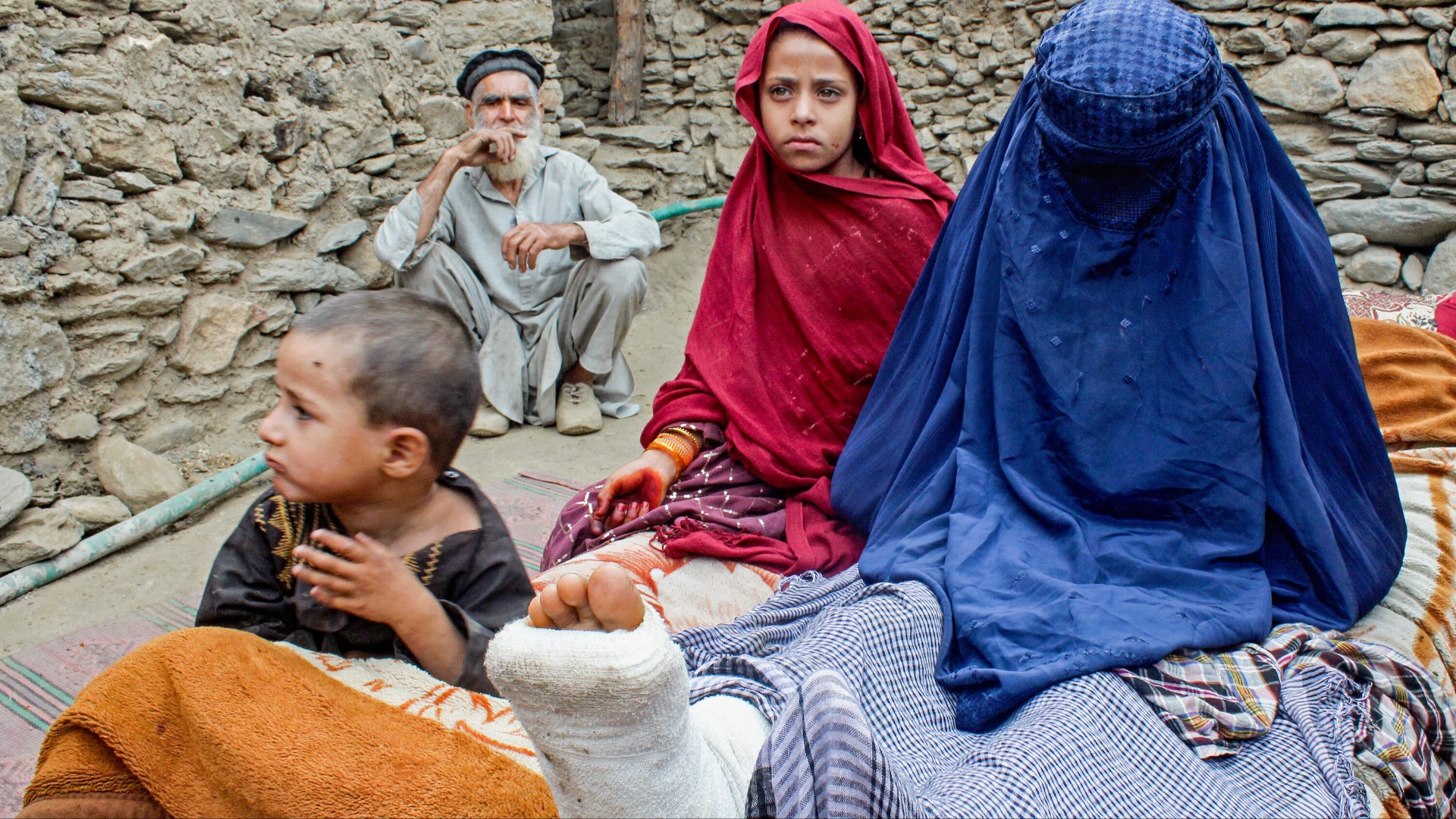
The United Nations has released a report from
the earthquake-affected areas in eastern Afghanistan, noting that women and
girls face challenges in meeting their needs due to traditional and cultural
barriers.
According to the UN report, in the affected
districts of Kunar, Laghman, and Nangarhar provinces, field visits, focus group
discussions with affected women and girls in Nurgal and Chawkay districts of
Kunar and Dara-e-Noor district of Nangarhar, as well as information and reports
received from humanitarian organizations and the Women’s Advisory Group for the
Humanitarian Country Team, were conducted.
The recent 6.3-magnitude earthquake struck
eastern Afghanistan, with its epicenter in Kama district of Nangarhar province,
near the Pakistan border. Its shallow depth of 8 to 10 kilometers intensified
the tremors in Kunar, Laghman, Nangarhar, and Nuristan, causing extensive
damage to homes and infrastructure. The heaviest destruction was reported in
Nurgal and Chawkay districts of Kunar and Dara-e-Noor district of Nangarhar.
Landslides and blocked roads left many areas accessible only on foot, delaying
search and rescue operations.
After the main quake, additional tremors
occurred. Continuous aftershocks every 20 to 30 minutes heightened
psychological stress, instability, and challenges in accessing affected areas.
Joint assessments by the UN and NGOs up to September 9 indicated 1,978 deaths,
3,477 injuries, 7,537 houses destroyed, and 47,771 people affected.
Most affected communities are located in
remote, hard-to-reach areas, difficult to access even under normal conditions.
Damage from successive earthquakes, landslides, and road blockages has rendered
many routes impassable.
The lack of mobile network coverage has
disrupted information exchange and coordination of aid. Many people relocated
to lower and flatter valley areas, walking for hours to find safer places to
live and gathering in informal settlements.
The report warns that women and girls, due to
limited access and cultural challenges, are more vulnerable during humanitarian
crises and require special attention for rapid and safe relief efforts.





