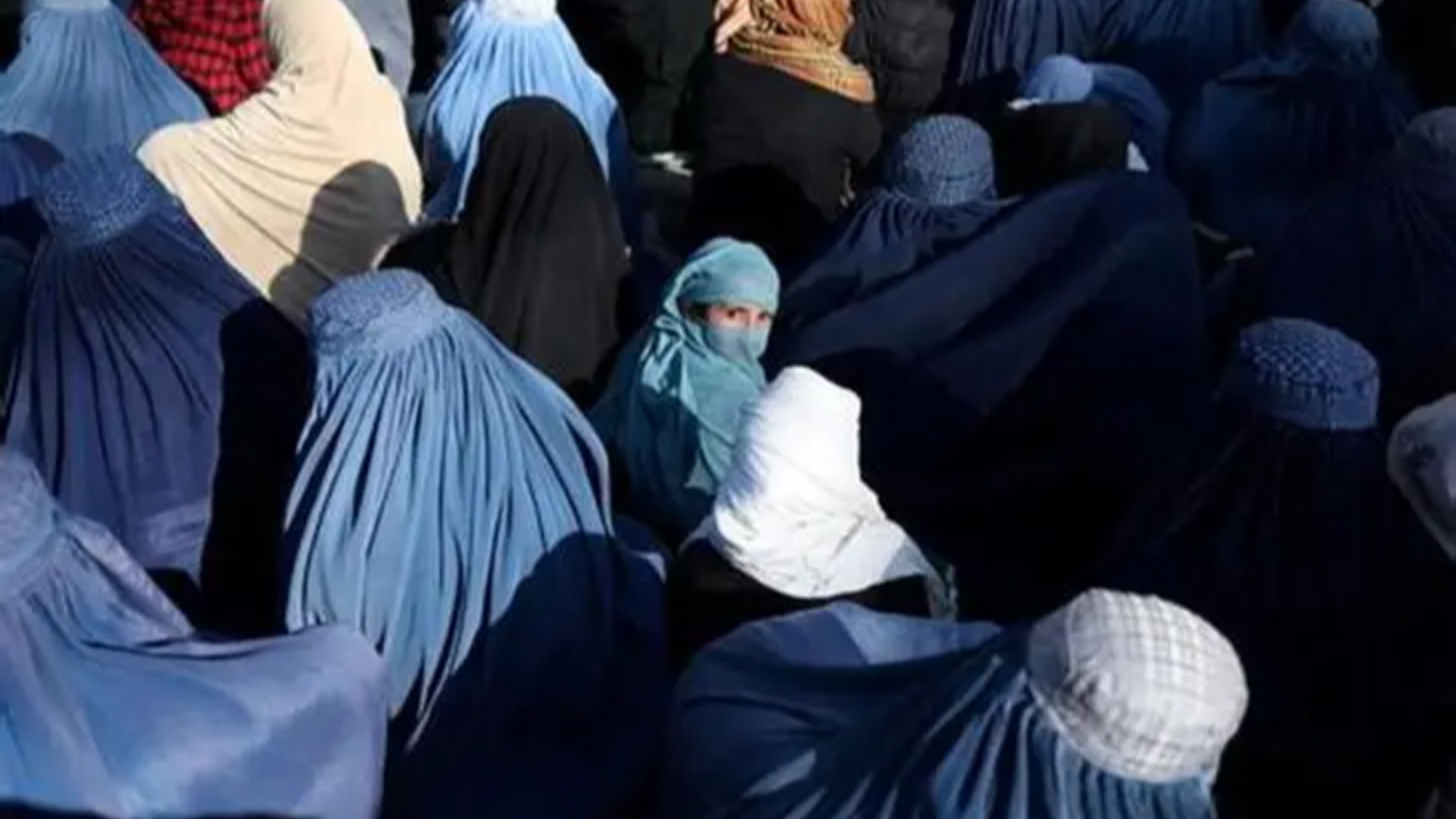
The Kabul Tribune (KT) — Afghanistan’s fragile health system is struggling under the weight of noncommunicable diseases (NCDs) and untreated mental health conditions, with women bearing much of the burden, the World Health Organization said in a new report.
Heart disease, diabetes, cancer and chronic lung conditions already account for 43% of deaths in the country and are projected to rise above 60% by 2030, according to WHO. Cardiovascular disease alone kills more than 40,000 Afghans each year, placing the country among those with the world’s highest age-adjusted death rates.
Cancer is another pressing concern, especially among women. Breast and cervical cancers rank among the top three in Afghanistan, but most patients seek medical help only in advanced stages when treatment is far less effective.
The report also highlights a growing mental health emergency. Years of conflict, natural disasters and displacement have left one in five Afghans living with a mental health condition. WHO says more than half of families returning from Iran and Pakistan last year suffered from anxiety, depression or post-traumatic stress. Yet provincial hospitals and primary health centers largely lack mental health services.
For families like that of Rahimi, from eastern Afghanistan, the crisis is personal. An earthquake destroyed his home, disrupted his wife’s diabetes care and left his teenage daughters battling fear and anxiety. “We survive the disasters, but the illness and worry never leave,” he said.
Afghanistan’s Ministry of Public Health approved a new national health policy in March prioritizing NCD prevention, cancer services and mental health. WHO says it is working with Afghan authorities to expand access to care, raise awareness and support vulnerable groups, particularly women and children.
“Across Afghanistan, millions face the daily burden of chronic illness and mental health challenges, placing enormous pressure on an already fragile health system,” said Dr. Edwin Ceniza Salvador, WHO’s representative in Afghanistan. “This highlights the shared responsibility of WHO, health authorities and donors to expand access to care and ensure quality support reaches those who need it most.”
WHO stressed that unlike earthquakes or epidemics, chronic illness and mental health conditions do not make headlines but affect every province in Afghanistan.





