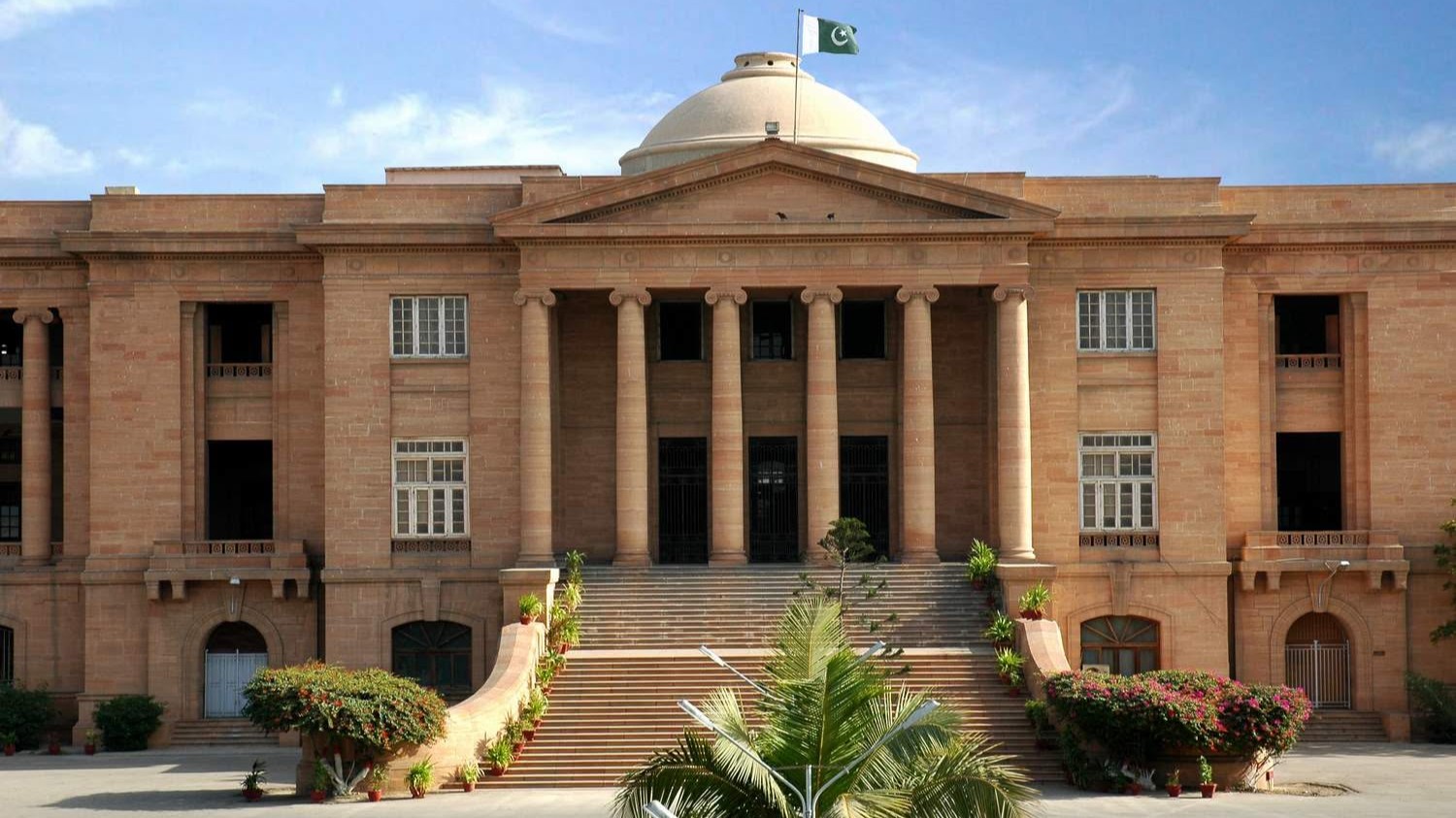
The Kabul Tribune (KT) — The Sindh High Court on Monday suspended the Pakistan Medical and Dental Council’s directive requiring Afghan medical students enrolled in Pakistani colleges to return to Afghanistan, barring authorities from taking coercive action against the petitioners until the next hearing on Sept. 29, Dawn reported.
A two-judge bench headed by Justice Adnan-ul-Karim Memon issued the order after three Afghan medical students challenged the PMDC notification, arguing that the council had acted beyond its legal authority.
The PMDC issued the directive on Sept. 1, ordering Afghan medical students enrolled in Pakistani medical and dental colleges to return to Afghanistan. The directive also barred medical and dental institutions from admitting or placing Afghan students during the current academic session.
The Sindh High Court has issued notices to the state, Pakistan’s Interior Ministry, PMDC, Higher Education Commission, Dow University of Health Sciences, Sindh police authorities and other respondents, asking them to appear or respond at the Sept. 29 hearing. The court said the disputed directives would remain suspended in the meantime and no coercive action could be taken against the three petitioners.
The three students are enrolled at Dow University of Health Sciences under the Allama Mohammad Iqbal Scholarship Programme and are expected to graduate in April 2027. According to their petition, they hold valid Pakistani visas on their Afghan passports covering the period of their studies.
The students argued that the PMDC’s action violated several provisions of Pakistan’s Constitution, including protections relating to equality, life and liberty, dignity, due process and freedom from discrimination.
The petition also raised concerns about the impact of returning female Afghan students to Afghanistan, where women and girls face severe restrictions on access to education. The students argued that forced return could jeopardize their education and professional careers.
They asked the court to declare the PMDC directives and related notices issued by Dow University unconstitutional and without legal authority.
The petitioners also asked the court to allow them to continue their MBBS studies, attend clinical rotations, live in university hostels and sit their examinations without interference.
PMDC order has faced challenges elsewhere
The Sindh case follows a separate challenge before the Lahore High Court, which on Friday also suspended the operation of PMDC directives requiring Afghan medical students to return to Afghanistan.
Justice Khalid Ishaq ordered that the directives issued on July 31 and Sept. 1 remain suspended to the extent of the petitioners and directed that 13 Afghan students in Lahore be allowed to continue their studies, take examinations and return to their hostels. The court fixed Sept. 18 for the next hearing.
The Lahore case was brought by 13 Afghan students, including seven women and six men, studying at institutions including King Edward Medical University, Shaikh Khalifa Bin Zayed Al Nahyan Medical and Dental College and the Services Institute of Medical Sciences.
Pakistan’s Foreign Office has said there is no blanket government decision to return all Afghan students and that Afghan students enrolled in valid degree programs with valid visas can remain in Pakistan and complete their education. The PMDC, however, has said its Sept. 1 directive requires previously enrolled Afghan medical and dental students to return.
The legal challenges come amid deteriorating relations between Pakistan and Afghanistan and a broader Pakistani campaign to enforce immigration rules on Afghan nationals without valid visas.





