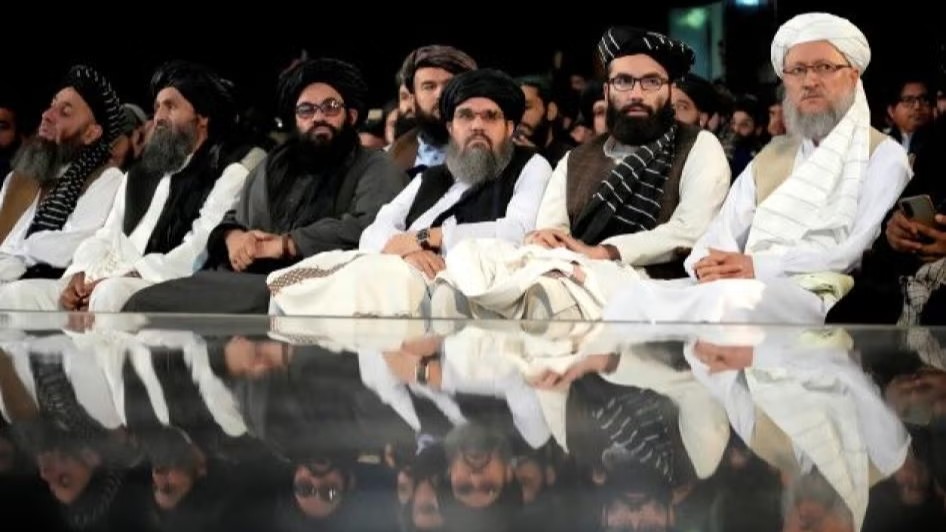
The Kabul Tribune (KT) — The Taliban have brought a degree of security and stability to Afghanistan since returning to power five years ago, but their restrictions on women and girls, economic policies and growing tensions with Pakistan are creating serious challenges for the country, the International Crisis Group said in a new analysis.
The Brussels-based conflict prevention organization said the
Taliban’s takeover in August 2021 ended decades of war and significantly
reduced violence across Afghanistan. The group has also consolidated control
over the country, reduced opium production and increased government revenue through
customs.
But the Taliban’s policies have left Afghanistan
increasingly isolated internationally and contributed to worsening economic and
humanitarian conditions, Crisis Group said.
The assessment, published as Afghanistan marks five years
since the fall of Kabul, says the Taliban now face challenges that are largely
the result of their own policies.
Women’s Rights Remain a Major Obstacle
Crisis Group said the Taliban’s restrictions on women and
girls remain the biggest obstacle to improved relations with the international
community.
Afghanistan is the only country in the world where girls are
barred from formal education beyond primary school, according to the
organization. Women have also faced restrictions on employment, travel,
movement and participation in public life.
The organization said the restrictions are damaging
Afghanistan’s future by limiting the education and economic participation of a
large part of the population.
Crisis Group said the Taliban leadership has shown little
willingness to change course, despite widespread criticism from Western
governments, Muslim-majority countries and Islamic scholars.
The organization said most governments would likely improve
relations with the Taliban if the group changed its policies toward women and girls.
Taliban Remain Internationally Isolated
The Taliban have also resisted international calls for a
more representative government, instead appointing members of their own
movement to senior positions, Crisis Group said.
Many senior Taliban officials remain under U.N. sanctions,
while discussions over Afghanistan’s frozen assets have made little progress.
Western governments continue to engage with Taliban
officials on issues such as security, migration and humanitarian assistance,
but many have limited their relations to technical-level contacts.
Regional powers have taken a more pragmatic approach.
Crisis Group said countries including China, Russia, Iran,
India and Türkiye have been more willing to engage with the Taliban because
they view a stable Afghanistan as preferable to renewed conflict.
Russia has gone further and formally recognized the Taliban
government, according to the organization.
Pakistan Tensions Pose Growing Threat
Crisis Group identified the Taliban’s deteriorating
relationship with Pakistan as the most immediate challenge to Afghanistan’s
foreign relations.
Pakistan accuses the Taliban of allowing Tehrik-e-Taliban
Pakistan, or TTP, militants to operate from Afghan territory. Islamabad says
attacks by the Pakistani militant group have increased since the Taliban
returned to power.
Pakistan has responded with economic restrictions,
disruptions to Afghan trade and the forced repatriation of large numbers of
Afghan refugees, Crisis Group said.
The two countries have also exchanged cross-border attacks,
raising concerns that the confrontation could develop into a broader conflict.
The dispute has already damaged Afghanistan’s trade and
transit ambitions.
The Taliban had promoted Afghanistan as a regional
transportation and trade hub connecting Central and South Asia. But the
deterioration in relations with Pakistan has disrupted important trade routes
and forced Afghan authorities to look increasingly toward China and Iran for
alternatives.
Crisis Group warned that continued escalation could have
consequences beyond the two countries, including the possibility of Pakistan
supporting Afghan opposition groups or the Taliban providing greater support to
the TTP.
Economic and Humanitarian Pressures
Afghanistan’s economic problems have been compounded by
disruptions in regional trade, natural disasters and declining international
aid, Crisis Group said.
The organization said millions of Afghans continue to face
serious humanitarian needs while international assistance has declined.
Global financial institutions have also remained reluctant
to expand their services in Afghanistan because of sanctions and concerns about
the risks of dealing with the Taliban government.
The private sector has shown some resilience, including
businesses run by women, but economic growth remains fragile, according to
Crisis Group.
The organization also highlighted the economic consequences
of the Taliban’s ban on poppy cultivation.
The ban has sharply reduced opium production but has created
difficulties for farmers who depended on the crop and have few alternative
sources of income.
Rising Tensions in Northern Afghanistan
Crisis Group also warned of growing tensions in northern
Afghanistan, particularly in Badakhshan province.
The region has seen disputes over poppy cultivation, mining
and control of local resources, while several armed groups opposed to the
Taliban remain active.
In July, a little-known armed group briefly seized a
district headquarters in Badakhshan before Taliban forces retook the area.
Crisis Group said the incident was significant because it
marked the first time since the Taliban returned to power that an armed
opposition group had taken control of an administrative center.
The organization said the incident does not currently pose a
serious threat to the Taliban’s hold on power, but it could encourage other
armed opposition groups.
Taliban Still Firmly in Control
Despite the challenges, Crisis Group said there is little
indication that the Taliban’s grip on power is under serious threat.
The group has largely suppressed armed opposition since
taking power and continues to control Afghanistan’s major population centers
and administrative institutions.
But Crisis Group said the Taliban’s ability to maintain
control should not be confused with the resolution of Afghanistan’s deeper
problems.
The organization said many Afghans continue to face economic
hardship and political exclusion, while the country remains isolated from much
of the international community.
As the Taliban enter their sixth year in power, Crisis Group
said they face a choice over whether to maintain their current policies or
adopt a more pragmatic approach to the country’s domestic and foreign
challenges.
Without a change in direction, the organization warned,
Afghanistan is likely to remain caught between greater security on one hand and
political isolation, economic hardship and regional instability on the other.





