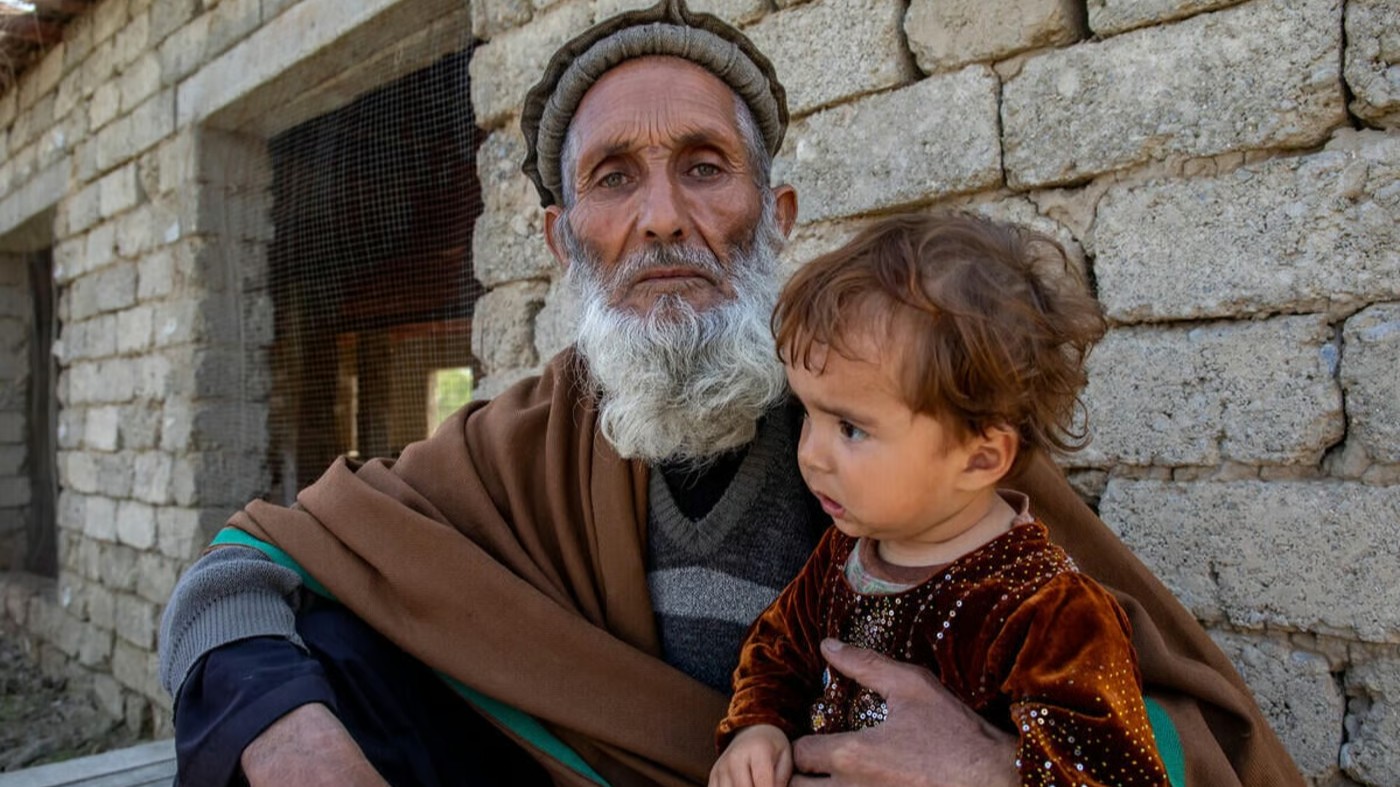
The Kabul Tribune (KT) — Afghanistan has become one of the world's most neglected humanitarian crises in 2026, with international aid funding falling to record lows despite nearly 22 million people requiring humanitarian assistance, the Norwegian Refugee Council warned.
In a statement, NRC Secretary General Jan Egeland said 2026
is a "make-or-break year" for millions of people affected by conflict
and humanitarian crises around the world, including Afghanistan.
According to the organization, only about one in every six
dollars needed for humanitarian operations in Afghanistan has been secured this
year, leaving millions of vulnerable people without adequate support. The NRC
attributed the sharp decline in funding in part to the end of U.S. humanitarian
assistance, noting that the United States had provided more than 40% of all aid
to Afghanistan through 2024.
The organization said the funding shortfall comes as 21.9
million Afghans require humanitarian assistance in 2026 and millions continue
returning from neighboring countries. It also cited data indicating that only 11%
of adult returnees have secured full-time employment after returning to
Afghanistan.
"This year, for the first time, Afghanistan features on
NRC's list of the world's most neglected crises," Egeland said.
"Families tell us the drop in aid has left them without a lifeline and
without access to even basic services. Donors must heed the warnings before
millions more fall into hunger and desperation."
The NRC also quoted Momina, a 45-year-old mother of six from
Nangarhar province, as saying her family's situation has deteriorated as humanitarian
assistance has declined and her husband has been unable to find regular work.
Globally, the NRC said humanitarian funding has reached
critically low levels. Of the $33.66 billion requested to assist 143.2 million
of the 252 million people in need worldwide this year, only 30.4% had been
funded as of June 24, according to data from the United Nations Office for the
Coordination of Humanitarian Affairs.
Egeland urged donor countries to allocate aid based on
humanitarian needs rather than geopolitical interests, warning that failure to
increase funding could result in widespread loss of life in crisis-affected
countries.