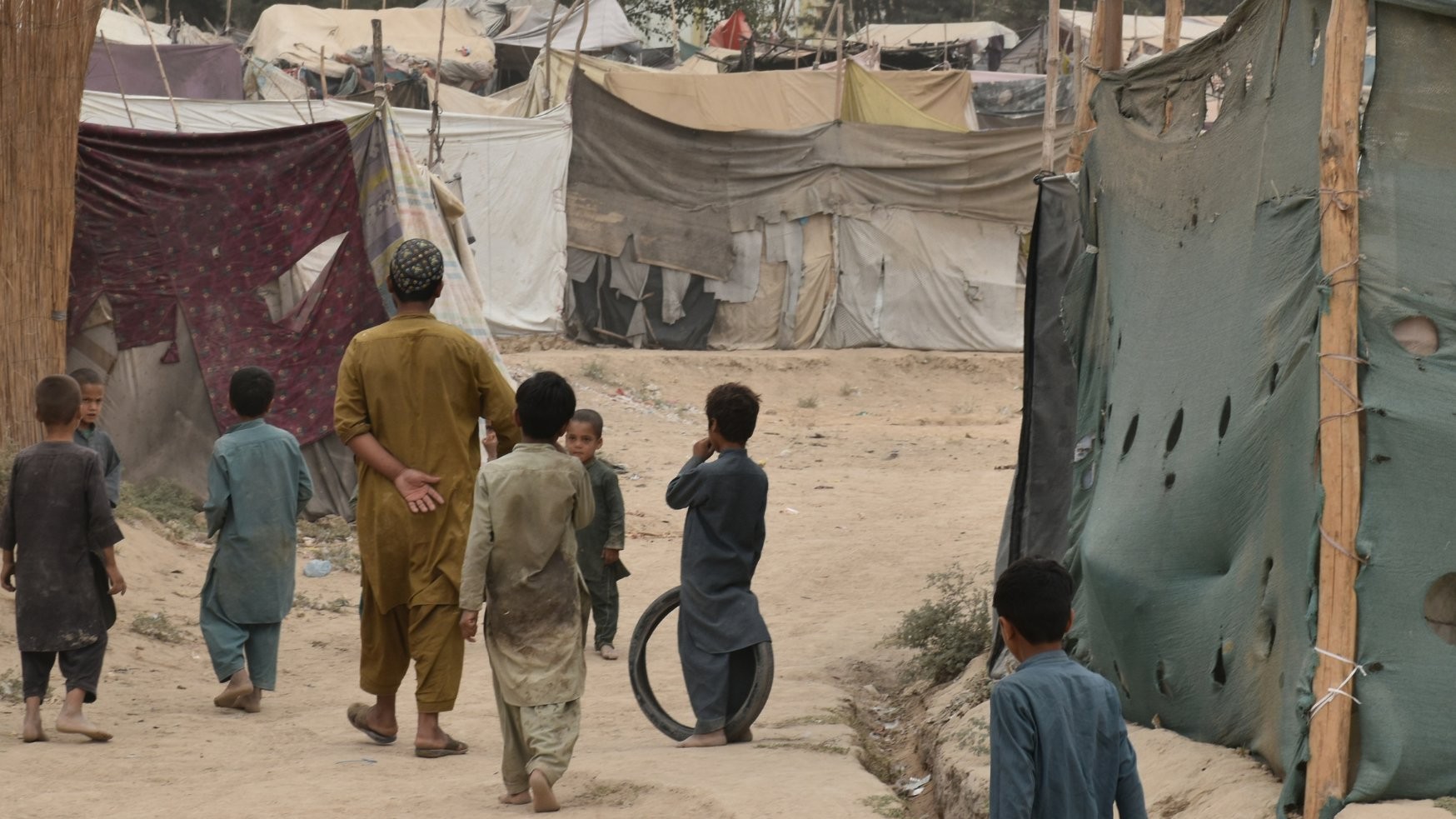
The Kabul Tribune (KT) — Nearly 65% of Afghanistan’s population lived in multidimensional poverty, with millions more vulnerable to deprivation, according to United Nations estimates, as a new global report found the number of people living in acute multidimensional poverty worldwide had risen for the first time since the index was launched in 2010.
The estimates for Afghanistan, based on household survey
data from 2022-2023, show that 64.9% of the population lived in
multidimensional poverty, while 39.1% experienced severe multidimensional
poverty. Another 19.9% were classified as vulnerable to poverty, according to
the United Nations Development Programme.
Among Afghans classified as poor, the average intensity of
deprivation was 55.5%. Education accounted for 42.5% of the country’s
multidimensional poverty, followed by living standards at 33.4% and health at
24.1%, the estimates showed.
A separate UNDP socioeconomic assessment published in May
2026 said about 28 million Afghans were unable to meet their basic needs in
2025. Population growth, declining international aid, climate-related shocks
and restrictions on women’s rights continued to weigh on livelihoods, the
assessment said.
Food insecurity and malnutrition have added to the hardship.
The Norwegian Refugee Council reported in October that nearly 19 million people
in Afghanistan, about 40% of the population, were expected to face acute hunger
in the coming months.
Citing the World Food Programme, the report also said 5.3
million women and children would need treatment for acute malnutrition over the
following year, amid sharp cuts in humanitarian funding.
Globally, the number of people living in acute
multidimensional poverty reached nearly 1.2 billion, an increase of 51.5
million compared with the previous update on a like-for-like basis, according
to the 2026 report by the UNDP and the Oxford Poverty and Human Development
Initiative, released Oct. 12.
Nearly 952 million people worldwide were also vulnerable to
multidimensional poverty, the report said.
Children under 18 accounted for about 617 million people
living in poverty, or 51.5% of the global total. About 83% of those
experiencing multidimensional poverty lived in rural areas.
Unlike measures based solely on income, the Multidimensional
Poverty Index tracks overlapping deprivations in health, education and living
standards.
The report cautioned that progress against poverty is not
guaranteed, particularly in countries affected by conflict, economic shocks and
humanitarian crises. It also noted improvements in some countries: Of the 89
countries with comparable trend data, 33 had reduced their multidimensional
poverty index value by half in fewer than 15 years.
The findings highlight the need for sustained efforts to
address overlapping forms of deprivation, particularly in countries facing
persistent economic and humanitarian challenges.




