The Kabul Tribune (KT)— Asylum applications by Afghans in Italy rose 77% in the first half of 2026 compared with the same period last year, as the country continued to attract migrants seeking protection amid changing asylum policies across Europe, according to a report by the Afghanistan Analysts Network.
The increase comes after 2,755 Afghans applied for asylum in
Italy in 2025. However, the share of Afghan applicants receiving positive
decisions fell to 82% that year, according to the report, written by
Afghanistan Analysts Network researcher Fabrizio Foschini.
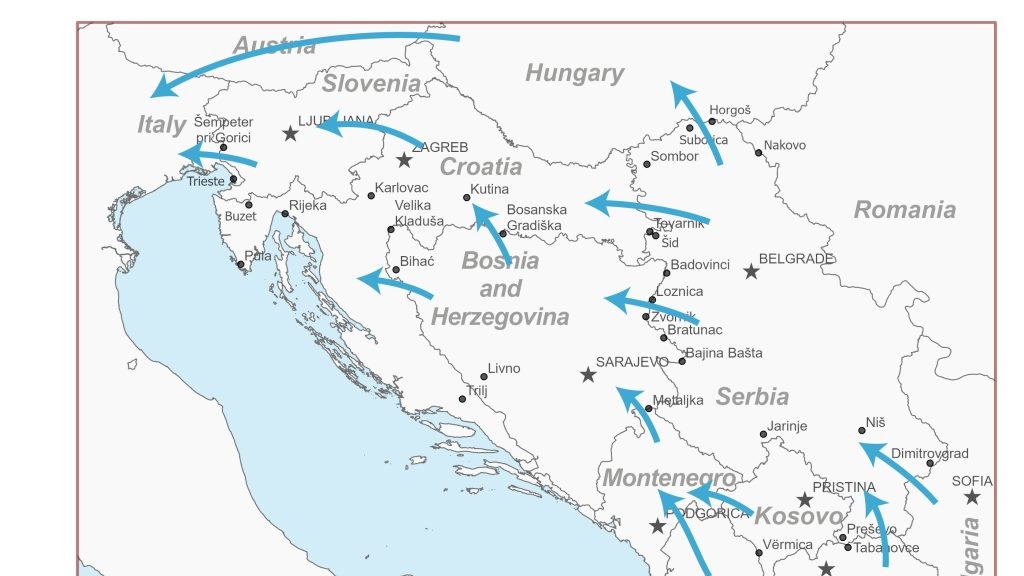
Italy has long served as both a destination and a transit
point for Afghans traveling to Europe. The northeastern city of Trieste, near
the Slovenian border, has become a major entry point along the Balkan Route,
which connects migrants traveling through southeastern Europe to the European
Union.
Nearly 30,000 Afghans spent time in Trieste between 2021 and
2026, either while traveling onward or seeking asylum, according to figures
from the International Rescue Committee cited in the report. The organization
registered 3,889 Afghans in the city in 2025, accounting for 40% of the
migrants it recorded there.
In the first eight months of 2026, the organization recorded
2,735 Afghan arrivals in Trieste, including 576 unaccompanied minors. The
report also cited a survey by the U.N. refugee agency in which 21% of 657
Afghans interviewed while traveling through the Balkans between January 2025
and July 2026 named Italy as their preferred destination, second only to
Germany. The survey did not establish how many intended to seek asylum and
remain in Italy.
Despite the increase in arrivals, Italy has struggled to
develop a large, established Afghan diaspora. An estimated 19,000 Afghans were
living in the country in 2025, up from fewer than 4,000 in 2011, according to a
migration survey cited by the report.
Foschini said many Afghans who obtain protection in Italy
eventually move to other European countries, seeking better employment
opportunities and higher wages. Italy’s job market for newly arrived migrants
is concentrated in seasonal and informal work, particularly in agriculture and
tourism, while family reunification can be difficult because of lengthy
procedures, costs and the closure of the Italian Embassy in Afghanistan.
Changes to asylum policies have also affected migrants’
decisions. The report said Italy began applying an accelerated border procedure
to some asylum applicants crossing from Slovenia in June 2026. The procedure
shortened the deadline for appeals to five days. Although the system was
intended to process certain applicants more quickly, some Afghans were also
subjected to it.
In August and September, Italian courts upheld appeals
against the procedure, ruling that the Italian-Slovenian border was not an
external Schengen border. Authorities subsequently resumed the ordinary
procedure for some applications, the report said.
The report concluded that Italy is likely to remain an
important gateway for Afghans seeking protection in Europe, although whether
migrants settle in the country or move elsewhere will depend on asylum
procedures, access to accommodation and employment, and the prospects of
reuniting with family members.




