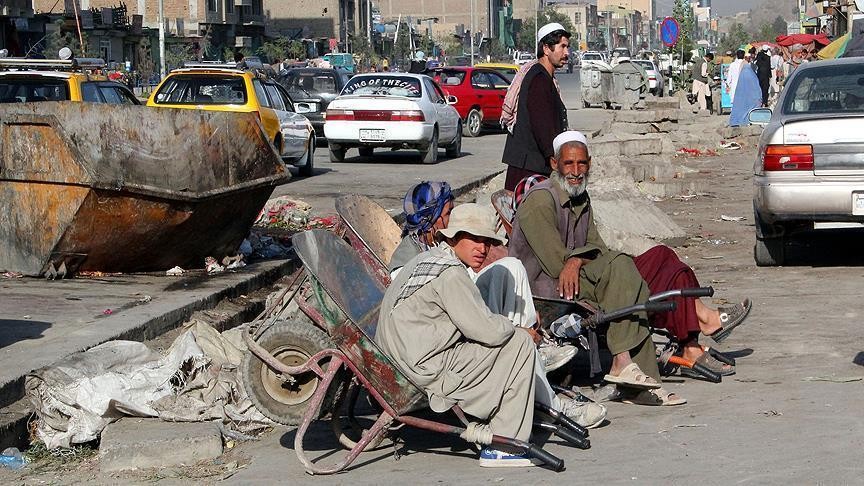
The Kabul Tribune (KT) — Afghanistan’s economy is facing mounting pressures from returning migrants, prolonged border closures with Pakistan and weak investment, despite modest growth supported by low inflation and stronger domestic revenues, according to a new World Bank report.
In its Afghanistan Economic Monitor for December 2025, the
World Bank said per capita GDP is projected to fall by 4 percent in fiscal year
2025, leaving poverty widespread across the country. The report noted that
while low inflation and improved revenue collection have helped stabilize the
economy, limited investment continues to undermine productivity and long-term
growth.
The report highlighted a sharp rise in prices in November
2025, with headline inflation increasing to 4.7 percent year-on-year, up from 3
percent in October. Food prices rose significantly, driven by increases in
fruits, cereals and bread, while non-food inflation was fueled by higher
housing and health costs following border closures and trade rerouting away
from Pakistan
The World Bank said the Afghani strengthened modestly in
December, appreciating 0.4 percent month-on-month against the U.S. dollar,
supported by market stability and relatively lower inflation compared to
trading partners. However, it warned that a slight rise in the real effective
exchange rate could gradually erode price competitiveness.
Trade disruptions remained a major concern, with the report
noting that Afghanistan’s trade deficit widened to $1.02 billion in December
2025, driven by falling exports and resilient imports. Exports dropped 25
percent month-on-month, largely due to Pakistan’s border closure, while imports
stayed strong amid rising domestic demand linked to migrant returns.
Despite external pressures, domestic revenue collection
showed resilience. The World Bank reported that revenues rose 18 percent
year-on-year in December 2025, reaching 24.1 billion Afghanis, supported by
improved tax enforcement and the reorientation of trade toward alternative
routes .
The report warned that Afghanistan’s growing reliance on
food exports, widening trade imbalances and continued exposure to regional
shocks are increasing economic vulnerability, underscoring the need for
sustained policy support to protect livelihoods and stabilize the economy





