The Kabul Tribune (KT) — Years of war, political instability, and prolonged crises have left Afghanistan with a fragile economic foundation, deepening poverty and unemployment and contributing to a rise in crime, residents and civil society activists in the southern province of Kandahar say.
Decades of conflict have not only destroyed infrastructure
but also severely damaged the labor market, trade, agriculture, and sources of
household income. As a result, many Afghan families have lived for years under
the pressure of poverty, joblessness, and economic insecurity.
Following recent political changes, residents say daily life
has become even more difficult. Government institutions weakened, thousands of
employees lost their jobs, the banking system faced severe restrictions, and
broad limits on economic activity took effect, further squeezing household
incomes.
In the past two years, the suspension and sharp reduction of
international humanitarian and development assistance—particularly by the
United States and other donors—has cast another shadow over people’s lives.
Such aid had long been a crucial lifeline for poor families, but funding has
declined significantly.
International aid organizations say one of the main reasons
for the reduction is restrictions imposed by the Taliban on women’s work in
humanitarian organizations, as well as the failure to meet standards donors
consider essential for transparency and implementation. As a result, many
international organizations have scaled back or suspended projects, directly
affecting ordinary people.
Kandahar, long regarded as a key province for trade,
agriculture, and markets, has been hit hard. Residents say the worsening
economy has increased despair, poverty, and unemployment, creating conditions
that fuel criminal activity.
“When people cannot meet their basic needs, it creates an
environment where crime increases,” residents said.
Locals report a rise in thefts and other criminal incidents
in recent months, many of which they link directly to economic hardship and
poverty.
Every morning, dozens of young and middle-aged men gather
around Shaheedano Chowk in Kandahar city, hoping to find daily labor. By day’s
end, most return home empty-handed, with only a few securing work.
One of them is Ahmadullah, 30, who supports a family of 10.
He said jobs that were once available have largely disappeared.
“Days pass when we wait from morning until evening and find
nothing,” he said, adding that unemployment has damaged not only his family’s
finances but also their mental well-being.
“Before, it was rare to go home empty-handed,” Ahmadullah
told The Kabul Tribune. “Now there are weeks when no work is available for
several days in a row. We leave home with hope in the morning and return
disappointed at night.”
Alongside unskilled laborers, many educated young people
also wait for work in the area, forced by unemployment to seek daily wages,
often without success.
Another Kandahar resident, Obaidullah, who lost his
government job last year during staff reductions by the Taliban, said his
family has struggled ever since.
“Some days, I can only provide one meal for my family of
eight,” he said, adding that he is willing to do any kind of work, even
physically demanding labor, to survive.
“When I lost my job, my whole life changed,” he said. “I
don’t care what kind of work it is anymore. I just want to feed my children and
not depend on others.”
Civil society activists in Kandahar say economic hardship
has not only worsened living conditions but also contributed directly to rising
crime.
“Poverty, unemployment, and lack of income expose people to
severe psychological and social pressure, which in turn increases crime,” said
activist Nasir Ahmad Arghand.
He said criminal incidents have increased across different
parts of Kandahar city and are closely linked to economic distress.
“When someone loses the ability to meet their family’s
needs, they face immense mental pressure,” Arghand told The Kabul Tribune.
“Unfortunately, this pushes some people to a breaking point.”
While the Taliban claim security has improved, Arghand said
reports of theft, extortion, and other crimes continue to surface daily, many
committed in search of money. He added that current economic policies have
failed to reduce poverty and unemployment.
“If people’s economic conditions remain this bad, market
activity will weaken further and crime will continue to rise, posing a serious
threat to society,” he said.
Another resident, Haji Aminullah, 54, said his son was
unable to find stable employment after completing higher education. The young
man later lost a low-paying job at a private education center and remained
unemployed for a long period.
“My son tried very hard to find work, but every door was
closed,” Haji Aminullah told The Kabul Tribune. “The pressure was heavy on him,
and we were unable to address his problems in time.”
Gul Mohammad, a drugstore owner in Kandahar, said his son
was abducted by unknown individuals several months ago and released only after
the family paid 300,000 afghanis.
“The situation has made all traders extremely worried,” he
said. “There may be physical security, but in reality nothing feels safe.
Businesspeople live in fear.”
A Kabul Tribune correspondent in Kandahar also spoke with a
man previously jailed on theft charges, identified here by the pseudonym Asmatullah.
He said economic hardship pushed him toward crime and that stable employment
would prevent reoffending.
“If the Taliban government provided job opportunities, I
would never return to theft,” he said.
Provincial officials in Kandahar say several reconstruction
projects are underway, providing employment for hundreds of people. However,
complaints about rising unemployment are widespread not only in Kandahar but
across much of Afghanistan.
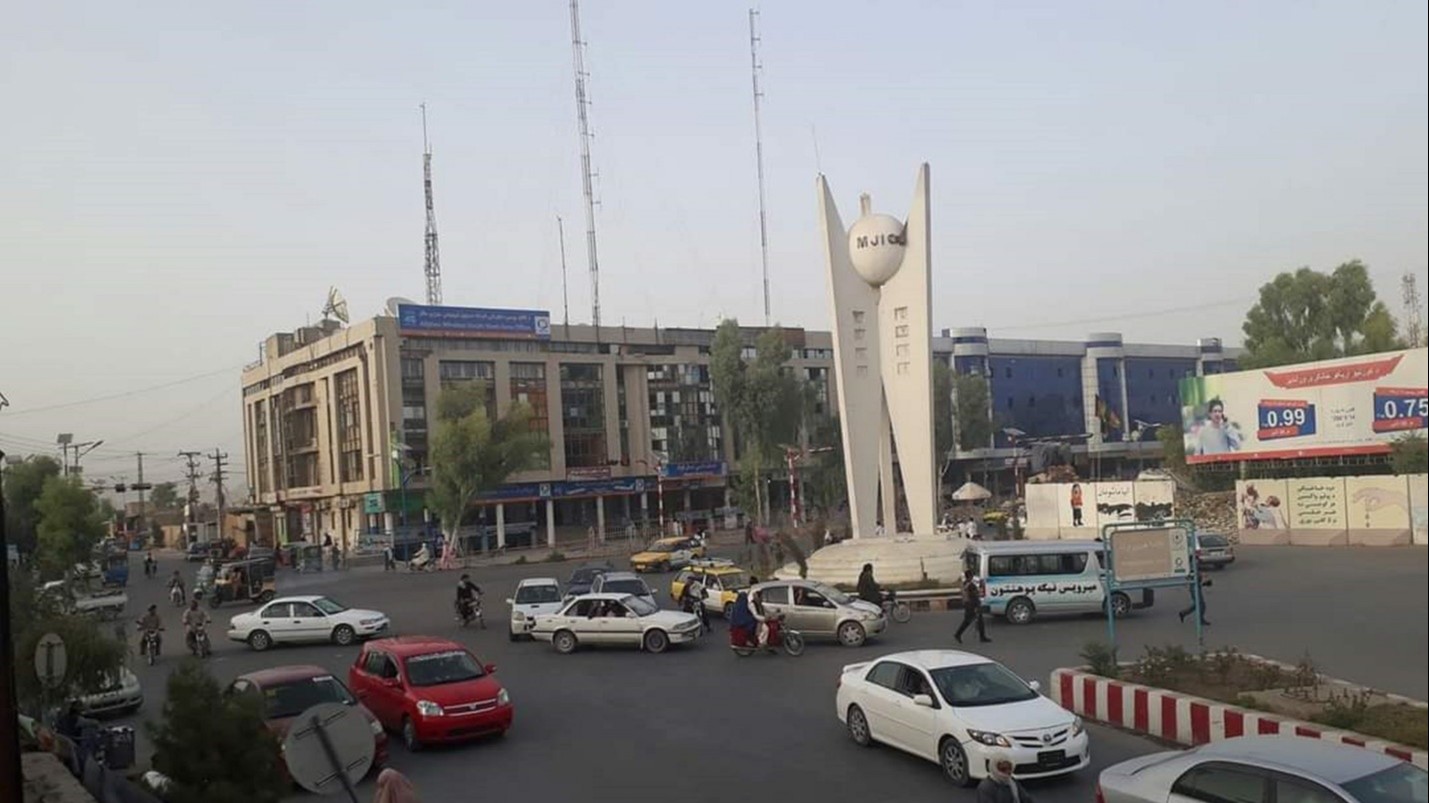
په کندهار ولايت کې مدد چوک
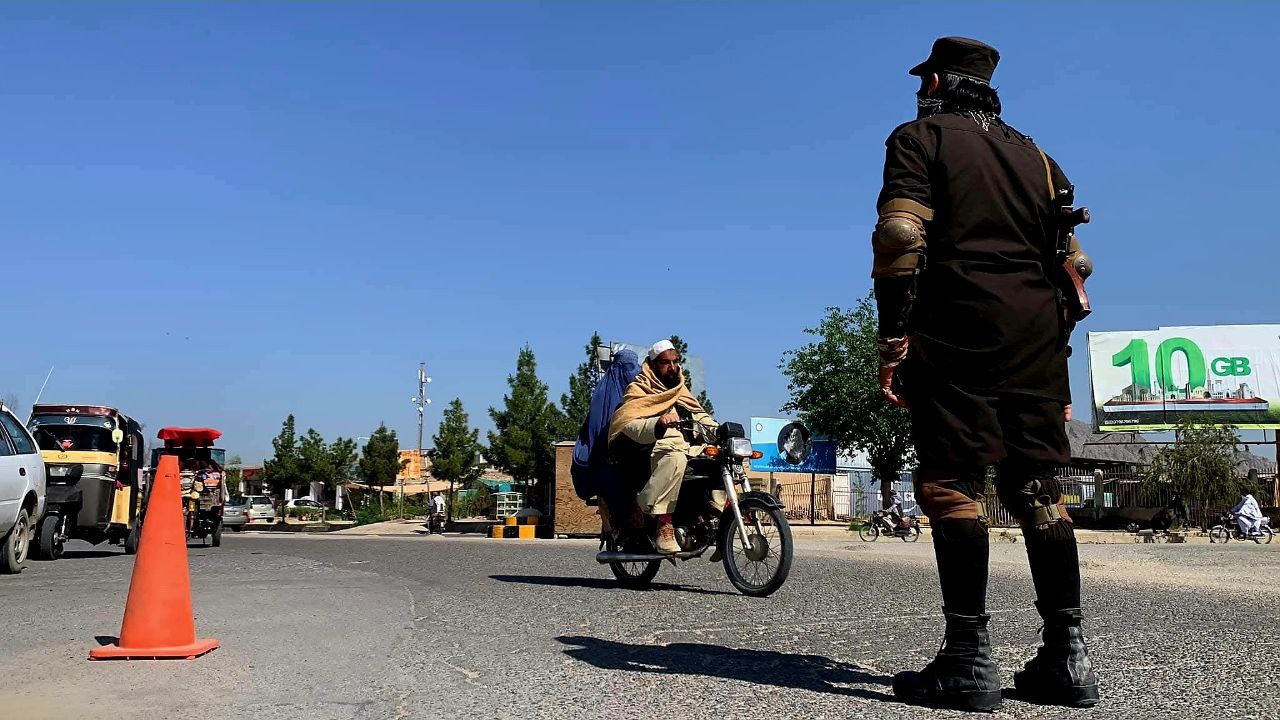
Crime Prevention Police by the Police Headquarters in Kandahar Province
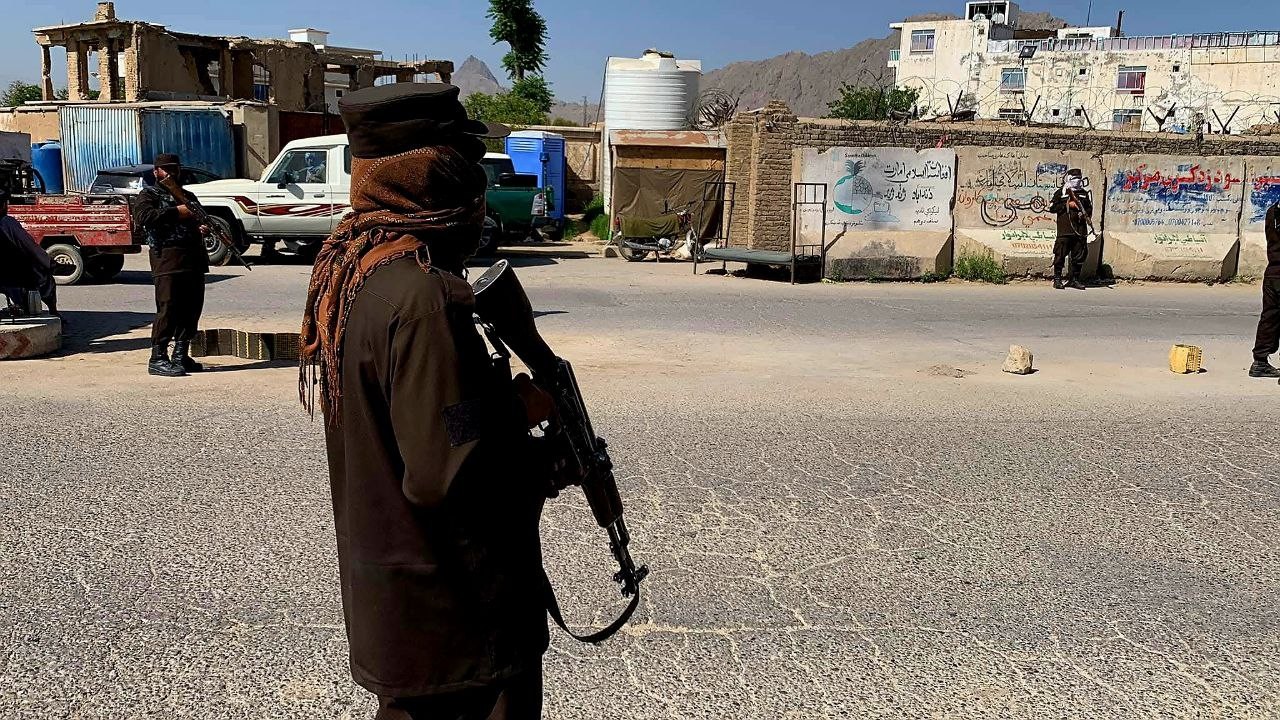
Crime Prevention Police by the Police Headquarters in Kandahar Province
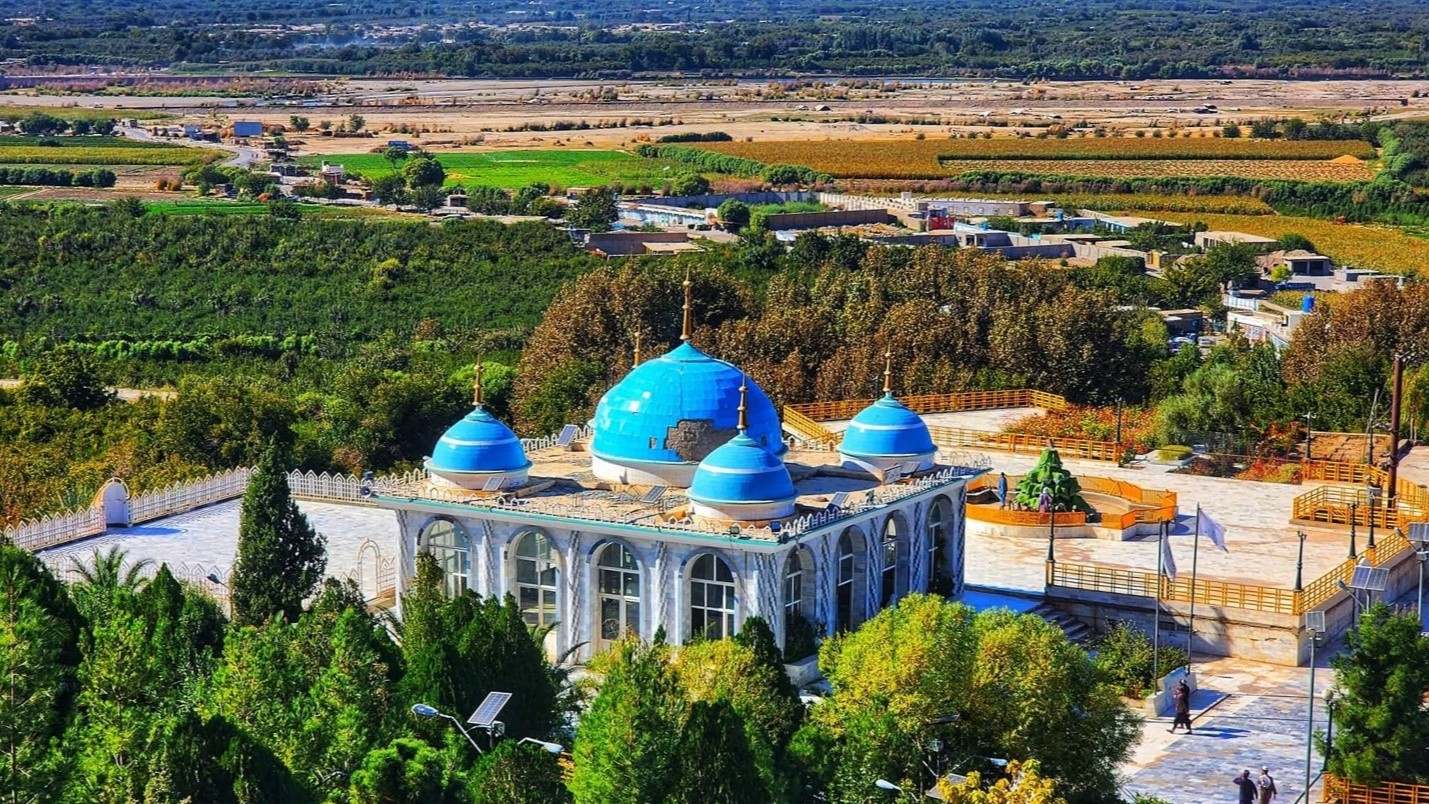
Baba Sahib area in Kandahar province
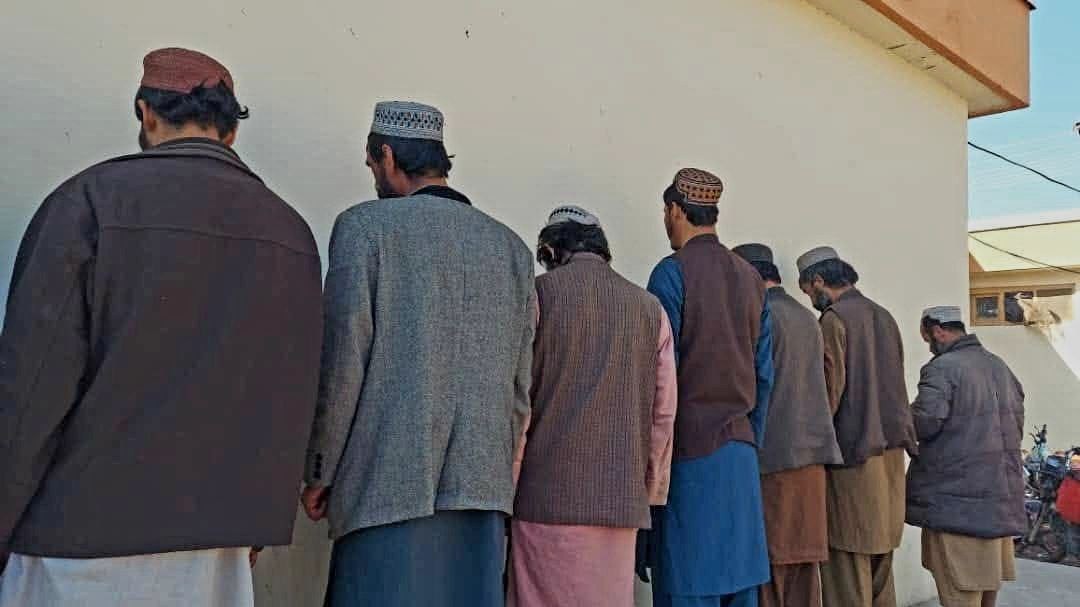
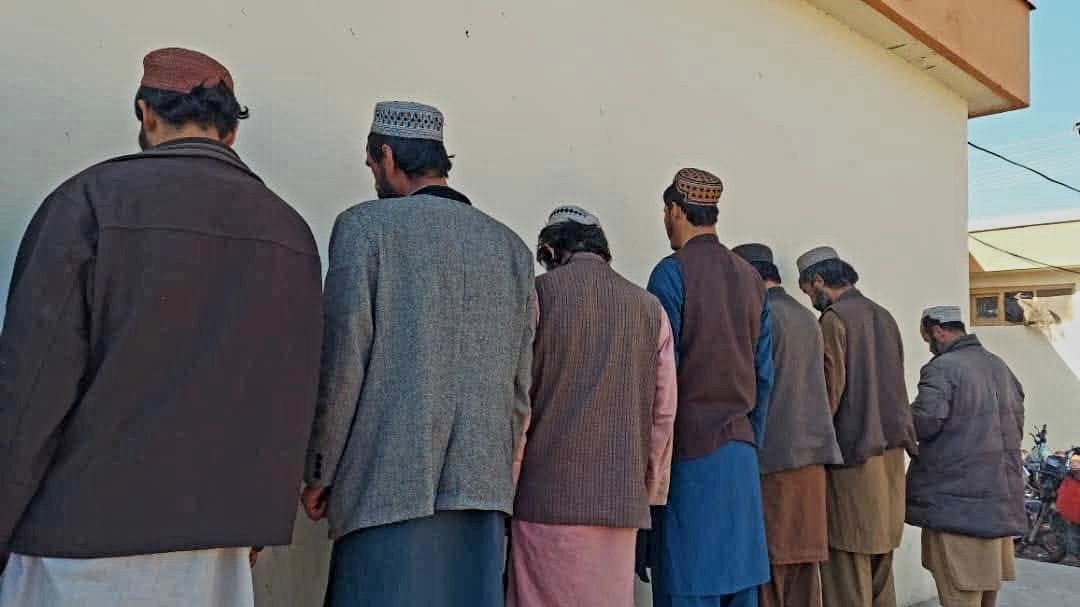
This photo was taken from people involved in criminal activities at the Kandahar Police Headquarters.





