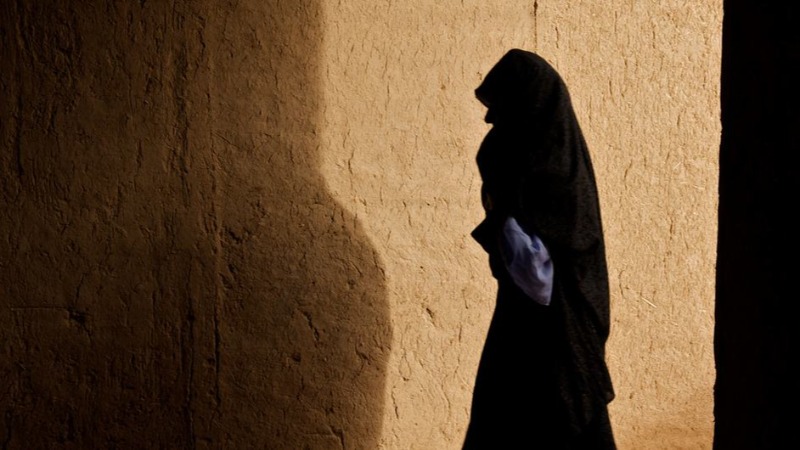
The Kabul Tribune (KT) — The United Nations Assistance Mission in Afghanistan (UNAMA) marked the 80th anniversary of the founding of the United Nations on Friday by highlighting the deteriorating situation of women and girls in Afghanistan and calling for renewed international solidarity to address the country’s worsening humanitarian crisis.
UNAMA said that restrictions imposed by the Taliban on
women’s education, employment, and participation in public life continue to
erode basic rights and threaten Afghanistan’s future. “The situation of women
and girls under the de facto authorities continues to deteriorate,” the mission
said in a statement.
The UN mission warned that Afghanistan remains one of the
world’s most severe humanitarian crises, with more than two-thirds of the
population in need of assistance. Declining donor funding has made it
increasingly difficult to sustain life-saving aid and critical public services.
“This 80th anniversary reminds us of the power and necessity
of multilateralism and collective action. Afghanistan’s path to stability and
sustainable development cannot be walked alone,” said Georgette Gagnon, Deputy
Special Representative of the Secretary-General for Afghanistan and Officer in
Charge of UNAMA.
Gagnon stressed that regional cooperation, international
engagement, and dialogue are essential to supporting Afghanistan’s stability.
UNAMA noted that communities across the country face
additional pressure from the return of millions of displaced Afghans and from
the growing impacts of climate change — including droughts and floods — that
are worsening food insecurity.
Indrika Ratwatte, the UN’s Deputy Special Representative,
Resident, and Humanitarian Coordinator for Afghanistan, praised the resilience
of the Afghan people and humanitarian workers. “We call on the international
community to renew its support and solidarity,” Ratwatte said. “The United
Nations will continue to stand with the Afghan people — today, tomorrow, and
into the future.”
The statement reaffirmed the UN’s longstanding commitment to
peace, security, human rights, and sustainable development in Afghanistan,
emphasizing that the country’s recovery “cannot be achieved in isolation.”





