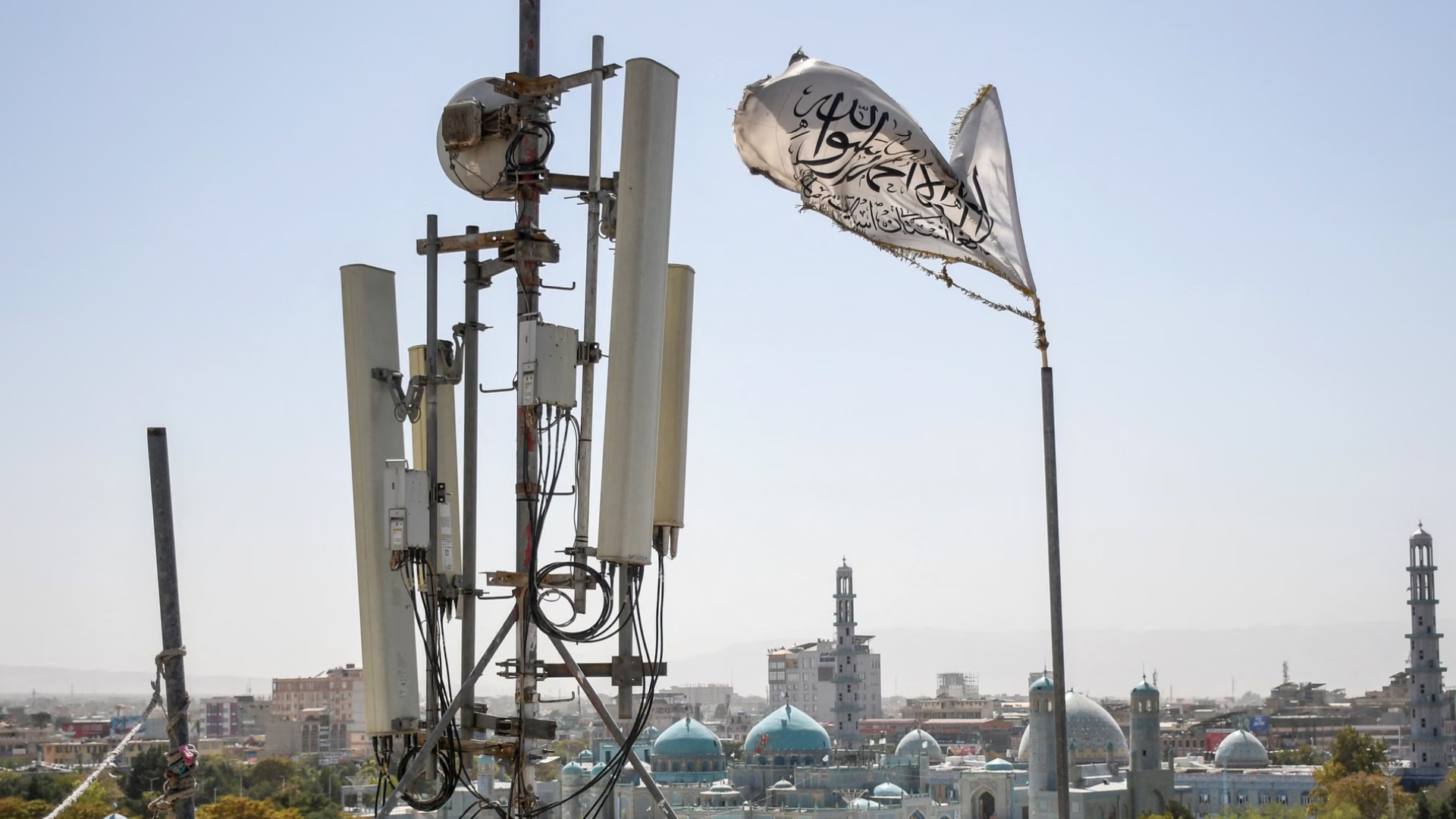
The Kabul Tribune (KT) — The Taliban’s nationwide telecommunications shutdown in late September severely disrupted healthcare, business, and humanitarian operations across Afghanistan, according to a new report by the U.N. Assistance Mission in Afghanistan (UNAMA).
The report, released this week, draws on more than 100
interviews conducted by UNAMA’s Human Rights Service following a 48-hour
blackout that began on Sept. 29 and lasted until Oct. 1. The outage cut off
access to the internet, mobile phone calls, and text messaging across the
country.
UNAMA said the shutdown delayed emergency medical care,
hindered communication among families, deepened existing restrictions on women
and girls, and severely disrupted banking and humanitarian aid delivery that
rely on online systems.
The report said the blackout followed a series of regional
internet suspensions that began in mid-September, initially affecting the
northern province of Balkh. The de facto authorities there announced the
measure was ordered “to prevent vice,” before extending it to at least 10 other
provinces including Kandahar, Kunduz, Herat, and Helmand.
While fibre optic connections were later partially restored
in some areas — allowing government offices, banks, and international
organizations limited access — the nationwide shutdown came without public
warning.
No official explanation has been provided for the
disruptions. Taliban spokesperson Zabihullah Mujahid denied an Associated Press
report claiming the shutdown was linked to infrastructure repairs. Media
outlets later quoted a Taliban official saying service was restored on the
order of the group’s prime minister.
In a subsequent interview with Sky News, Mujahid said the
Taliban had “not received any official communication from the ministry of
telecommunications” about the shutdown and could not comment on the matter.





