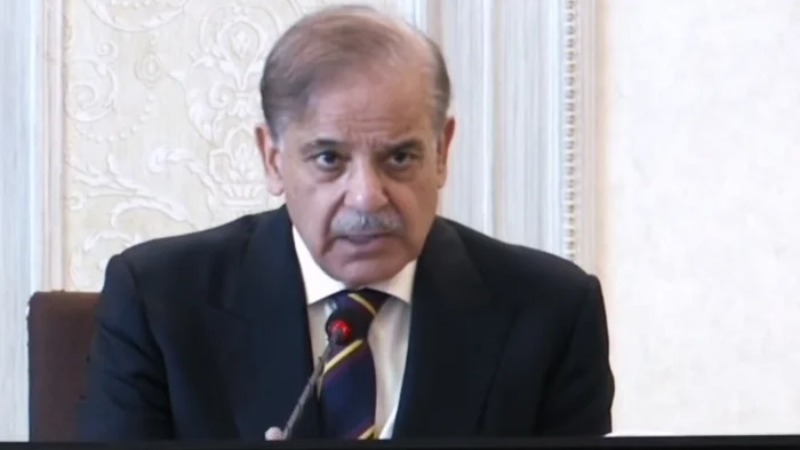
The Kabul Tribune (KT) — Pakistan Prime Minister Shehbaz Sharif on Friday reaffirmed his government’s commitment to advancing key regional connectivity projects, including the Trans-Afghan Railway and the Islamabad–Tehran–Istanbul Corridor, saying enhanced transport and trade links would drive economic growth across South and Central Asia.
Speaking at the closing session of the Regional Transport
Ministers Conference 2025 in Islamabad, Sharif said regional collaboration in
transport infrastructure was vital for unlocking new trade routes and
strengthening economic integration.
“Changes are taking place in the global transport and
connectivity systems, and our region remains a key axis of connectivity under
the Belt and Road Initiative,” Sharif said. “Pakistan is entering the second
phase of the China–Pakistan Economic Corridor (CPEC), which will further
connect economies, boost trade, and create shared prosperity.”
The prime minister highlighted Pakistan’s strategic position
as a bridge between South, Central, and West Asia, noting that Gwadar Port and
Karachi’s long coastline form integral components of the Maritime Silk Road, a
major element of China’s Belt and Road Initiative.
Sharif emphasized that beyond physical infrastructure,
digital connectivity and youth empowerment are central to Pakistan’s future
growth. “Today’s age is defined by data and technological integration,” he
said. “We are investing in digital infrastructure and aligning education and
training with technological trends to create a workforce capable of driving future
innovation.”
The conference brought together regional transport ministers
and officials to discuss strengthening cooperation, modernizing transport
corridors, and expanding digital and logistical networks across the region.





