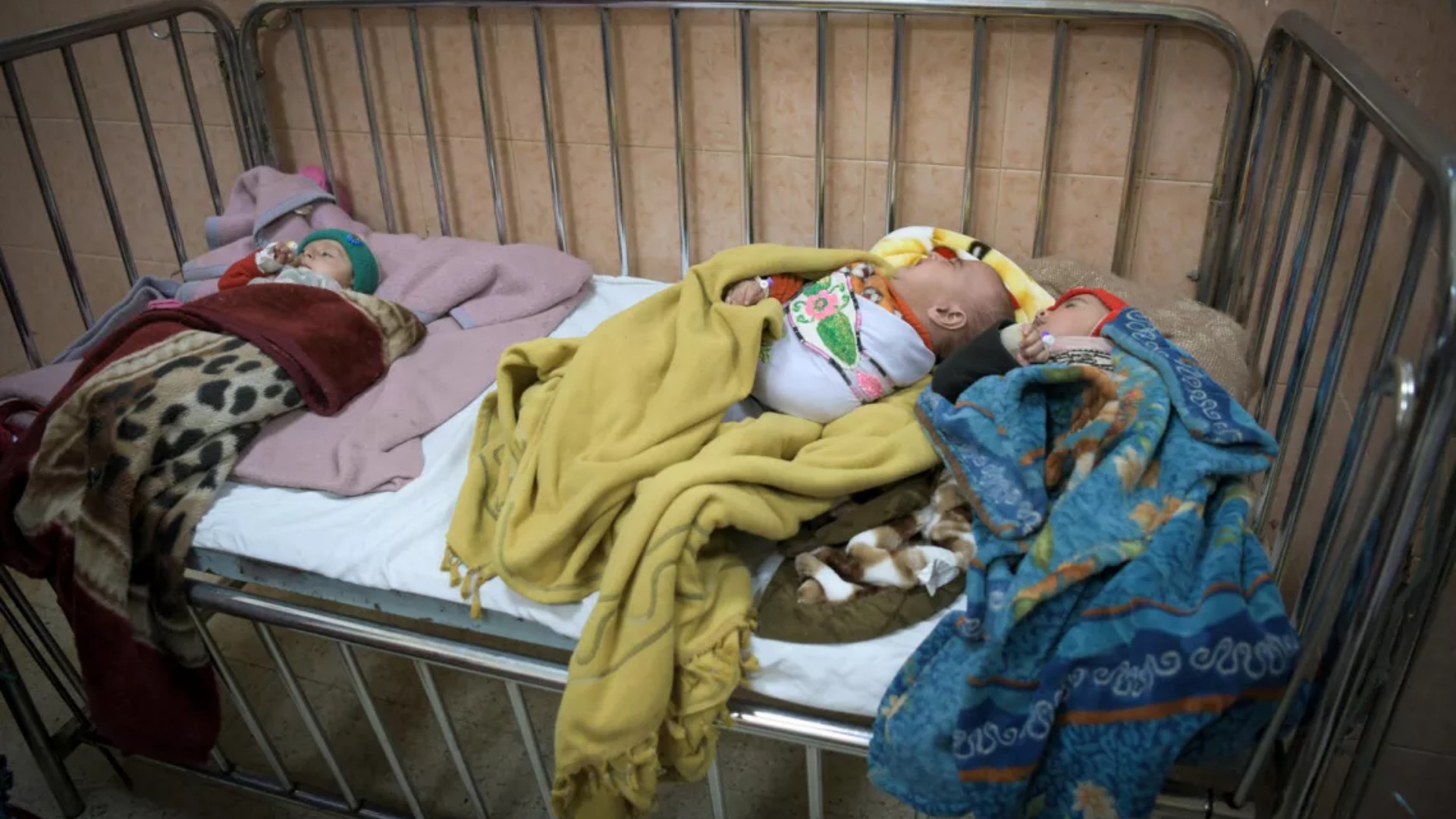
The Kabul Tribune (KT) — At the start of the year, Afghanistan recorded its highest increase in child malnutrition ever, according to the World Food Program. Since then, the situation has only worsened.
“Food assistance kept a lid in this country on hunger and malnutrition, particularly for the bottom five million who really can’t cope without international support. That lid has now been lifted,” said John Aylieff, WFP’s country director, in comments reported by the BBC. “The soaring of the malnutrition is placing the lives of more than three million children in peril.”
The U.N. agency says its operations have been crippled by a sharp decline in international funding. The United States, once Afghanistan’s largest donor, halted nearly all aid earlier this year. Eight or nine other major donors have also pulled back since 2023, while others have reduced their contributions.
Multiple crises are competing for donor attention around the world, but Afghanistan’s Taliban rulers have also hindered aid delivery with policies that restrict women’s rights. A recent enforcement of a ban on Afghan women working for NGOs has put the distribution of “life-saving humanitarian assistance at serious risk,” the United Nations says.
Taliban officials blame sanctions and aid cuts for the suffering. “Those who are facing malnutrition, those who are facing hunger, it’s because of sanctions, because of aid cuts by international organizations. It’s not because of the government,” Suhail Shaheen, head of the Taliban’s political office in Doha, told the BBC.
Shaheen said the government is helping citizens as much as its revenue allows. But sanctions and lack of recognition have left it unable to cover widespread needs.
The crisis is compounded by a severe drought across more than half of Afghanistan’s provinces and the forced return of more than 2 million Afghans from Iran and Pakistan, cutting off remittances many families rely on.
In the western province of Herat, the Sheidaee graveyard offers a grim measure of the toll. Among the hundreds of graves, two-thirds appear to be those of children. Villagers told the BBC the cemetery is only two to three years old and not reserved for the young.
Families told BBC reporters that many of the children died from malnutrition. Rahila carried her two-year-old son, Hibatullah, who is unable to stand. Another woman, Durkhanee, brought out her toddler son, Mohammad Yusuf, also too weak to stand.
Nearly half of all Afghan children under age five are stunted, the U.N. estimates.
At the graveyard, parents Ghulam Mohiddin and his wife, Nazo, pointed to the tiny plots where they buried three sons in the past two years: one-year-old Rahmat, seven-month-old Koatan and three-month-old Faisal Ahmad.
“Can you imagine how painful it’s been for me to lose three children?” said Nazo, speaking to the BBC. “One minute there’s a baby in your arms, the next minute they are empty. I hope every day that angels would somehow put my babies back in our home.”





