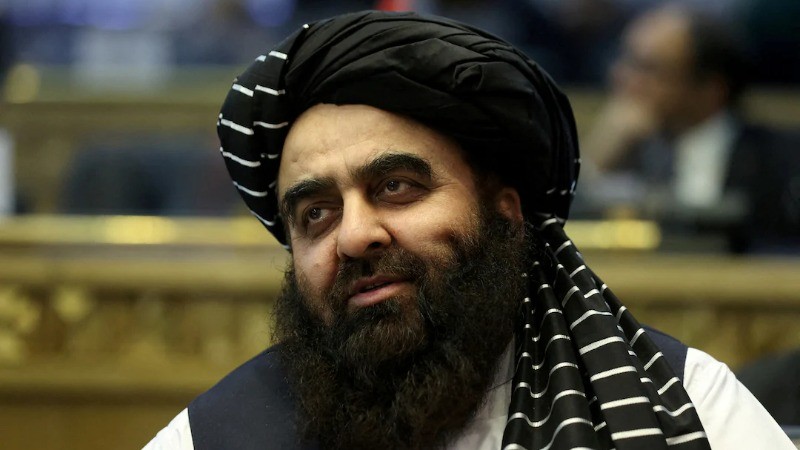
The Kabul Tribune (KT)— Afghanistan’s Taliban administration plans to send a delegation led by Foreign Minister Amir Khan Muttaqi to the 18th summit of the Economic Cooperation Organization in Tehran on Dec. 3-4, the Foreign Ministry said.
Zia Ahmad Takal, head of the ministry’s Information and
Public Relations Department, announced the delegation’s participation but did
not provide details about its agenda or possible bilateral meetings on the
sidelines of the summit.
The announcement comes after the Taliban administration was
excluded from the ECO Council of Foreign Ministers meeting held in Islamabad on
Nov. 15-16. Pakistan did not invite Taliban representatives, despite
Afghanistan being one of the organization’s 10 member states. Pakistan’s
Foreign Ministry said Afghanistan’s membership in the ECO Secretariat remained
suspended and that participation in ministerial-level meetings was subject to
the host country’s discretion.
The exclusion drew criticism from Taliban officials. Zakir
Jalaly, a senior official at the Taliban Foreign Ministry, said regional
economic integration without Afghanistan was unrealistic, arguing that trade,
transit and economic cooperation should not be held back by political
differences. Deputy Economy Minister Abdul Latif Nazari also said political
disagreements should not prevent Afghanistan from participating in economic
meetings.
Pakistan defended its decision, saying it had not recognized
the Taliban administration. Its Foreign Ministry also said meaningful regional
cooperation required Afghan authorities to address neighboring countries’
security concerns, particularly allegations that militant groups operate from
Afghan territory. The Taliban deny allowing Afghanistan to be used to launch
attacks against other countries.
The ECO, established in 1985, is a 10-member regional
organization that promotes economic cooperation among Afghanistan, Pakistan,
Iran, Türkiye, Azerbaijan, Kazakhstan, Kyrgyzstan, Tajikistan, Turkmenistan and
Uzbekistan. Its areas of cooperation include trade, transportation, energy and
regional connectivity.