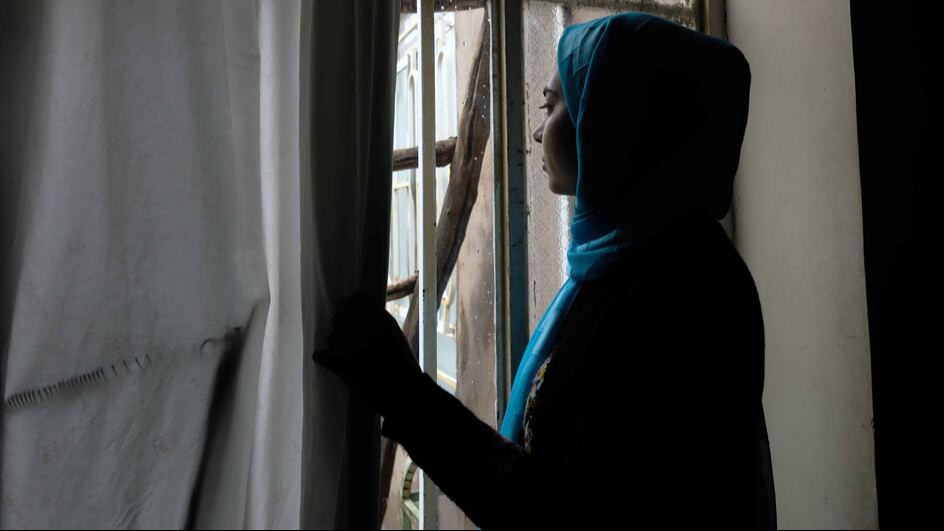
The Kabul Tribune (KT)— Restrictions imposed by Afghanistan’s Taliban authorities and cuts to humanitarian funding are preventing growing numbers of women and girls from accessing vital medical care, while leaving millions without essential support, UN Women and other aid agencies warned Friday.
The agencies described the situation as an escalating
assault on the rights and freedoms of women and girls, warning that the
restrictions and declining assistance are putting the health and well-being of
millions at risk.
A major cause of the crisis is the more than 100 edicts
issued by the Taliban authorities since returning to power in 2021. These
measures have severely restricted women’s movement outside their homes, as well
as their access to education and employment, according to UN Women.
The agency said substantial cuts to humanitarian funding
have further worsened the situation, while needs across Afghanistan continue to
grow.
Sofia Calltorp, UN Women’s chief of humanitarian action,
warned that there is an increasing risk that Afghanistan’s 22 million women and
girls will be denied access to health care in the longer term.
Sharing accounts from her recent visit to Afghanistan,
Calltorp described women who had been unable to obtain medical assistance and
families struggling with restrictions on women’s access to support.
“One woman that I met in Kunar told me that she had suffered
multiple miscarriages without access to healthcare. I also met with men who
spoke of restrictions preventing them from supporting women,” she said.
Calltorp also spoke about women who had been displaced from
their homes after losing everything in an earthquake last year and were facing
their second winter away from home. Some had since been displaced again by
hostilities with Pakistan or severe flooding in recent months.
Aid cuts close health facilities and support services
UN Women, the U.N. Office for the Coordination of
Humanitarian Affairs (OCHA) and their partners reported that nearly 300
humanitarian health facilities have been closed or suspended because of aid
cuts, affecting more than one million women and girls.
More than 193 support centers for survivors of gender-based
violence have also closed, affecting more than one million women and girls, the
agencies said.
They added that around 3.4 million women and girls in need
are now unlikely to have access to water, sanitation and hygiene services.
UN Women provides emergency cash assistance, counseling and
small-business training to women in need. However, Calltorp said these
services, while critical, cannot reverse the impact of Taliban restrictions
that have removed safeguards against violence and abuse within the home.
She described the case of a 24-year-old woman who had been
confined to her home by her father for 18 months after suffering repeated abuse
and being left without food.
“In her own words, ‘I feel like life is not meant for me,’”
Calltorp said.
The woman’s situation changed after she and her father took
part in a program designed to prevent and protect women from violence,
following which her father stopped abusing her.
The program is run by a local women’s organization, one of
many supported by UN Women across Afghanistan.
Calltorp said women across the country continue to find ways
to survive, care for their families, support one another and maintain hope,
despite the restrictions and hardships they face.
“But we cannot accept this as normal,” she said.
Women in Afghanistan remain barred from many public spaces
and most workplaces, while millions of girls are also excluded from education.
UN Women calls Afghanistan the world's worst women’s
rights crisis
UN Women said about 2.6 million girls have been barred from
secondary education in Afghanistan. The agency warned that continued exclusion
from education could push more girls into child marriage and increase maternal
mortality.
Susan Ferguson, UN Women’s special representative in
Afghanistan, described the country as facing the “world’s worst women’s rights
crisis” and said Afghan women are now “fighting for their own survival.”
She said funding cuts have forced humanitarian organizations
to make “impossible decisions” about which women and girls can receive support
and which must be turned away.
Ferguson urged governments and other international donors to
continue supporting Afghan women and girls and increase, rather than reduce,
their assistance.
“I urge all governments and other international donors to
stand with us and with Afghan women and girls. Stay the course and increase,
not cut, your support. Back these women,” she said.