The Kabul Tribune (KT) — Iran, Pakistan, Saudi Arabia and Turkiye have agreed to continue dialogue on regional peace and security following a high-level meeting in Tehran, as diplomatic efforts intensify to prevent a wider conflict in the Middle East.
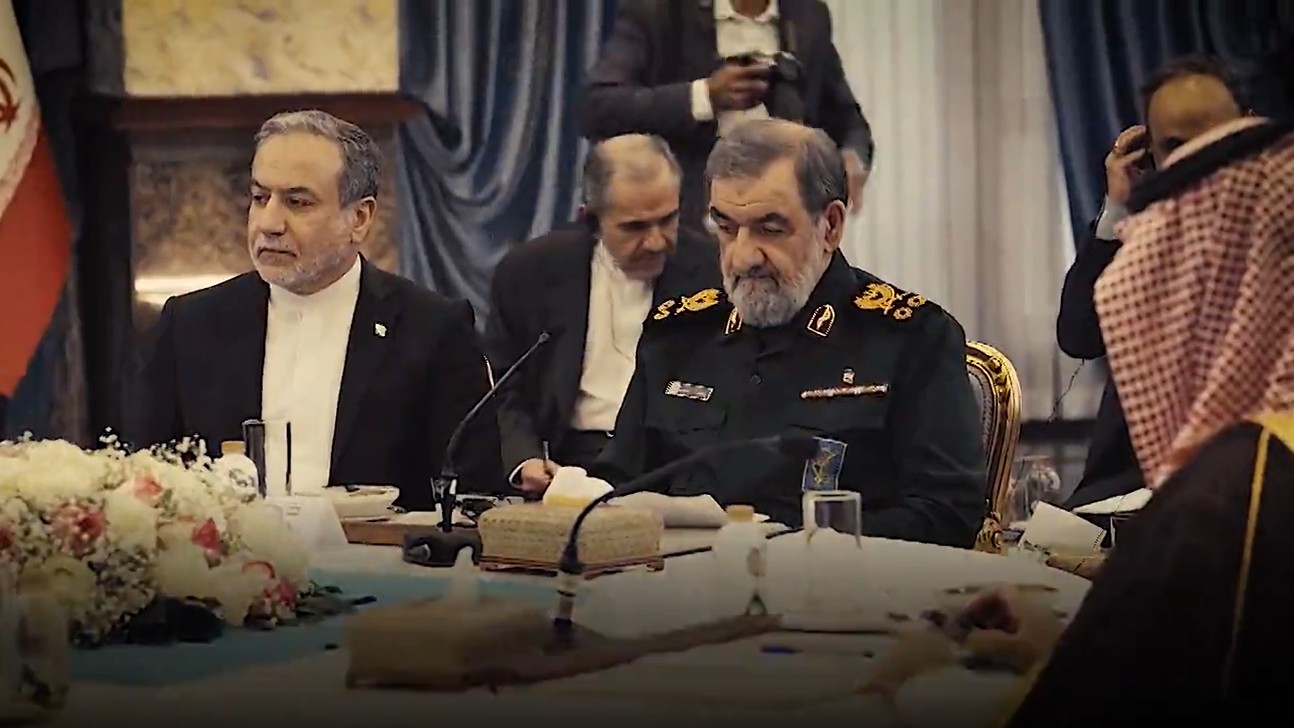
Iranian President Masoud Pezeshkian met senior officials
from the three countries on Monday, including Saudi Defense Minister Prince
Khalid bin Salman, Pakistan’s Chief of Army Staff and Chief of Defence Forces
Field Marshal Asim Munir, and Turkish intelligence chief Ibrahim Kalin.
The meeting brought together Iran and the three countries
that signed the Makkah Joint Defense Agreement in August, marking a significant
diplomatic engagement amid escalating regional tensions.
“The Islamic Republic of Iran supports any understanding
aimed at strengthening the unity and cohesion of Islamic nations,” Pezeshkian
said, according to an official statement.
He said regional countries could set an example of justice
and development by combining their resources and capabilities.
Iranian officials and representatives of the three countries
agreed to continue discussions aimed at strengthening regional cooperation,
including on peace and security, according to Iranian state media.
Talks Aim To Prevent Wider Regional Conflict
The discussions came amid rising tensions involving Iran,
the United States, Israel and Yemen’s Houthi movement, also known as Ansar
Allah, which has escalated attacks against Saudi Arabia.
The talks also focused on broader regional security
concerns, including developments in Palestine and Lebanon and the consequences
of U.S. and Israeli military actions against Iran, according to Iranian
officials.
Iranian Foreign Ministry spokesman Esmaeil Baghaei said the
meeting had been proposed during Field Marshal Munir’s visit to Tehran the
previous week.
The visiting officials had earlier held separate talks with
Mohsen Rezaei, secretary of Iran’s Supreme National Security Council, before
meeting Pezeshkian.
Following the discussions, Rezaei described the atmosphere
as positive and expressed optimism about continued regional engagement.
“A new and positive atmosphere has emerged within the
region,” he said, according to reports from Iranian state media.
No comprehensive agreement on the region’s major security
disputes was announced following the meeting, which lasted about two hours.
Pakistan And Qatar Support Diplomatic Efforts
The meeting followed a visit by a Qatari delegation to
Tehran, highlighting parallel diplomatic efforts to reduce tensions and
encourage negotiations.
Saudi Arabia’s Foreign Ministry described the visit by the
Makkah pact countries as part of ongoing efforts to promote dialogue, reduce
regional tensions and support diplomatic solutions.
The initiative also aims to support mediation efforts led by
Pakistan and Qatar, Saudi officials said.
The diplomatic engagement comes as Pakistan seeks to
maintain its defense partnership with Saudi Arabia while preserving working
relations with neighboring Iran.
Islamabad has also sought to facilitate communication
between Washington and Tehran, positioning itself as a potential intermediary
as regional tensions threaten to escalate.
For Saudi Arabia, the talks offer an opportunity to address
security concerns directly with Iranian leaders while continuing defense
cooperation with Pakistan and Turkiye.
Makkah Defense Pact Faces A Regional Test
The Makkah Joint Defense Agreement, signed by Saudi Arabia,
Pakistan and Turkiye in August, provides a framework for closer defense cooperation
among the three countries.
The Tehran meeting demonstrated that the agreement’s members
are also pursuing diplomatic engagement with Iran as regional security concerns
intensify.
The discussions took place as Saudi Arabia faced growing
threats from Houthi attacks and the potential spillover of the wider conflict
involving Iran, the United States and Israel.
Egypt’s parliament also authorized President Abdel Fattah
el-Sisi on Monday to take measures to provide defensive military support to
Saudi Arabia, according to Egyptian state media. Cairo has said its support
would focus on defending Saudi territory and borders.
The development underscored growing concerns that the
conflict could spread further across the region, increasing pressure on
governments to combine security cooperation with diplomatic initiatives.
Possible Regional Security Framework Under Discussion
Media reports indicated that the Tehran discussions included
possible arrangements to prevent aggression between regional countries, renewed
U.S.-Iran negotiations, the reopening of the Strait of Hormuz and the U.S.
naval blockade of Iranian ports.
Other reported topics included Houthi attacks, the
consequences of U.S. and Israeli military actions, and developments in
Palestine and Lebanon.
However, officials did not announce an agreement on these
reported proposals, and the precise terms of any potential regional security
framework remained unclear.
Iran has long argued that regional countries should manage
their own security affairs rather than rely on outside powers.
Monday’s meeting gave Saudi Arabia, Pakistan and Turkiye an
opportunity to communicate their concerns directly to Iranian leaders while
exploring ways to reduce the risk of further escalation.
The agreement to continue dialogue signals a willingness
among the four countries to maintain diplomatic channels at a time when
regional tensions threaten security, trade and stability across the Middle
East.