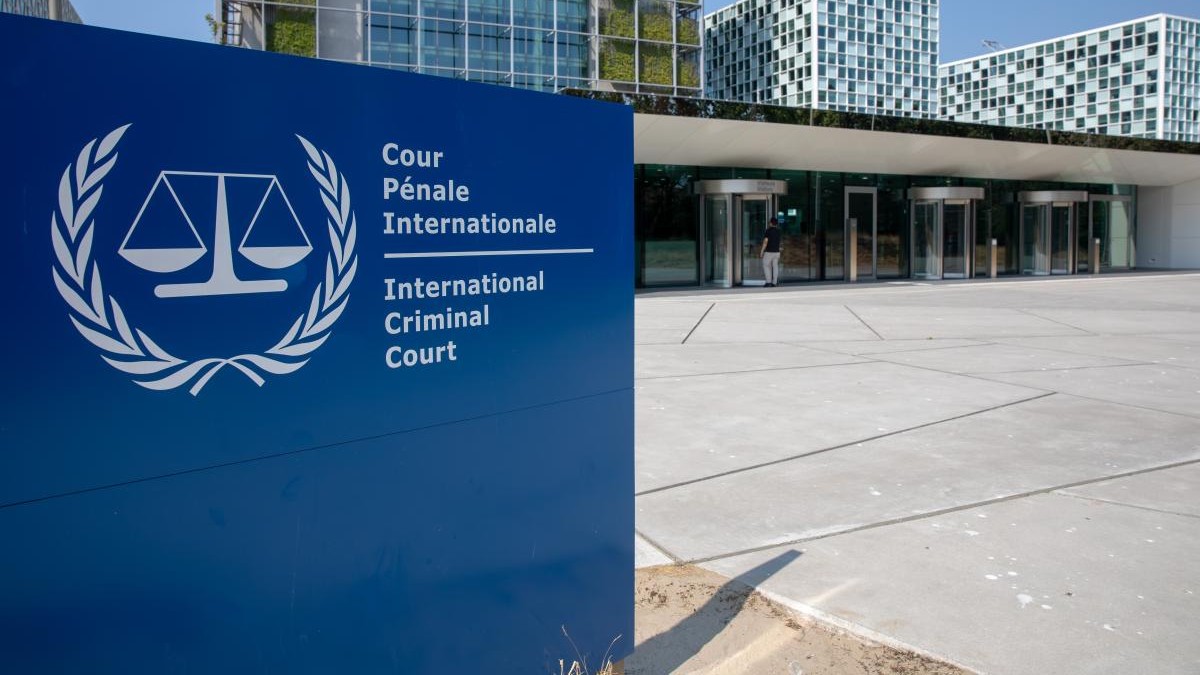
The Kabul Tribune (KT) — United Nations experts on Friday urged the International Criminal Court to reverse its decision to close an investigation into alleged crimes committed in Afghanistan before August 2021, warning that the move would deny justice to thousands of victims.
The experts said the decision by the ICC’s Pre-Trial Chamber II would leave the court investigating only alleged crimes committed by the Taliban since they returned to power in August 2021, excluding allegations involving other parties to Afghanistan’s armed conflict.
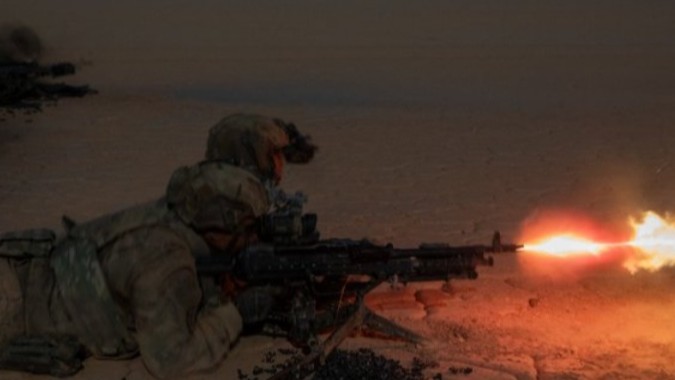
The investigation covered alleged crimes committed since 2003 by the Taliban, the Islamic State group’s affiliate in Afghanistan, former Afghan security forces and U.S. forces.
The chamber said the prosecution had not demonstrated its ability to effectively pursue further investigative or prosecutorial work on crimes committed before August 2021. The experts challenged that assessment, saying the closure was wrong, raised procedural questions and should be reversed.
“Many Afghans have waited to see justice done, some for more than 20 years,” the experts said.
The decision followed a July 15, 2026, ruling by the chamber requiring a separate investigation into alleged crimes against women and girls since the Taliban takeover. The experts noted that the prosecution had appealed that ruling and that the appeal was still pending.
The experts said investigating alleged persecution of women and girls since August 2021 should not come at the expense of pursuing justice for crimes committed before the Taliban takeover or other serious offenses during the conflict.
They also warned that ending an investigation because of delays could set a dangerous precedent, noting that other ICC investigations had remained inactive for years before being revived.
The experts called on the court to provide victims and their legal representatives with timely information about the decision and meaningful opportunities to raise their concerns under the court’s legal framework and international human rights standards.