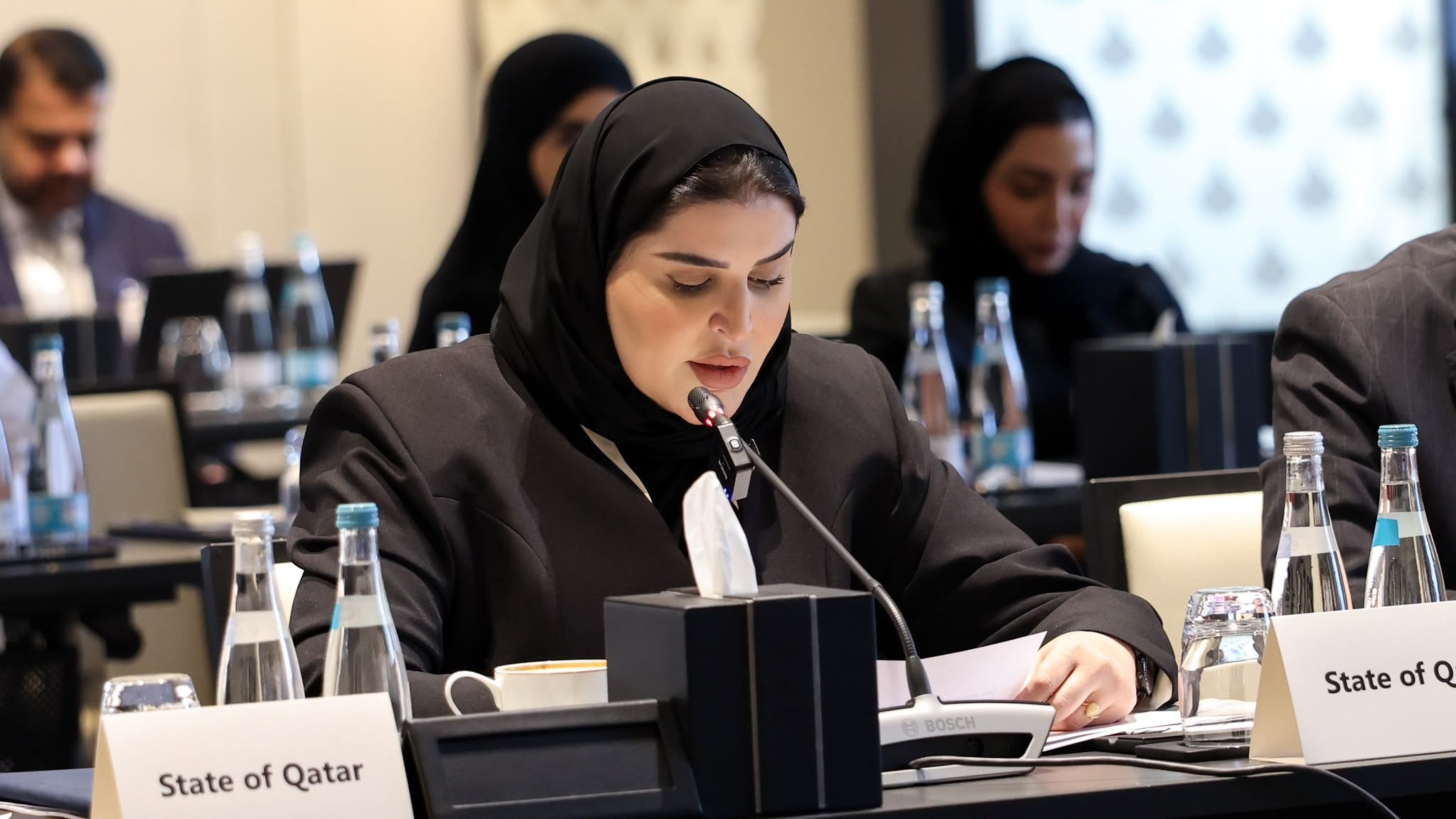
The Kabul Tribune (KT)— Qatar’s Minister of State for International Cooperation Maryam bint Ali bin Nasser Al Misnad on Tuesday called for sustained international engagement and stronger coordination to address Afghanistan’s humanitarian and economic challenges.
Speaking at a meeting of the Afghanistan Coordination Group
in Doha, held Oct. 20-21, Al Misnad said Afghanistan needed clear priorities,
practical cooperation and long-term international support to help its people
cope with worsening humanitarian needs and economic difficulties.
She thanked Switzerland, the United Nations, the World Bank
and participating governments and institutions for their continued commitment
to the Afghan people, emphasizing that fragmented international efforts could
undermine the effectiveness of assistance.
Al Misnad said Qatar remained committed to dialogue and
preventive diplomacy, noting that the country had supported political
engagement on Afghanistan since the launch of the Doha peace process in 2013.
Qatar has also facilitated communication among Afghan parties, the United
Nations and international partners, she said.
She stressed that Afghanistan’s future should be determined
through an inclusive political process led by Afghans themselves, with respect
for the country’s sovereignty, independence and territorial integrity.
At the same time, she said Afghanistan’s stability was closely
linked to regional security, economic connectivity and international peace.
Qatar pledges continued humanitarian support
Al Misnad said Qatar had provided and pledged nearly $150
million over the past decade for humanitarian and development projects in Afghanistan,
including in health care, education and emergency response.
She warned that humanitarian needs remained severe, while
economic fragility, population displacement and the return of Afghans from
abroad were placing additional pressure on already strained public services and
limited livelihood opportunities.
Funding shortages have added to the challenges facing aid
agencies, particularly in essential health care, nutrition, education, water
and food security, she said.
Al Misnad called for closer coordination among donors, U.N.
agencies, international financial institutions, regional organizations and
implementing partners to ensure that assistance was delivered transparently,
accountably and in accordance with humanitarian principles.
She reaffirmed that Qatar would continue supporting
humanitarian and development initiatives through its national institutions and
in cooperation with international partners, with particular attention to
vulnerable communities, women and young people.
Doha process and economic cooperation
The Qatari minister said the U.N.-led Doha Process and its
working groups offered a platform for improving international coordination and
advancing practical cooperation on Afghanistan.
She highlighted counter-narcotics efforts, private-sector
development and other areas where international engagement could produce
tangible results.
Al Misnad urged participants to maintain momentum in the
process and keep Afghanistan high on the international agenda, stressing that
technical cooperation should complement, rather than replace, broader political
engagement.
She said the meeting should help identify shared priorities,
strengthen practical cooperation and renew international commitments to the
Afghan people.
The Afghanistan Coordination Group meeting in Doha brought
together international partners to discuss assistance and cooperation for
Afghanistan amid continuing humanitarian needs and economic pressures.