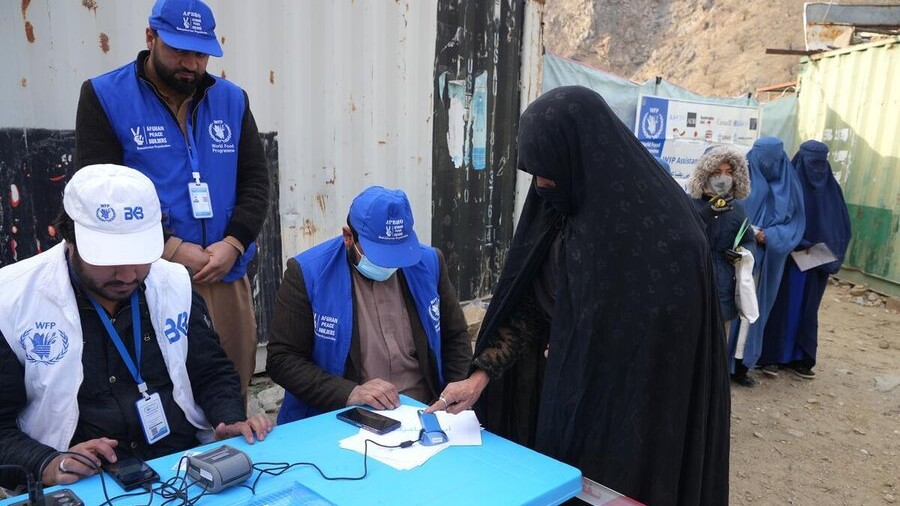
The Kabul Tribune (KT) — Women and girls in Afghanistan are expected to account for about 60% of the people who could face additional food insecurity by the end of 2026, according to a report by U.N. Women, as the United Nations warned that humanitarian access remains critical in some of the world’s most neglected crises.
Under a moderate scenario, an estimated 11.7 million additional women and girls worldwide could become food insecure by the end of December 2026, accounting for 53% of the projected 22 million additional people affected, U.N. Women said in a report released Friday.
The share is expected to be even higher in some countries, reaching 60% in Afghanistan, 57% in Yemen and Pakistan, and 56% in Bangladesh and Sudan, according to the report.
The report also highlighted Afghanistan’s particularly low levels of women’s participation in the labor force. In Afghanistan and Yemen, only about one in 20 women participates in the labor force, it said.
While labor force participation does not fully measure women’s economic resilience, U.N. Women said the low rates indicate that many women have limited independent access to income, savings, credit and other resources that can help households maintain food consumption when budgets become strained.
Women who are employed also face significant vulnerabilities. In 17 of the 28 countries examined in the report, at least half of employed women are in vulnerable employment.
In Afghanistan, Burkina Faso, Ethiopia, Haiti, Mali and South Sudan, more than 80% of employed women fall into that category, according to the report.
U.N. Women noted that the measure captures only part of women’s employment insecurity because temporary, informal, domestic and migrant work can create additional vulnerabilities that are not fully reflected in comparable data across countries.
In Afghanistan, Bangladesh, Pakistan and South Sudan, around two-thirds or more of employed women work in agriculture, the report said.
Meanwhile, the United Nations said Friday that it was releasing $160 million to help maintain life-saving assistance in 12 of the world’s most underfunded humanitarian crises.
U.N. relief chief Tom Fletcher said the funding would help aid agencies reach about 87 million people facing some of the most severe humanitarian crises this year.
“Getting aid to people in the world’s most neglected emergencies takes more than money,” Fletcher said. “It takes open roads, open borders and leaders willing to help it reach those in dire need.”
Fletcher, the U.N. emergency relief coordinator, said the new funding would help people who might otherwise be left without assistance, but stressed that humanitarian funding alone was not enough.
The U.N. Office for the Coordination of Humanitarian Affairs, which Fletcher leads, said the funding was intended to keep critical assistance flowing to people affected by some of the world’s most severe and underfunded emergencies.
Afghanistan remains among the countries facing significant humanitarian and economic pressures, with women and girls particularly vulnerable to food insecurity and limited access to economic opportunities, according to the U.N. Women report.
The agency said the findings underscore the importance of ensuring that women have access to income and other resources that can help families cope when food prices rise or household finances deteriorate.





