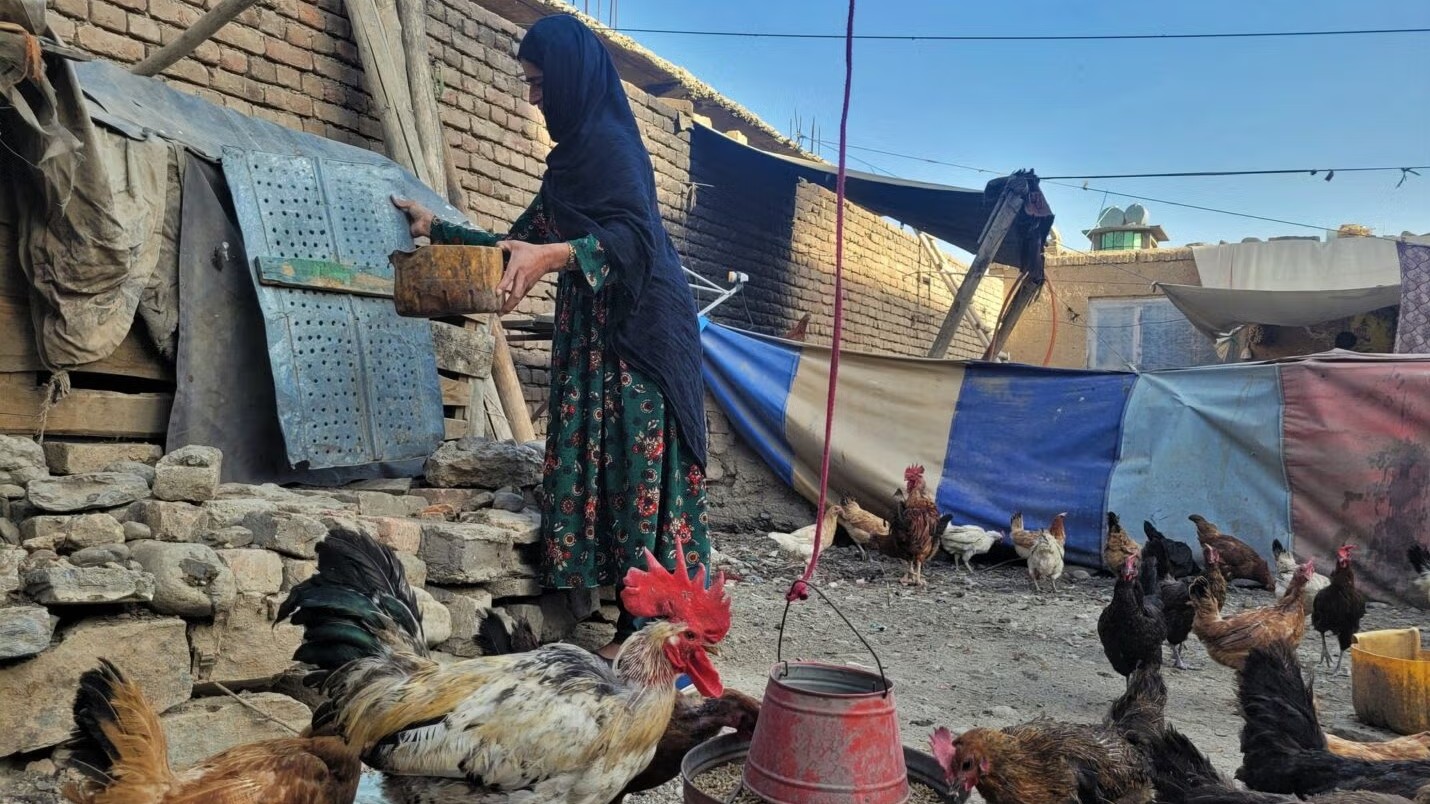
The Kabul Tribune (KT)— Afghan women are increasingly turning to home-based and informal businesses for income amid a fragile economic environment and declining participation in the formal labor market, according to a report by U.N. Women.
The report says that since 2021, reduced participation in
the formal labor market has pushed many women toward home-based and informal
businesses as a primary source of income.
These women-owned businesses help women support themselves
and their families despite significant economic and social barriers, the report
said.
However, most women-owned businesses remain small and
informal, limiting their access to financing and other services needed to
expand and withstand economic shocks.
Only 6.8% of women in Afghanistan have access to a personal
or joint bank account, while only 5% of loans accessed by women-owned
businesses come from formal banks, according to the report.
Limited ownership of assets, documentation requirements,
restrictions on mobility and low financial literacy further constrain women's
access to formal financial services.
The report highlights gender-responsive Islamic finance,
microfinance and digital financial services as potential ways to expand
financial inclusion for Afghan women.
According to U.N. Women, initiatives it has supported show
that adapting financial products and delivery models to women's needs can
increase access to financing. These measures include smaller loans, flexible
repayment terms, female banking agents and community-based savings mechanisms.
“Expanding access to finance is both feasible and urgent,”
the report says, adding that with appropriate regulatory, institutional and
investment support, financial services can help women-owned businesses build
resilience, expand, access new markets and contribute more fully to the
economy.