The Kabul Tribune (KT)— International officials and Afghan women’s rights advocates at a U.N. General Assembly side event called for Afghan women to have a central role in decisions about their country’s future, while urging governments to put human rights at the center of any engagement with the Taliban.
The event, focused on women and girls in Afghanistan and
co-hosted by Ireland and the Malala Fund, brought together Nobel laureate
Malala Yousafzai, Irish Foreign Minister Helen McEntee, U.N. human rights chief
Volker Türk and Afghan women’s rights advocates.
Yousafzai urged world leaders to “trust Afghan women more
than the Taliban” and ensure women are included in decisions concerning
Afghanistan’s future.
McEntee said Ireland does not support recognition of the
Taliban and questioned recent engagement with the group, including a Taliban
delegation’s visit to Brussels.
“What’s changed for us to engage with them in the way that
that happened?” she said.
Türk said the Taliban had “established essentially a gender
apartheid regime” in Afghanistan and stressed that human rights, particularly
the rights of women and girls, must remain at the center of international
engagement with the Taliban.
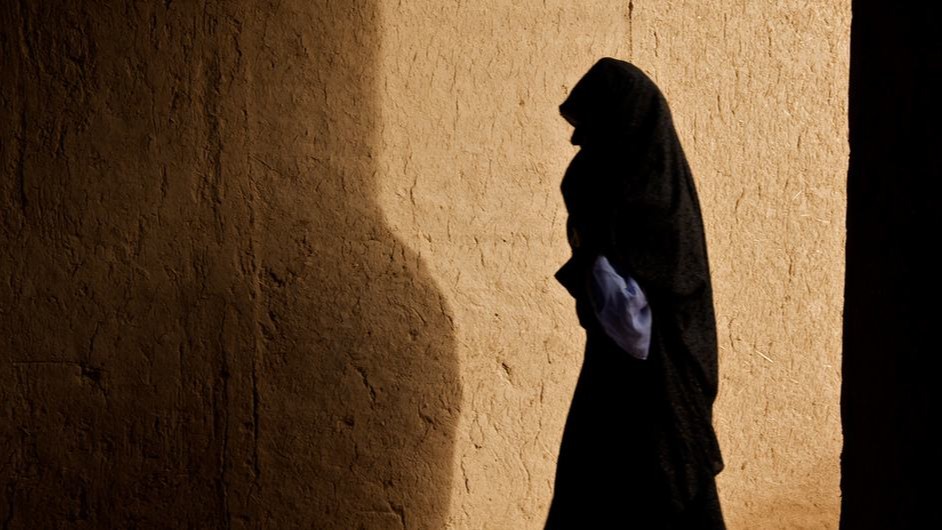
The U.N. has documented sweeping restrictions on Afghan
women and girls since the Taliban returned to power in 2021. Women and girls
have been barred from secondary and higher education, excluded from many jobs
and faced restrictions on movement, public participation and access to
services.
Afghan rights advocate Metra Mehran said Afghan women have
placed their faith in international law because they have few other options.
“A girl who hasn’t been to school in the past five years
cannot afford not to believe and have faith in international law,” Mehran said,
calling on the international community to fulfill its commitments to Afghan
women and girls.
Asila Wardak of the Women’s Forum on Afghanistan called on
the Organization of Islamic Cooperation to establish a permanent mission in
Kabul to monitor and respond to rights violations.
“Influence requires presence,” Wardak said.
Wardak also called for greater investment in Afghanistan’s
youth, warning that prolonged exclusion from education, employment and civic
life could contribute to radicalization and create wider security risks.
The discussion reflected growing calls from Afghan women’s
rights advocates and international officials for governments to balance
engagement with Afghanistan’s de facto authorities with pressure over human
rights. The Taliban has defended its policies as consistent with its
interpretation of Islamic law and Afghan culture.
The participants said Afghan women should not be sidelined
in international discussions about the country, arguing that their
participation is essential to any sustainable future for Afghanistan.
Malala Yousafzai urged world leaders to “trust Afghan women
more than the Taliban” and ensure Afghan women are included in decisions about
their country’s future. She made the remarks at an event on women and girls in
Afghanistan, co-hosted by Ireland and the Malala Fund on the sidelines of the
UN General Assembly in New York.
Addressing a UNGA side event on Afghanistan, Irish Foreign
Minister Helen McEntee said the Taliban should not be recognized, criticizing a
recent Taliban delegation's trip to Brussels. “What's changed for us to engage
with them in the way that that happened?” she said.
UN human rights chief Volker Turk says the Taliban have
“established essentially a gender apartheid regime” in Afghanistan. Speaking at
a UNGA side event on Afghanistan, Turk said human rights, particularly those of
women and girls, must be at the center of any international engagement with the
Taliban.
Addressing a UNGA side event on Afghanistan, rights advocate
Metra Mehran said Afghan women have “put their faith in international law”
because they have no other option. “A girl who hasn’t been to school in the
past five years cannot afford not to believe and have faith in international
law,” she said, urging the international community to deliver on its
commitments.
Asila Wardak of the Women’s Forum on Afghanistan called on
the OIC to establish a permanent mission in Kabul to monitor and respond to
rights violations. “Influence requires presence,” Wardak said at a UNGA side
event on Afghanistan. She also urged greater investment in Afghanistan’s youth,
warning that prolonged exclusion from education, employment and civic life
could fuel radicalization and create broader security risks.