The Kabul Tribune (KT) — Australia’s new immigration restrictions could create labor shortages across the agricultural sector and threaten the upcoming wheat harvest, farm groups warned, as businesses raised concerns that tighter migration rules could hurt the economy, Reuters reported Friday.
Australia’s center-left Labor government announced Thursday
a series of measures aimed at reducing annual immigration by tens of thousands
of people. The changes include a ballot system limiting the number of working
holiday visa holders who can extend their stays into a second or third year.
The visas, commonly used by backpackers, are an important
source of seasonal labor for farms and other rural businesses, including
tourism and hospitality.
Farm groups said processing times for working holiday visas
would increase to three months from as little as a few days, raising concerns
about whether workers will arrive in time for the harvest.
Australia is the world’s third-largest wheat exporter and
also ships large quantities of canola, barley, beef and wine.
About one in seven agricultural jobs is held by a worker on
a backpacker visa, according to the National Farmers’ Federation, with the
share significantly higher in some regions and during harvest periods when
farms need additional workers.
NFF President Hamish McIntyre said the government had
already slowed the processing of working holiday visas, leaving some farms
short of workers.
“Farmers need approvals in days, not months,” McIntyre said.
“For many farms, three months is the difference between harvesting a crop and
losing it.”
He warned that labor shortages could reduce agricultural
production and increase prices.
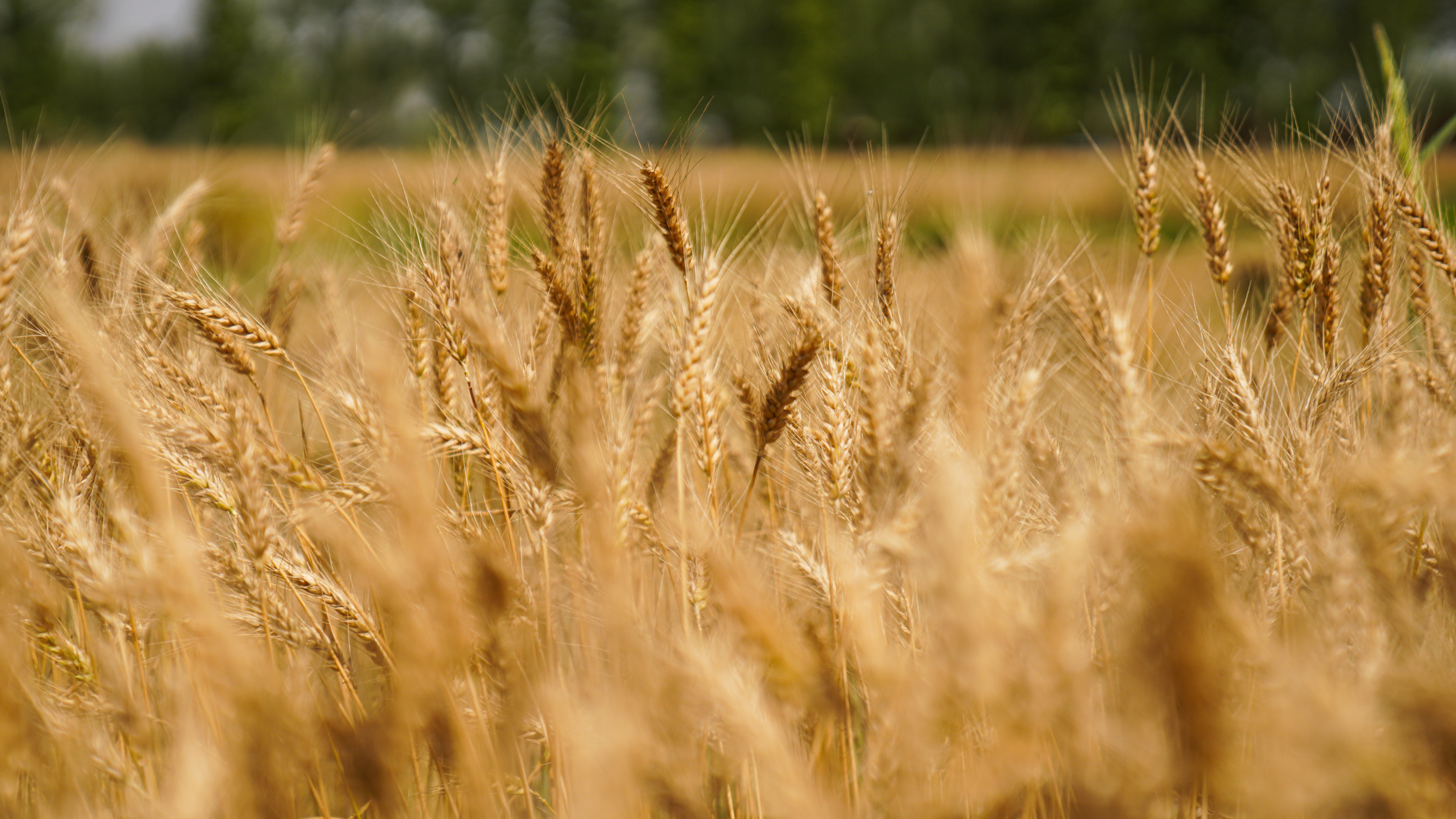
The winter crop harvest, including wheat, is due to begin
across Australia in the coming weeks.
“There’s a real risk that crops will be left to rot and
remote businesses just won’t be able to operate,” said opposition lawmaker
Susan McDonald, the shadow minister for resources and northern Australia.
Prime Minister Anthony Albanese’s government is facing
pressure from the right-wing populist One Nation party to tighten Australia’s
borders. Immigration has also ranked among voters’ leading concerns in recent
opinion polls.
The government’s measures would also restrict foreign
students’ ability to bring family members to Australia.
Business Council of Australia CEO Bran Black said labor
shortages were already affecting the economy.
“Almost one in three occupations in this country are short
of workers right now,” Black said, adding that migration policy should address
shortages in areas including construction, health care, infrastructure and
energy.
Australia experienced a sharp increase in immigration after
reopening its borders in February 2022 following nearly two years of COVID-19
restrictions. The increase was driven largely by international students,
backpackers and temporary workers.
Net overseas migration has declined over the past two years,
falling to 306,000 people in the year to June 30, 2025, from a peak of 556,000
in the year to Sept. 30, 2023, according to figures cited by Reuters.