A year after a devastating earthquake struck eastern Afghanistan, many families are still rebuilding their homes and livelihoods while coping with loss and uncertainty.
Afghanistan's children were already facing one of the
world's most severe humanitarian crises before the disaster struck. Continued
access to essential supplies, health care, education and protection remains
critical to help children recover, build resilience and look toward a brighter
future.
A powerful 6.3-magnitude earthquake struck eastern
Afghanistan on Aug. 31, 2025. Nearly 2,000 people were killed, more than half
of them children.
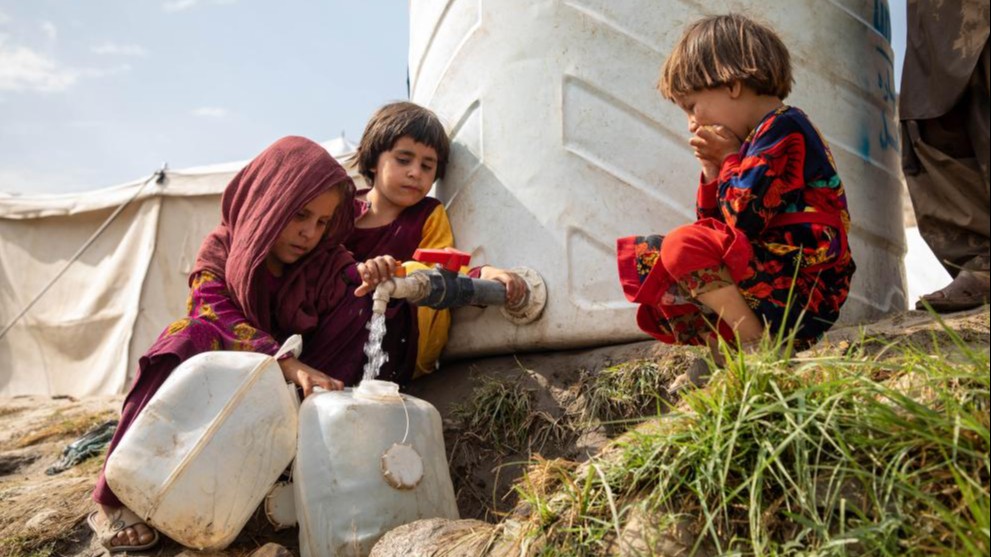
Those who survived were left in urgent need of water,
sanitation and hygiene services, food assistance, shelter and other essential
support.
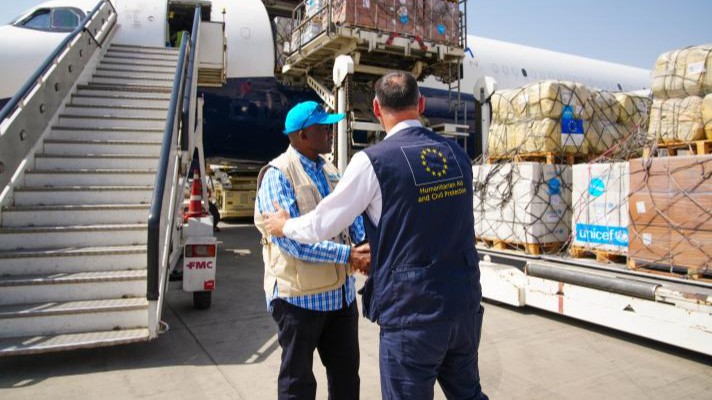
Within days of the disaster, UNICEF, with support from the
European Union, urgently airlifted 130 metric tonnes of emergency supplies from
its global supply hub in Copenhagen and its satellite hub in Dubai.
Shelter and Health Supplies Sent With EU Support
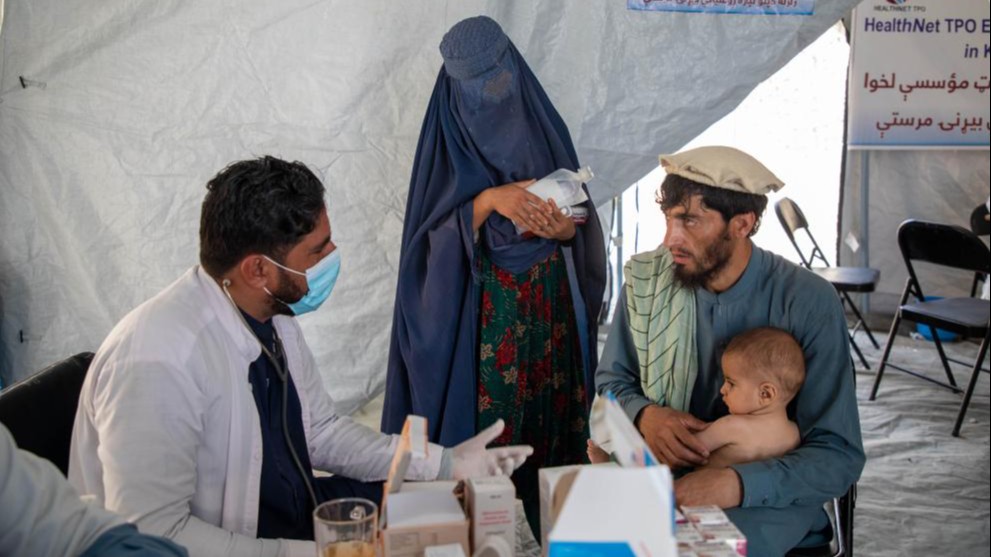
The emergency shipment included medicines and medical
equipment to provide life-saving care to the injured and critically ill, along
with midwifery and obstetric kits for safe births and hygiene supplies for
women and girls.
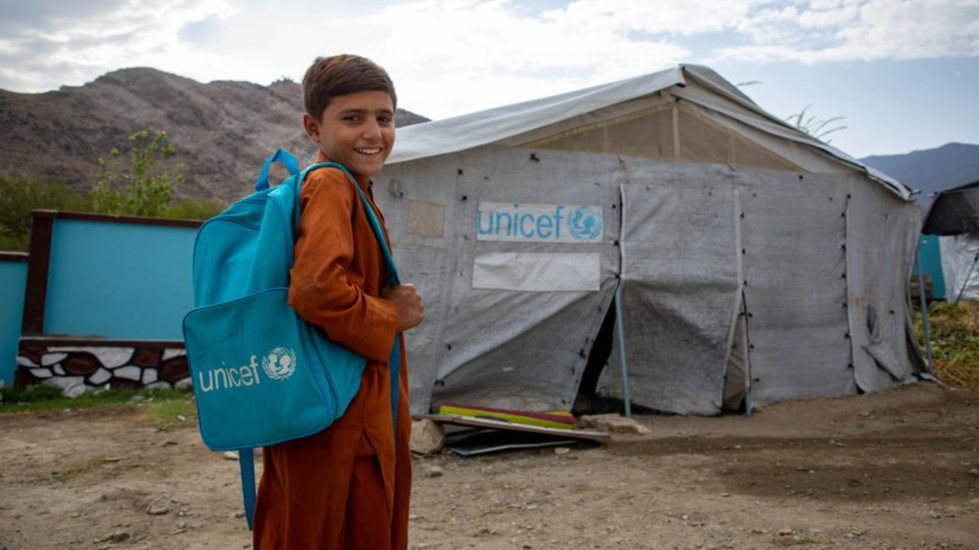
Tents were deployed and set up as child-friendly spaces,
providing children with a safe place to cope with the trauma of the earthquake
and the loss of parents and siblings. Blankets and warm clothing were also
delivered to help families withstand cold nights.
These supplies formed the backbone of UNICEF's immediate
response, helping save lives and laying the foundation for longer-term
recovery.
The earthquake struck late at night while families were
sleeping. In just seconds, homes were reduced to rubble, burying many people
under debris for hours. Public infrastructure across entire communities was
destroyed, leaving many of the injured with nowhere to seek help.
Families struggled to feed their children with the little
food they could salvage.
With each hour passing without treatment, people grew weaker
as shortages of clean water, food, medicines and hygiene products increased the
risk of disease and illness.
Restoring Basic Services
Prepositioned and airlifted emergency supplies allowed
UNICEF and its partners on the ground to rapidly scale up their response,
restoring basic services and delivering critical support across the most
affected areas, including health, nutrition, water, sanitation and hygiene.
The speed of the response helped prevent a secondary
humanitarian crisis in the weeks following the earthquake.
Children who lost their homes and loved ones were able to
receive psychosocial support and access safe spaces where they could gather,
connect and begin to regain a sense of normalcy.
Recreation kits and early childhood development kits were
also provided, allowing children to participate in drawing, storytelling,
singing, games and informal learning.
Supporting Education
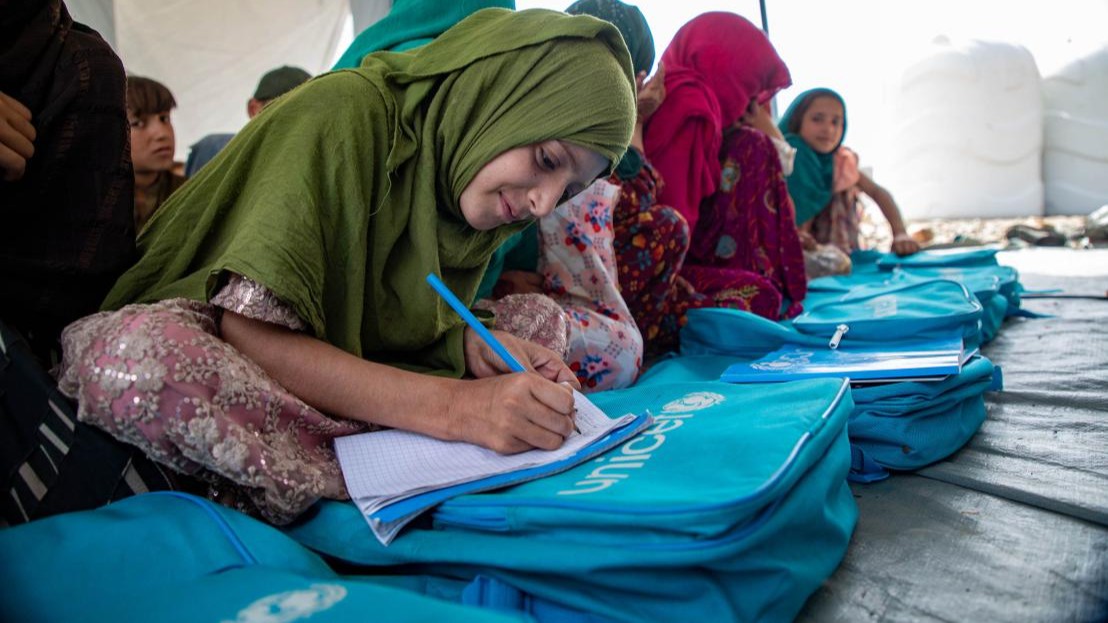
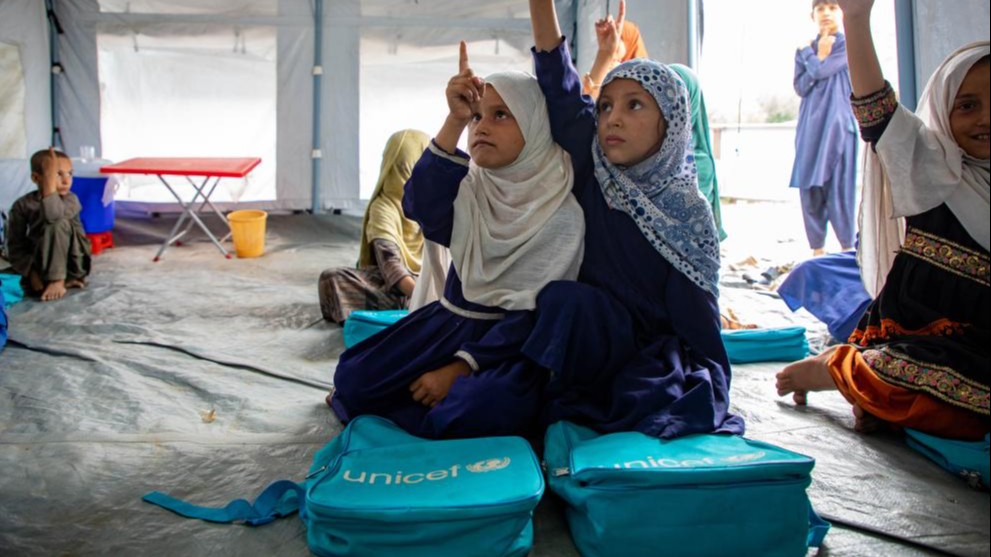
A total of 500 temporary learning spaces were established,
enabling nearly 15,000 children to access education. For many children,
particularly girls, this was their first opportunity to attend school.
Pencils, notebooks, backpacks and other learning materials
were distributed to support children in the classroom.
A structured transition process is now supporting the
integration of children into formal schools through assessments, coordination
and community engagement.
One year later, many children have returned to their daily
routines, but families across the affected communities continue to rebuild
their homes, livelihoods and futures.
NOTE: This article was originally published by the
European Union’s Civil Protection and Humanitarian Aid Operations. The Kabul
Tribune is republishing it to highlight ongoing recovery efforts and
humanitarian needs in eastern Afghanistan. The original article is available on
the European Union’s website.
UNICEF
UNICEF
UNICEF
UNICEF
UNICEF





