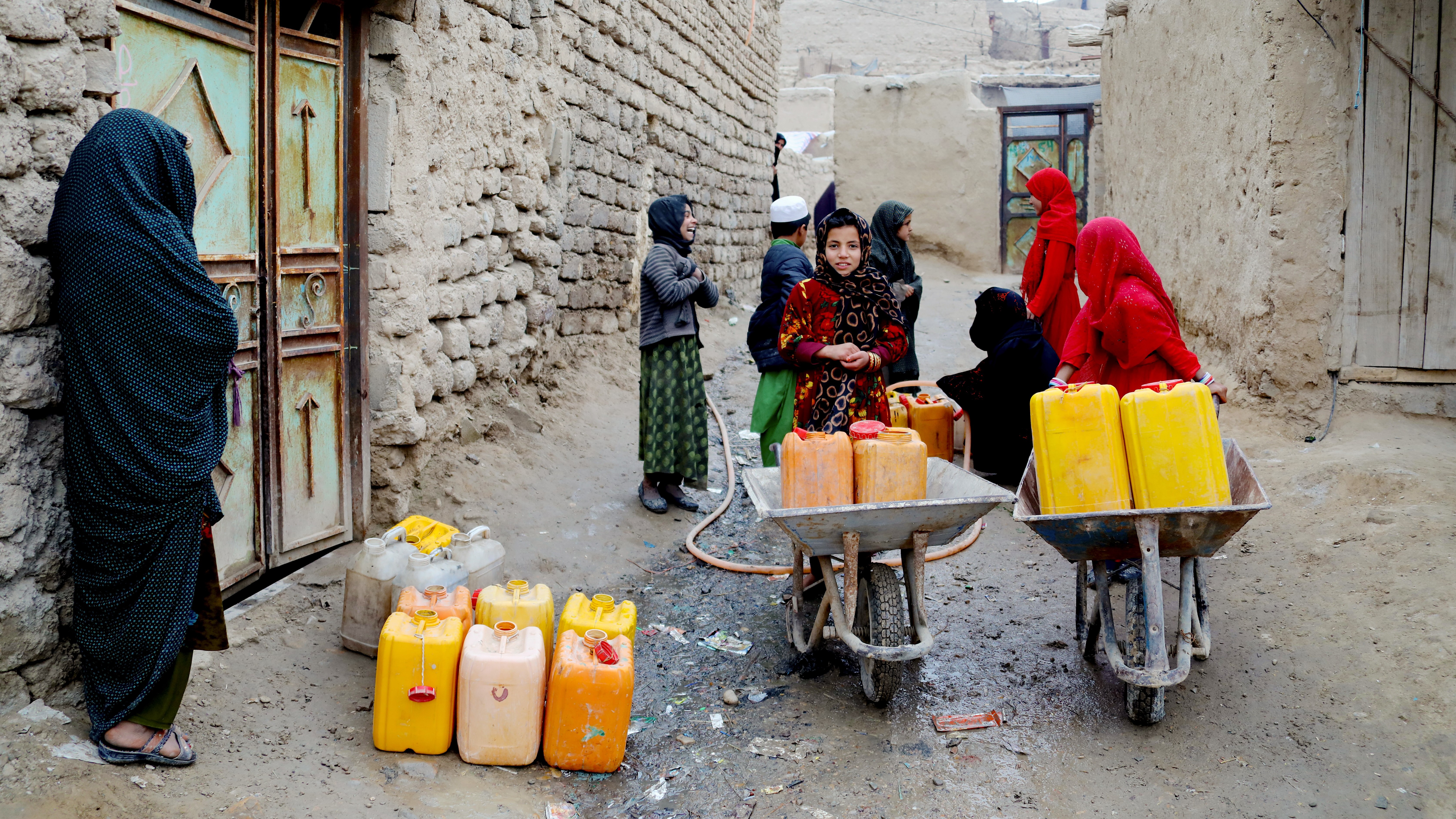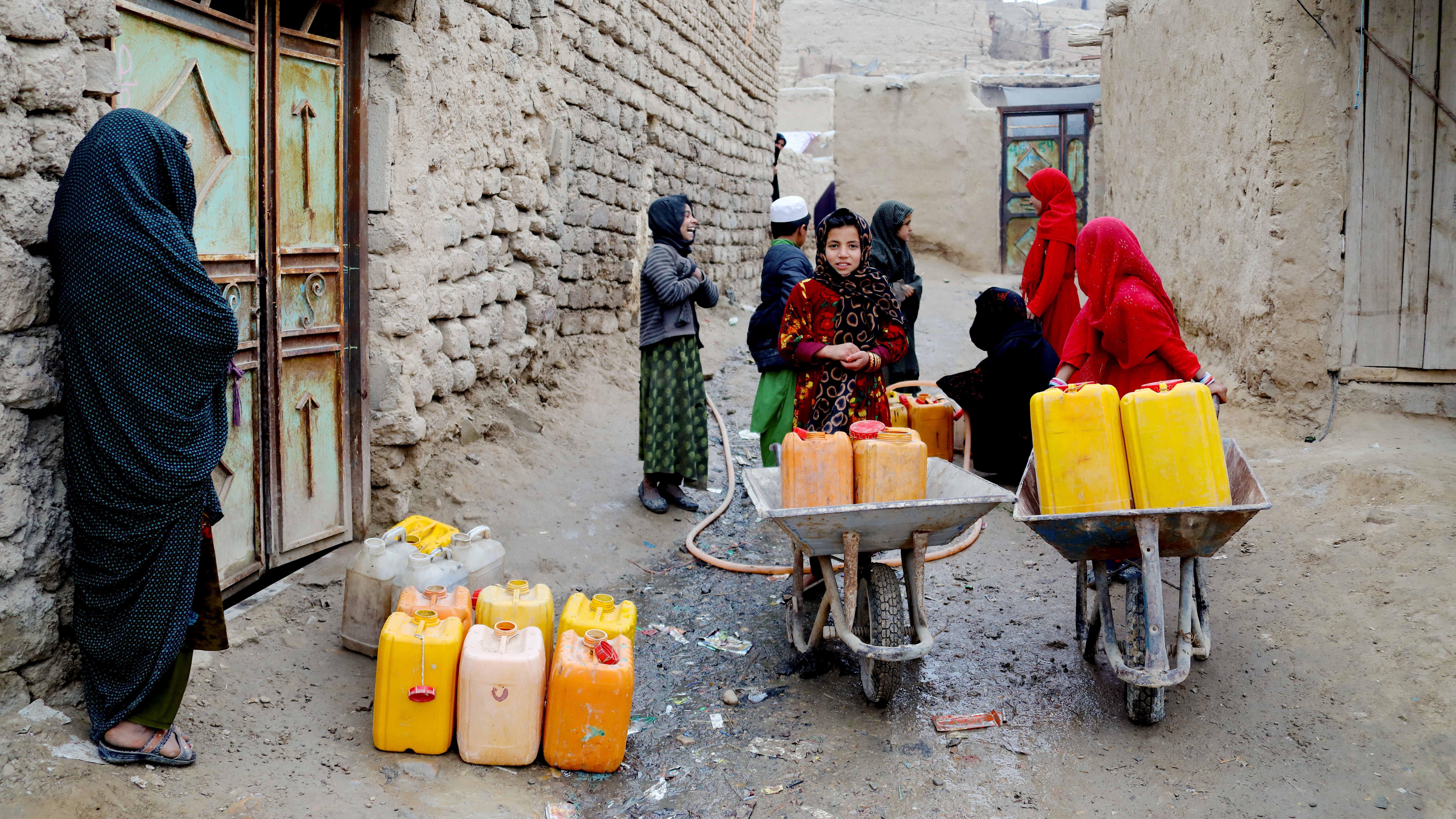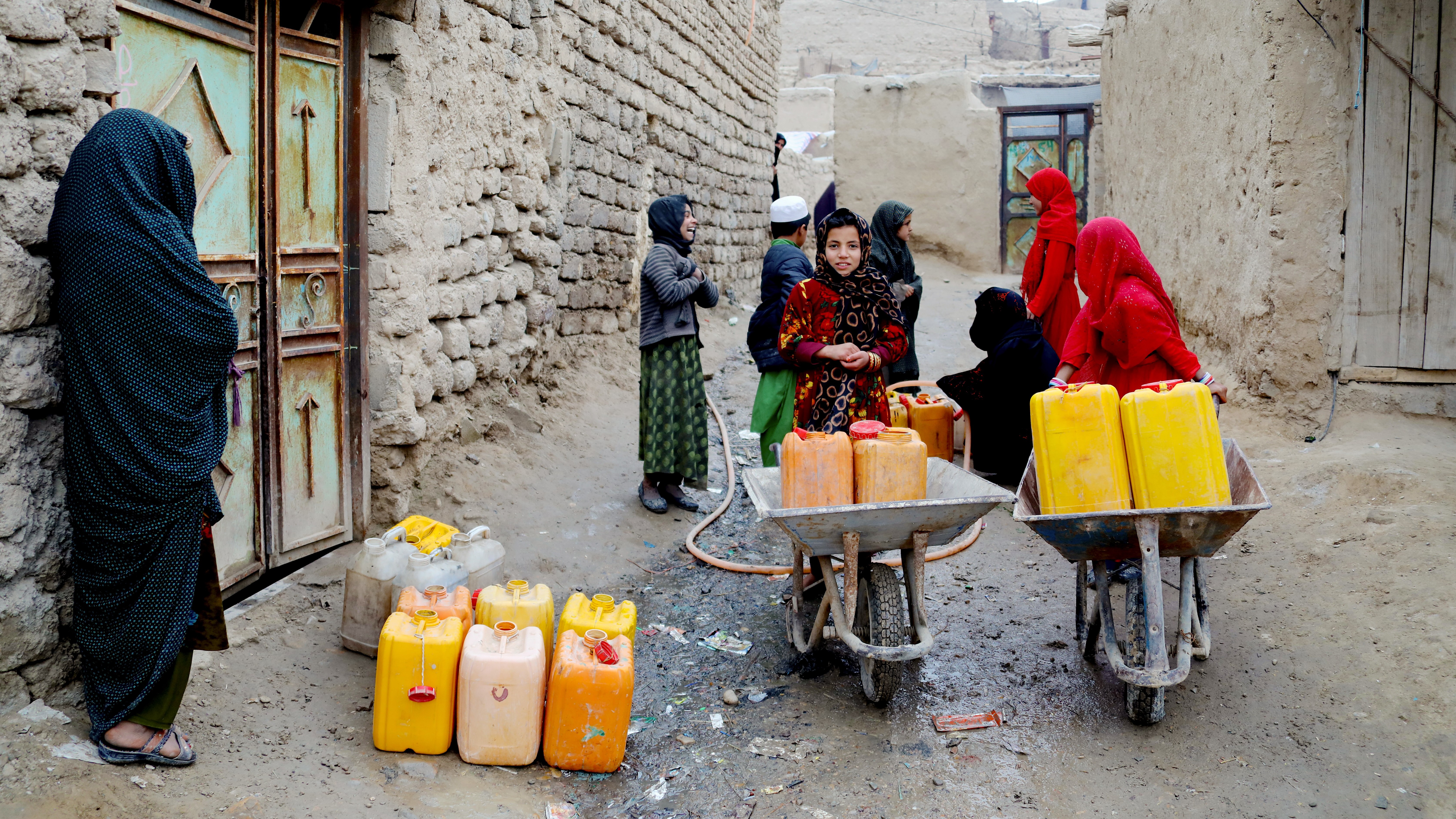
The Kabul Tribune (KT) — More than 5.3 million people in Afghanistan who were targeted for clean water, sanitation and hygiene assistance have yet to receive support this year, as funding shortages, drought and disease risks strain humanitarian operations, according to a new report.
The Afghanistan Water, Sanitation and Hygiene Cluster said
2.43 million people had received assistance as of the end of July, out of 7.8
million targeted for support.
The cluster, which is co-led by UNICEF and the Danish Committee
for Aid to Afghan Refugees, or DACAAR, coordinates humanitarian organizations
providing safe drinking water, sanitation facilities, toilets and hygiene
supplies across Afghanistan.
In July alone, 212,498 people received assistance through
organizations reporting to the cluster. The figures also include some aid
provided to returnees at border crossings and transit centers outside the
broader humanitarian response plan.
More than 252,800 people received sufficient safe water for
drinking, cooking and personal hygiene during July, according to the report.
But humanitarian organizations warned that persistent
funding shortages and administrative constraints are limiting their ability to
reach communities in need.
Drought conditions and the risk of acute watery diarrhea
outbreaks are adding to pressure on Afghanistan’s already strained water and
sanitation systems. The large-scale return of Afghans from Pakistan and Iran is
also increasing demand for basic services in communities with limited
resources.
Balkh recorded the largest number of people receiving
assistance during the reporting period, followed by Sar-e-Pul and Nangarhar.
Kandahar and Nuristan were also among the provinces with relatively high
numbers of beneficiaries.
More than 140,000 beneficiaries were classified as
vulnerable people with humanitarian needs, while more than 65,000 were affected
by slow-onset natural disasters. Aid also reached people affected by
sudden-onset disasters and undocumented returnees.
The WASH Cluster called for sustained donor funding and
stronger operational partnerships to ensure vulnerable communities have timely
access to safe water, sanitation and hygiene services.
The cluster said its national leadership team recently
conducted a field mission to Kandahar to assess the response to acute watery
diarrhea and the arrival of returnees from Pakistan.
Humanitarian organizations are coordinating their response
through national and regional mechanisms, including an acute watery diarrhea
task force and border-response mechanisms.
Without adequate funding, the cluster warned that
humanitarian organizations will face increasing difficulty providing basic
water, sanitation and hygiene services to millions of Afghans who remain in
need of assistance.