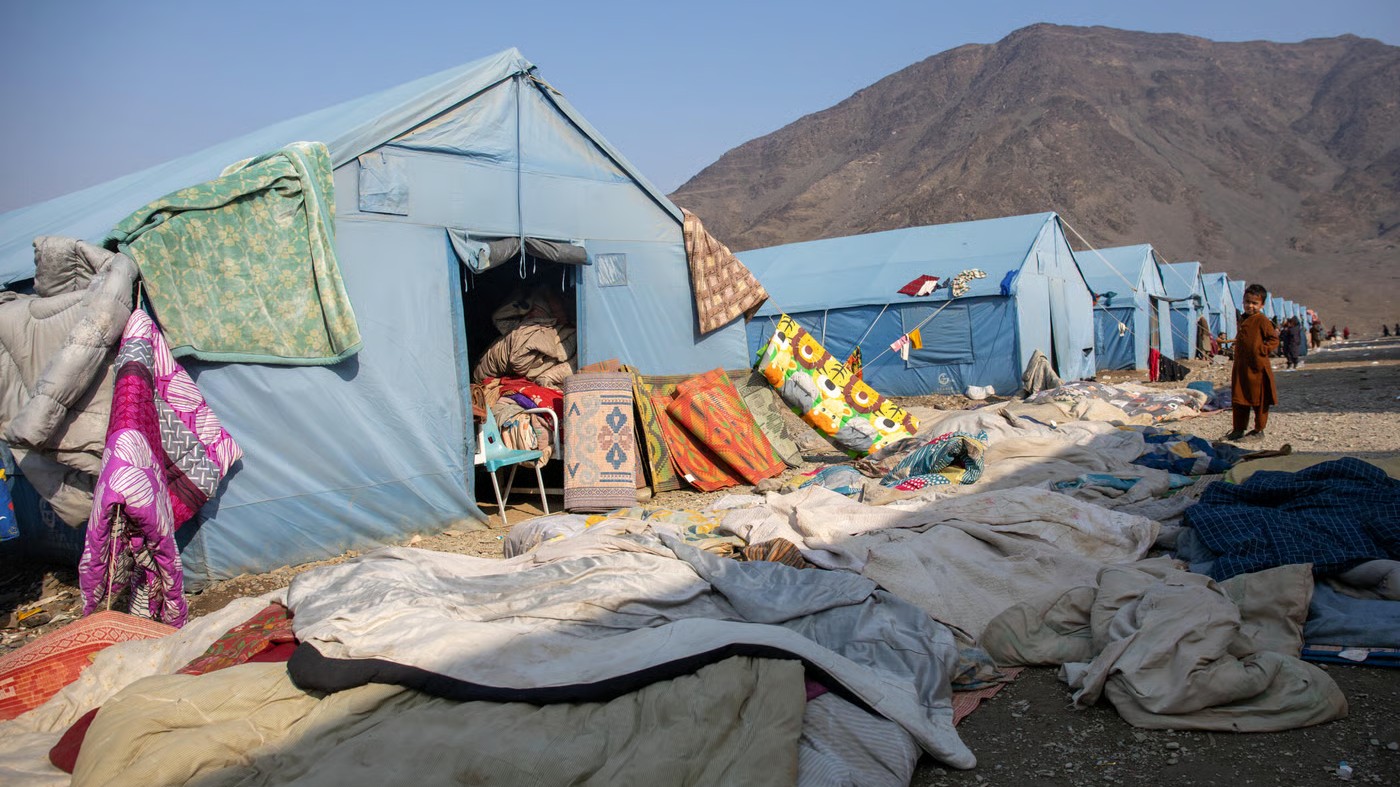
The Kabul Tribune (KT) — International funding for Afghanistan’s humanitarian response has fallen sharply over the past five years, dropping from 96% in 2021 to 42% in 2025, while only 26% of the funds needed for this year have been provided, the Norwegian Refugee Council said.
The funding shortfall comes as more than 6 million Afghans
have returned from neighboring countries since late 2023, adding pressure to
communities already struggling with poverty, climate shocks and economic
difficulties.
The decline in funding is forcing humanitarian organizations
to scale back food, water, shelter and health assistance despite continued high
levels of need, the NRC said in a statement marking five years since the
Taliban returned to power.
“NATO countries have forgotten their solemn promises to
Afghan girls and boys and turned their backs on Afghan civilians,” Jan Egeland,
the NRC’s secretary general, said.
Egeland said humanitarian organizations were facing growing
needs with fewer resources, while Taliban restrictions on women and girls have
continued to expand.
“A growing funding gap is forcing humanitarian organizations
to scale down food, water, shelter and medical assistance to homeless and
starving Afghan families,” he said.
Millions return amid shrinking aid
The return of more than 6 million Afghans from neighboring
countries has further strained humanitarian resources, according to the NRC.
Many returnees have arrived with few financial resources and limited
opportunities to find work. The organization said as many as 73% of returnees
remain unemployed.
“Shelter and livelihood support remains among the most critical needs of returnees,” Egeland said. “Shrinking aid funding means that many families are left without a proper roof over their heads, and are struggling to feed their children.”
The Taliban have proposed distributing land plots to
returnees as a central part of their response. But the NRC said the scale of
the returns, complicated distribution procedures, insufficient investment and a
lack of essential services were making reintegration difficult.
The humanitarian pressures extend beyond the returnee
crisis. Recurring climate shocks and regional tensions have added to the strain
on communities, while Taliban restrictions have sharply limited opportunities
and public participation for women and girls, the NRC said.
NRC calls for renewed international support
The NRC warned that the decline in international assistance
could worsen food insecurity, homelessness and other humanitarian needs across
Afghanistan.
The organization called for increased development investment
to support livelihoods and longer-term economic recovery. It also urged
international governments to engage with the Taliban to ensure that political
disputes do not disrupt humanitarian assistance and basic services.
Egeland said continued international engagement was
necessary to help vulnerable Afghans rebuild their lives.
Five years after the Taliban takeover and the withdrawal of
Western forces, the NRC said the widening gap between Afghanistan’s
humanitarian needs and available resources is leaving aid organizations
increasingly unable to provide assistance on the scale required.