The Kabul Tribune (KT) — The U.N. Office for the Coordination of Humanitarian Affairs (OCHA) said climate-related shocks, poverty, hunger and restrictions on women and girls continue to deepen humanitarian challenges for millions of people in Afghanistan.
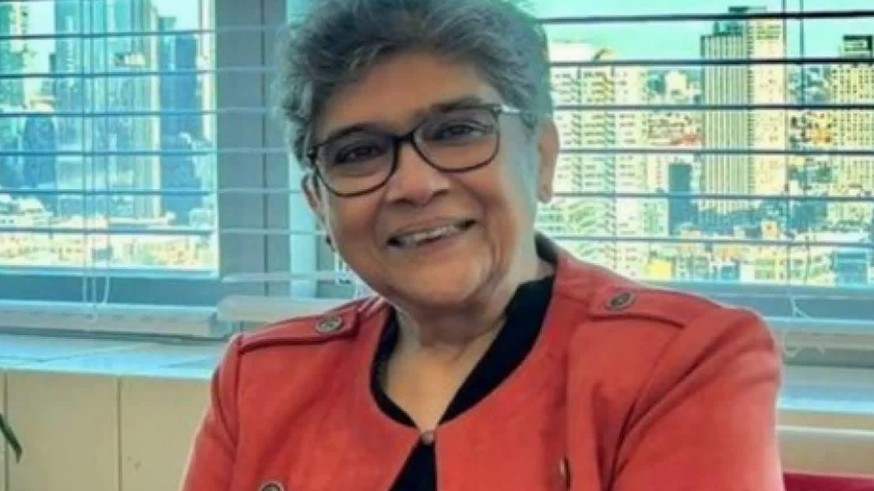
Olga Cherevko, OCHA’s spokesperson in Afghanistan, told
journalists at U.N. headquarters from Kabul that the humanitarian community
would continue efforts to save lives and protect vulnerable people, but warned
that humanitarian assistance alone could not resolve the country’s underlying
challenges.
Cherevko said Afghanistan remains among the countries most
vulnerable to climate shocks, with recent flash floods in Nuristan province
striking communities already struggling with poverty and food insecurity.
“Families told me they had lost their loved ones,
livelihoods and everything they owned,” she said.
Humanitarian organizations responded by providing shelter,
food, healthcare, safe water, protection and psychosocial support to affected
communities, according to OCHA.
Cherevko also said restrictions affecting women and girls
continue to influence nearly every aspect of daily life in Afghanistan.
“With every new restriction, women are pushed even further
out of public life,” she said.
Although the security situation has improved in many parts
of the country, Cherevko warned that continued hostilities, particularly in
border areas, are taking a toll on civilians. Unexploded ordnance also remains
a serious threat, she said.
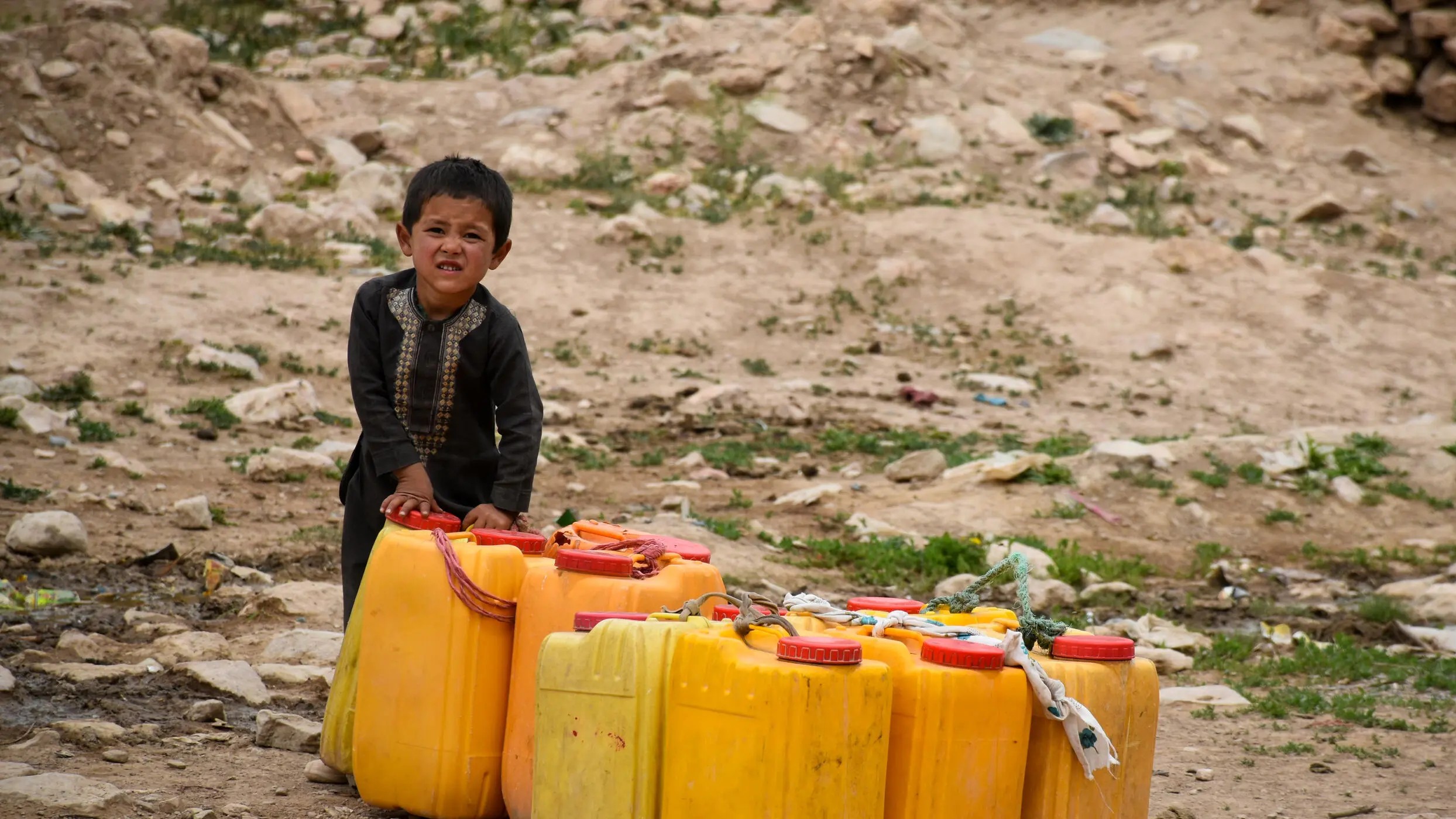
She further warned of alarming levels of malnutrition in
several parts of Afghanistan, particularly among young children, saying
prevention efforts were becoming increasingly important as funding and supply
shortages put more lives at risk.
OCHA Warns of Education Risks in Gaza and West Bank
OCHA also said civilians in Gaza remain at risk as shootings
and other military attacks continue, including around locations being used for
education.
The agency said a sixth-grade student was injured by a
bullet in a tented classroom in Gaza City and was taken to a hospital.
OCHA also reported that Israeli forces had demolished homes
and the last remaining school in a former four-school compound in Beit Lahia.
In the West Bank, Israeli authorities demolished parts of a
school in the Masafer Yatta area of southern Hebron, where more than 1,000
Palestinians are facing pressure to leave, according to OCHA.
More than 80 Palestinian schools across the West Bank are
currently subject to demolition or related orders, the agency said.
Education partners have reached more than 60,000 students in
the West Bank this year through remedial and catch-up programs. They have also
rehabilitated 30 schools and provided transportation assistance and other
protective measures to more than 2,600 students and education personnel in
high-risk areas.
However, OCHA said education programs remain severely
underfunded, with just over 10% of the required funding secured this year.
OCHA: Global Support Needed for Venezuela Recovery
In Venezuela, OCHA said humanitarian assistance has
continued to expand more than five weeks after devastating earthquakes.
More than 200,000 people have received humanitarian
assistance and essential services through efforts by the United Nations,
humanitarian organizations, local communities and authorities.
The assistance includes hot meals, healthcare, safe water,
shelter, legal and psychological support for women, children and other
vulnerable groups.
The Venezuelan government and humanitarian partners have
also launched a needs assessment to guide recovery, reconstruction and
development efforts.
According to the latest figures from Venezuelan authorities,
more than 6,100 people have been killed and more than 24,000 remain in
temporary camps.
OCHA said Venezuela’s Humanitarian Response Plan is
currently 42% funded and warned that sustained international support will be
necessary to maintain assistance as affected communities begin the long process
of recovery.