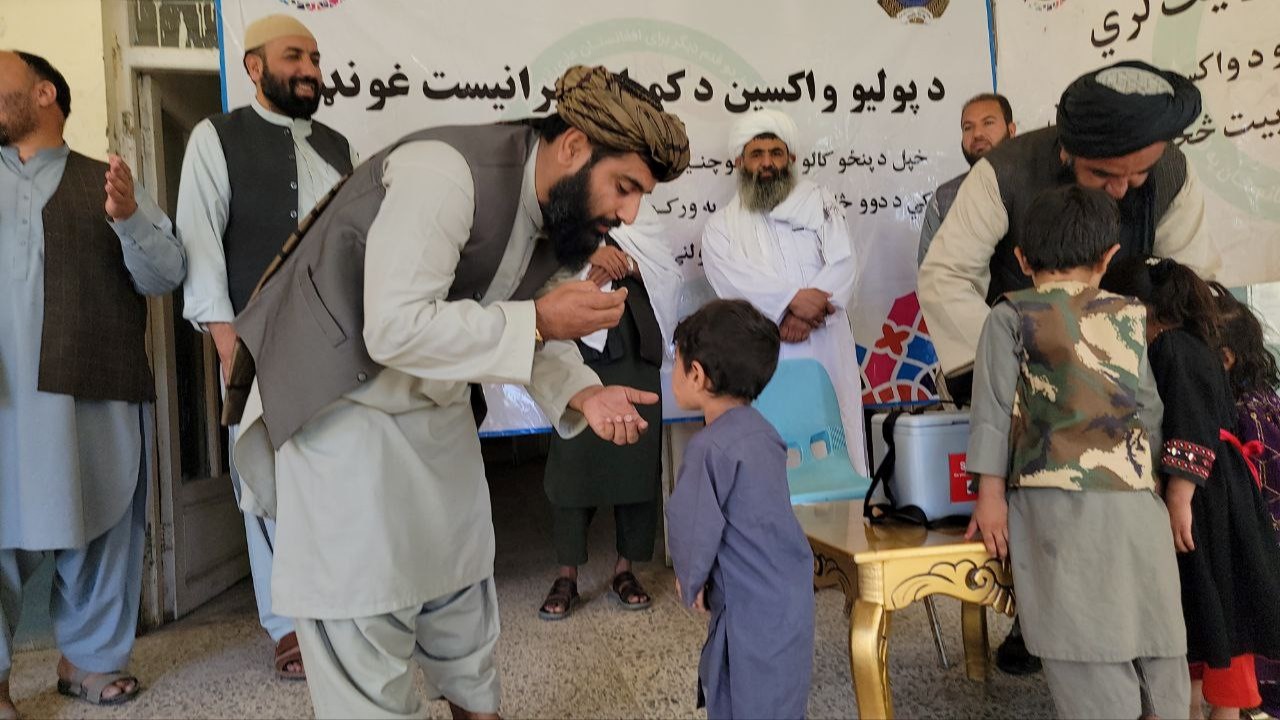
The Kabul Tribune (KT) — About 30 percent of children in southern Uruzgan province remain unvaccinated due to public resistance, misinformation and logistical challenges, local health officials said, raising concerns about the potential spread of preventable diseases.
Childhood immunization programs are widely regarded as one
of the most effective tools to prevent infectious diseases and save lives. In
Afghanistan, where decades of war, instability and poverty have severely
weakened the health care system, vaccination efforts continue to face
significant obstacles.
Despite ongoing vaccination campaigns against polio, measles
and other life-threatening diseases — supported by international organizations
— many children remain at risk because they have not received routine
immunizations, health authorities said.
An official from the vaccination department at the Uruzgan
Public Health Directorate, who spoke on condition of anonymity, told The Kabul
Tribune that health teams vaccinated about 306,000 children under the age of 5
during vaccination campaigns in early 2026.
However, thousands of children — accounting for roughly 30
percent of the target population — were left out of the campaigns.
“The main reasons are low public awareness, limited access
to some remote areas and interruptions in house-to-house vaccination efforts,”
the official said. “This situation increases the risk of outbreaks of diseases
such as polio.”
A source from the United Nations children’s agency, UNICEF,
echoed these concerns, citing weak public awareness, lack of cooperation from
some families and limited government resources as key factors behind the
shortfall.
According to the source, out of an estimated 306,000
eligible children in the province, about 226,800 — roughly 70 percent — have
been vaccinated. If the situation persists, more children could miss out on
immunization, increasing the likelihood of disease outbreaks among children,
the source warned.
Some residents in Uruzgan also acknowledged the challenges.
Haji Mohammad Nabi, a provincial resident, said many families in remote areas
hold misconceptions about vaccines, particularly the polio vaccine.
“Public awareness is very low,” he said. “Some families
refuse to vaccinate their children, claiming the vaccines are harmful or part
of a foreign plan. The government needs to increase awareness campaigns.”
Health experts stress that refusing vaccination can have
serious consequences. Dr. Sayed Ahmad, a public health specialist, said
families who do not vaccinate their children leave them vulnerable to dangerous
diseases.
“Vaccination is the safest and most effective way to
strengthen a child’s immune system,” he said. “Unvaccinated children are at
risk of contracting polio, measles, tetanus and other deadly diseases. They can
also transmit infections to other children and adults, posing a serious threat
to the wider community.”
Meanwhile, officials at the provincial emergency vaccination
center said efforts are ongoing to expand outreach and improve public awareness
across the province. Dr. Bakht Mohammad Mostafa said authorities regularly
conduct awareness programs through various channels and plan to continue these
initiatives in an effort to ensure that all eligible children receive vaccines.
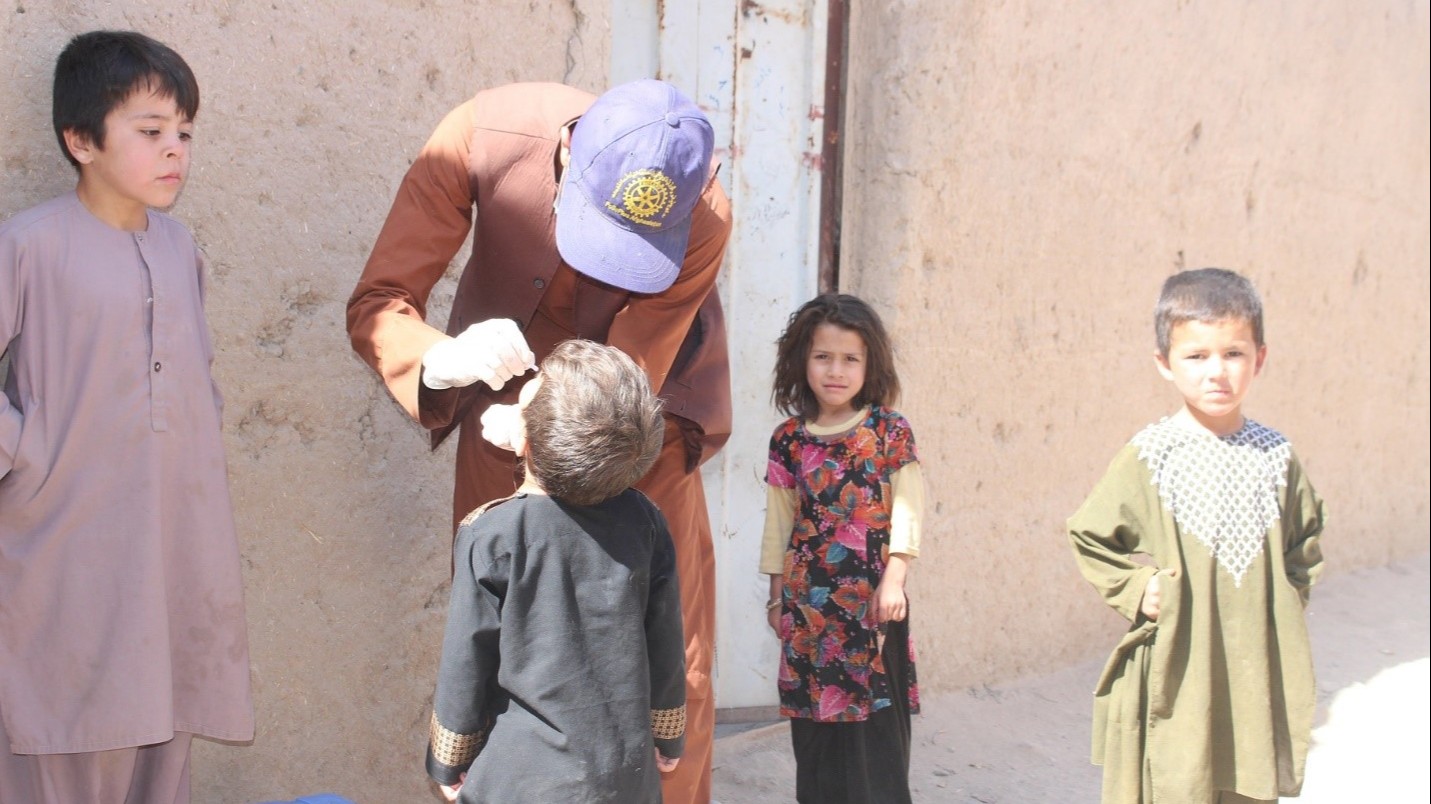
The photo was taken during a polio campaign in Uruzgan province.
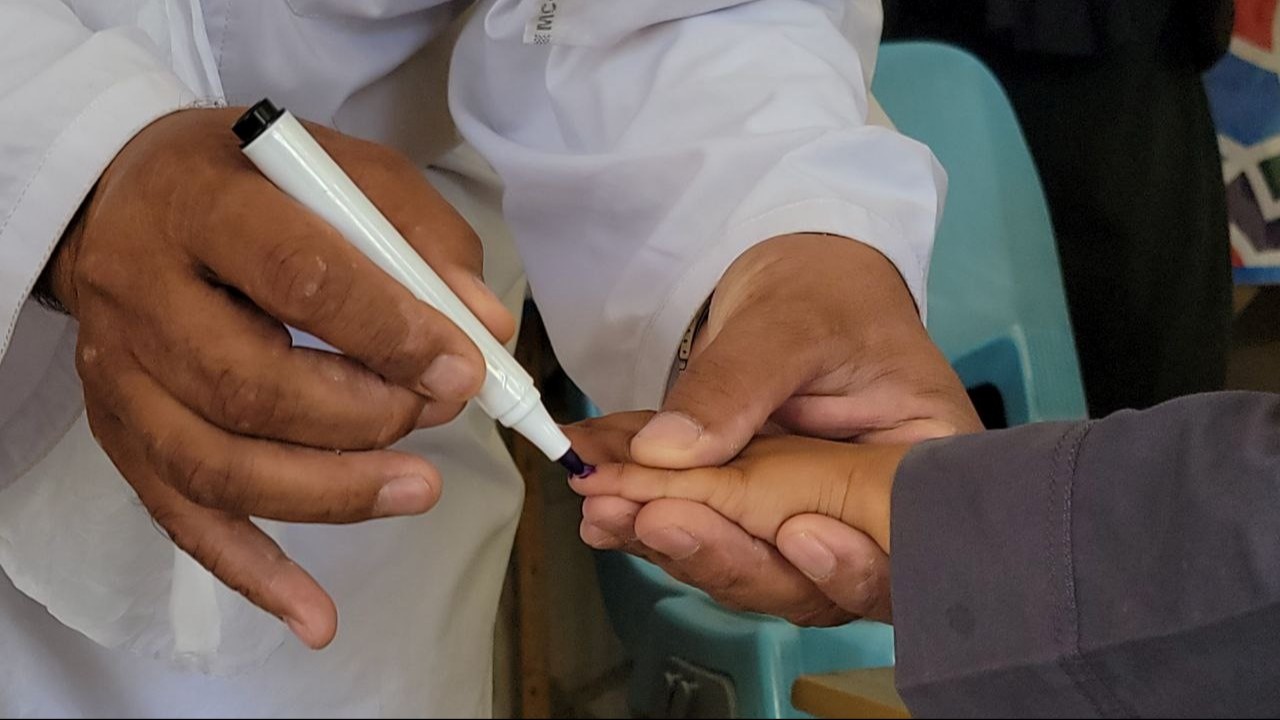
The photo was taken during a polio campaign in Uruzgan province.
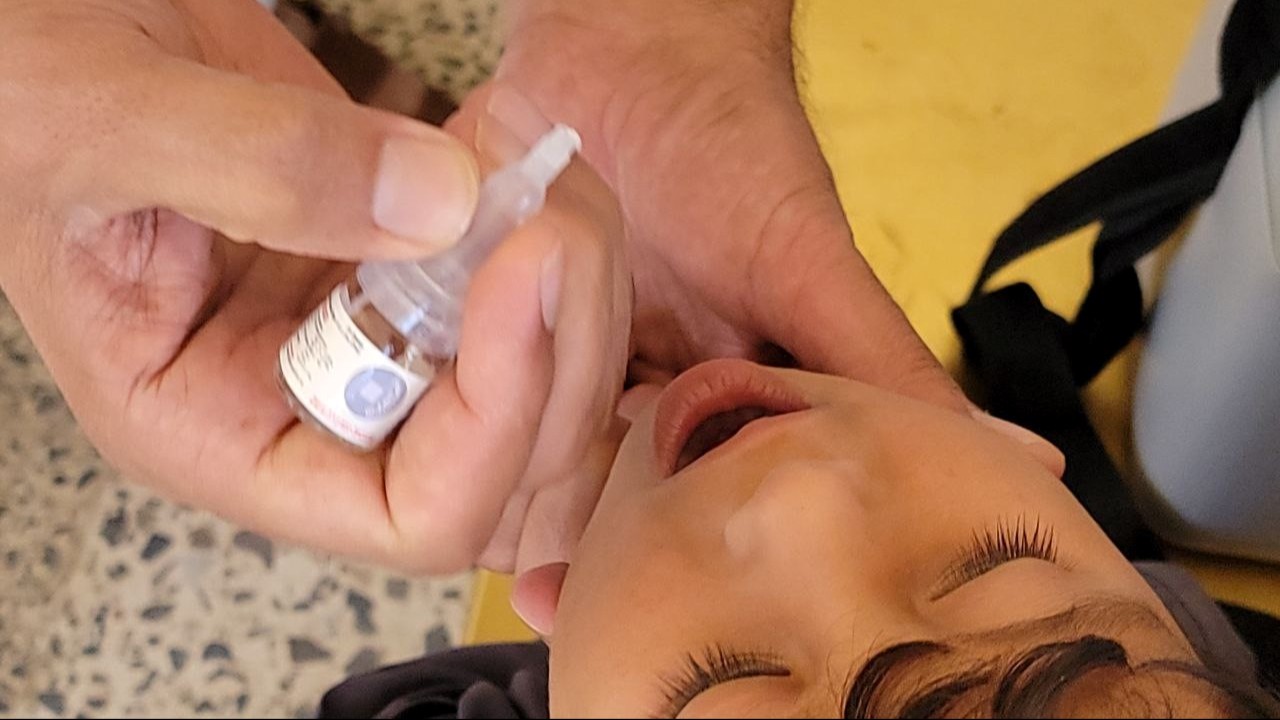
The photo was taken during a polio campaign in Uruzgan province.
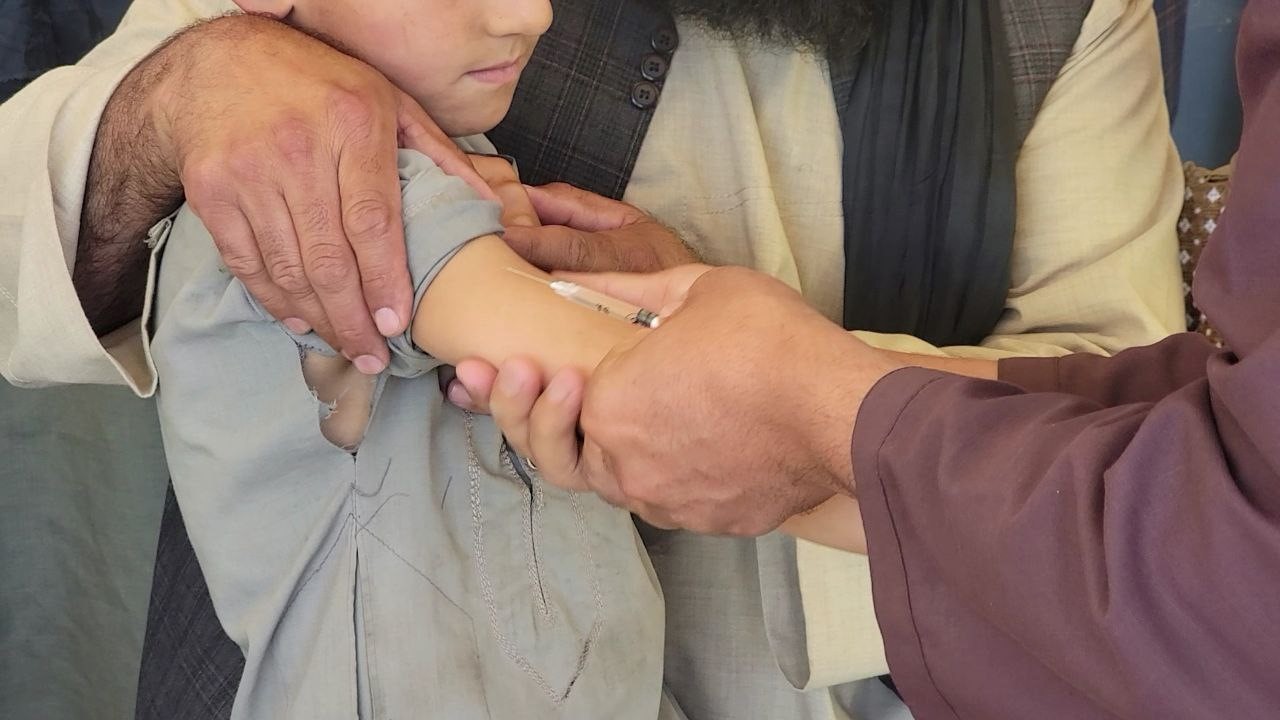
The photo was taken during a polio campaign in Uruzgan province.





