The Kabul Tribune (KT) — The human rights situation in Afghanistan continued to deteriorate between October and December 2025, according to a United Nations report, with widespread restrictions on women, public executions, judicial corporal punishment, and abuses against former government officials and security personnel.
The report, issued by UNAMA’s Human Rights Service, is based
on monitoring conducted under the UN Security Council mandate. It details
violations ranging from restrictions on women’s access to education and
healthcare to public floggings and extrajudicial killings.
Women’s Rights and Education
Since Sept. 7, the de facto authorities have barred Afghan
women, including UN staff and visitors, from entering UN premises nationwide.
By Dec. 31, it had been 115 days since any Afghan women were permitted entry.
Female UN staff continue to work from home while advocacy efforts press for the
restrictions to be lifted.
Women have been banned from higher education since Dec. 20,
2022, and from medical studies since Dec. 2, 2024. In November 2025, no women
were allowed to take part in the medical student graduation examinations.
Restrictions on Movement and Dress in Herat
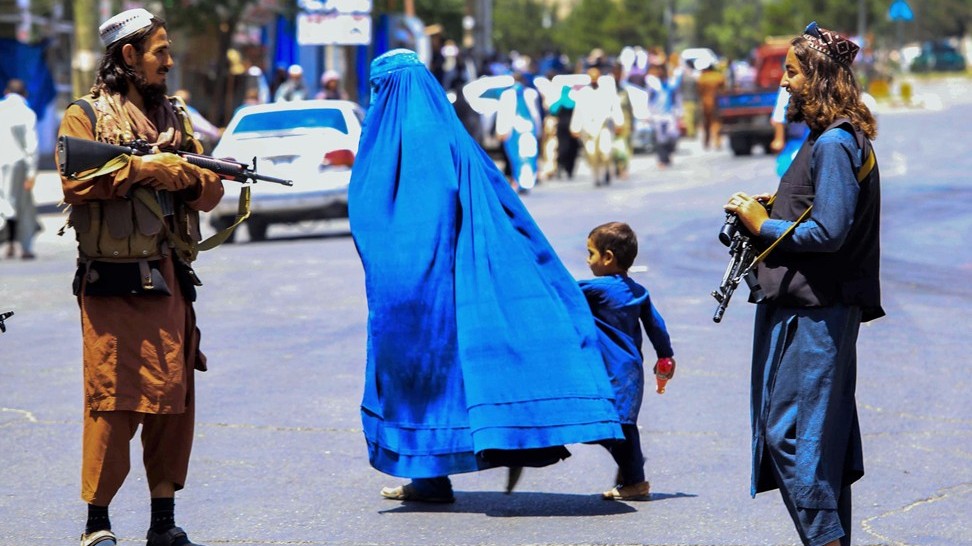
In Herat province, the de facto Department for the
Propagation of Virtue and Prevention of Vice carried out campaigns in May,
September, and November requiring women to wear chadors or burqas in public.
Women not wearing the mandated dress were prevented from accessing public
transportation, markets, hospitals, clinics, government offices, and wedding
halls.
Authorities have also restricted women’s movement in other
provinces. For example, in Zabul women were barred from morning walks, in
Uruzgan women could not travel by taxi or minibus without a male guardian, and
in Kandahar shopkeepers were instructed not to sell to women without a mahram.
Healthcare and Employment
De facto officials continued to make unannounced visits to
healthcare facilities in Kandahar and Uruzgan, instructing staff that women
without male guardians could not access services, effectively limiting healthcare
access for women and preventing female healthcare workers from reporting to
work.
The operation of women-run beauty salons also remained
banned, with arrests and threats reported. The ban has been in place since July
25, 2023.
Gender-Based Violence
Between Oct. 3 and Dec. 31, the de facto Ministry for the
Propagation of Virtue and Prevention of Vice claimed to have resolved 806
women’s rights-related cases, including domestic violence, inheritance
disputes, forced marriages, and divorce. UNAMA documented numerous incidents of
gender-based violence, including forced marriages, in violation of the 2021
women’s rights decree.
Public Executions and Corporal Punishment
During the reporting period, the de facto authorities
carried out at least two public executions. On Oct. 16 in Badghis province, a
man convicted of murdering two people was executed by a family member at a
sports stadium. On Dec. 2 in Khost province, a man convicted of murdering 13
family members was executed, reportedly by a boy under 18. These were the 12th
and 13th judicially sanctioned public executions since the Taliban takeover in
2021.
Judicial corporal punishment continues on a weekly basis.
Between Oct. 1 and Dec. 31, UNAMA documented at least 287 public floggings,
including 30 women, three boys, and one girl, often alongside prison sentences.
Targeting of Former Government Officials and Security
Personnel
UNAMA documented at least 28 instances of arbitrary arrest
and detention, seven instances of torture or ill-treatment, and 14 killings of
former Afghan government officials and security forces personnel. Many victims
had recently returned to Afghanistan from Iran and Pakistan. For example, two
men linked to the former government were shot in Parwan province on Dec. 9.
Restrictions on Media and Freedom of Expression
De facto authorities restricted media freedom, including
ordering Shamshad Television to halt broadcasts from Oct. 17-19. The ban on
images of humans and animals expanded across the country, affecting both state
and private media in various provinces.





