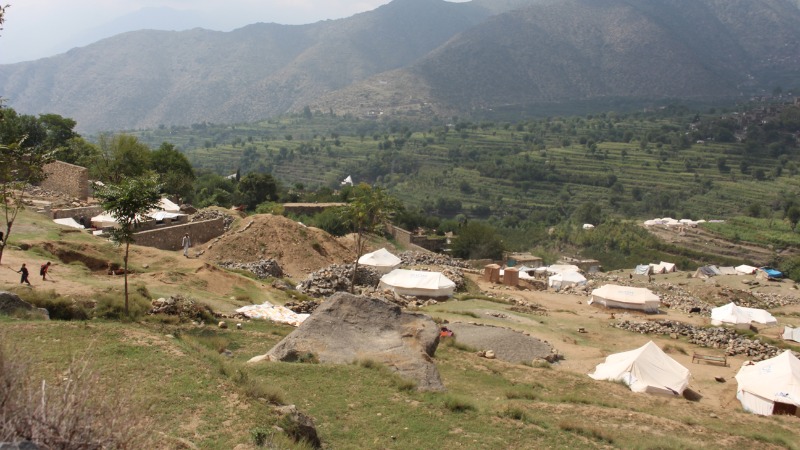
More than 445 square kilometers of irrigated farmland are at
risk, while over 500,000 animals face disease and starvation after their
shelters and feed supplies were destroyed, FAO reported. Families who once
relied on crops, milk and meat now struggle to feed their children.
Communities have appealed for urgent help to restore
veterinary services, rebuild shelters and restock livestock. FAO said that
through its network of private Veterinary Field Units, it has treated and
vaccinated more than 1,100 surviving animals and safely disposed of over 5,600
carcasses in Kunar province to prevent disease outbreaks and water
contamination.
“It takes about three to three and a half hours on foot to
reach the site and bury the animals,” said Shamsher, a livestock keeper in
Kunar. “But FAO teams are here, helping us.”
The agency said it plans to launch cash-for-work programs to
rebuild livestock shelters, providing income for local laborers and helping
communities prepare for winter. FAO has appealed for $23.4 million to deliver
lifesaving agricultural assistance and prevent deeper hunger through 2026.
A joint United Nations rapid assessment is underway to
measure the full extent of damage and guide recovery efforts, with FAO leading
the agriculture component.
“Every day counts to protect food, livelihoods and dignity
for farming families who have already endured so much,” FAO said.





