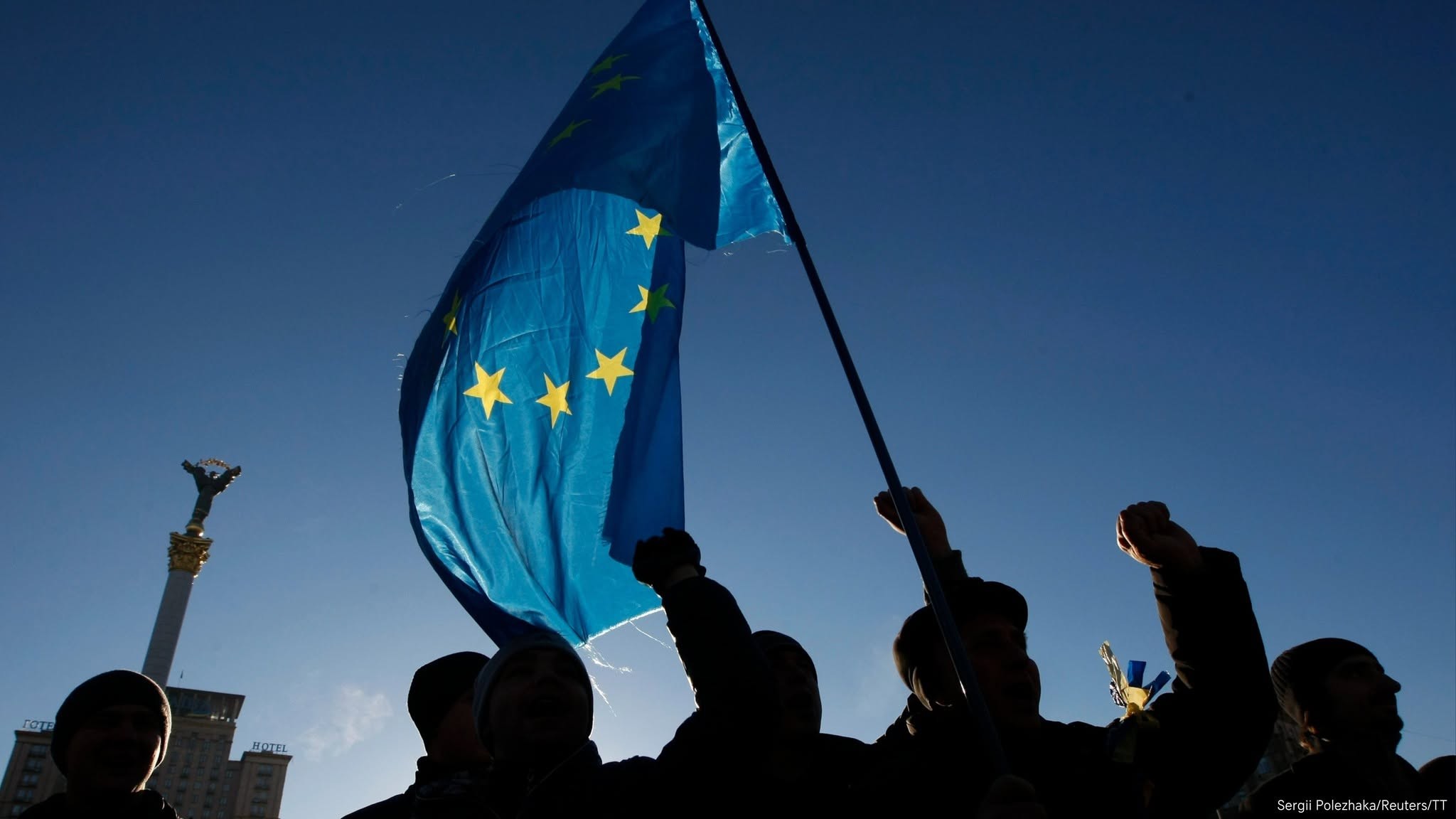
The Kabul Tribune (KT) — The European Union has no plans to normalize relations with the Taliban or recognize their administration in Afghanistan, despite limited technical engagement over the return of Afghan migrants, the bloc’s new special envoy for Afghanistan, Thomas Frellesen, said.
In an interview with Radio Free Europe/Radio Liberty’s Radio
Azadi, Frellesen said a meeting between Taliban representatives and European
Commission officials in Brussels in June was intended to address practical
arrangements for the return of Afghan migrants and ensure a coordinated
approach among EU member states.
He stressed that the meeting did not represent a change in
the EU’s position toward the Taliban.
“There’s no normalization of relations between the EU and
Afghanistan, and it doesn’t reflect any kind of recognition or legitimization
of the de facto authorities,” Frellesen said.
The discussions concerned the readmission of Afghans
convicted of serious criminal offenses, an issue that has raised concerns among
several EU member states, he said. Decisions on individual returns remain the
responsibility of member states and must comply with EU and international law.
Frellesen said the number of Afghans expected to be returned
from the EU was currently “very, very limited,” but declined to provide specific
figures.
He also said all deportations must respect fundamental
rights, including the principle of non-refoulement, which prohibits returning
people to countries where they face a real risk of harm. His comments came in
response to concerns raised by U.N. human rights experts about the dangers
Afghans could face if sent back.
Frellesen, who took up his post in October, said the rights
of women and girls remain a top EU priority in its engagement with Afghanistan.
He said he had raised the issue during a recent visit to Kabul and meetings
with Taliban authorities.
The EU has maintained its presence in Afghanistan since 2021
and provided more than 2 billion euros ($2.2 billion) in assistance over the
past five years, he said, adding that the aid is guided by the principle of
being “by women, for women.”
On the security situation, Frellesen said counterterrorism
is among the EU’s top three priorities concerning Afghanistan. He expressed
concern that Islamic State-Khorasan Province remains active despite Taliban
operations against the militant organization.
The EU closely monitors the situation through its delegation
in Afghanistan and relies on reports from the United Nations, including the
latest report by the U.N. sanctions-monitoring team published in August, he
said.
Frellesen also cited reports of other militant groups
operating in Afghanistan and said the presence of such organizations remains a
major concern for the EU and regional partners.
He warned that poverty and lack of livelihoods could make
vulnerable people more susceptible to recruitment by militant groups. He also
expressed concern over tensions between Afghanistan and Pakistan, saying
instability along the border could create areas where militant groups operate
more freely.
The EU is supporting countries seeking to mediate between
Kabul and Islamabad, he said.
Frellesen also voiced concern over a reported increase in
opium production in Afghanistan. Referring to a U.N. Office on Drugs and Crime
report, he said production had begun to rise again after the Taliban’s ban on
poppy cultivation initially reduced output.
He said the ban alone was not enough to address the problem
because farmers needed alternative sources of income to support their families.
The EU has been involved in livelihood programs, he said, but added that
Taliban authorities must also provide resources and demonstrate their ability
to support people in affected regions.