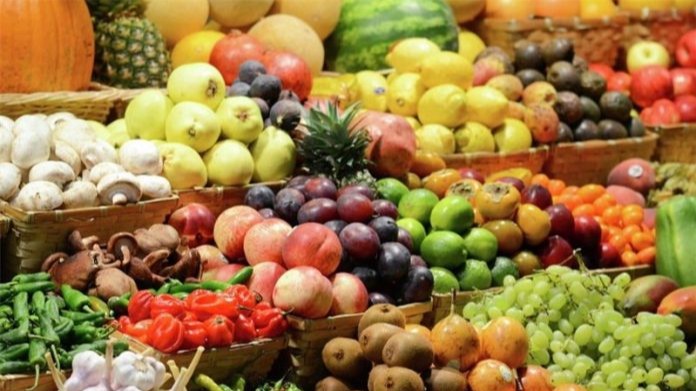
Kabul Tribune (KT) — Afghanistan’s exports shipped through Central Asia more than doubled in value between April and September 2026, but fresh fruit exports to all markets plunged 88% by weight as the closure of key border crossings with Pakistan disrupted trade, the World Bank said.
Afghanistan shipped $210 million worth of goods through
Central Asia during the six-month period, compared with a year earlier. The
region also accounted for 42.2% of Afghanistan’s imports by value in the six
months to September, up from 27.2% a year earlier, according to the World
Bank’s November Afghanistan Development Update.
The shift followed the closure of major border crossings
with Pakistan in October 2025, which redirected more imports through Central
Asian countries.
Kazakhstan, for example, sold $215.6 million worth of flour
to Afghanistan in the first seven months of 2026. The country is also exploring
railway routes through Afghanistan to reach ports in Pakistan and expand
regional trade links.
But the shift in trade routes has done little to offset the
losses for Afghan farmers and exporters of fresh produce.
Before the border closures, Pakistan bought 96% of
Afghanistan’s fresh fruit exports by weight. The World Bank said alternative
routes recovered only 9% of the lost export volume for fresh fruit and none for
vegetables.
The bank estimated that about 490,000 metric tons of fresh
produce lost their export markets over six months. Afghanistan’s overall food
exports fell from 745,000 tons to 200,000 tons, a decline of about 73%.
The disruption has been particularly damaging for low-value
crops such as grapes and melons, which sell for about 28 to 31 cents per
kilogram. The cost of air freight or transporting the produce over longer
distances by road makes it difficult for Afghan exporters to reach more distant
markets, the World Bank said.
The border with Pakistan remained closed as Afghan farmers
harvested apples and pomegranates. An October assessment by the Famine Early
Warning Systems Network (FEWS NET) cited field reports indicating that the
fruit harvest was larger than the previous year.
Although sales to Central Asian markets helped support the
prices farmers received, the loss of trade with Pakistan continued to reduce
agricultural incomes, the assessment said.