Kabul Tribune (KT) — Severe drought and a growing shortage of clean drinking water are threatening livelihoods across Afghanistan, forcing farmers to abandon their land and pushing vulnerable families deeper into poverty, particularly in the central provinces.
In a report published by PBS News on Monday, correspondent
Leila Molana-Allen and videographer Eric O’Connor documented the impact of
drought, economic hardship and water scarcity on communities in Bamyan, where
many families say they are struggling to secure food, clean water and basic
necessities.
Afghanistan is already facing a severe economic crisis.
Nearly three-quarters of the population were living in poverty by the end of
last year, according to the United Nations. The worsening water crisis is
adding to the pressure on households that have few resources to cope with
declining agricultural production and rising living costs.
Drought Forces Farmers to Abandon Their Land
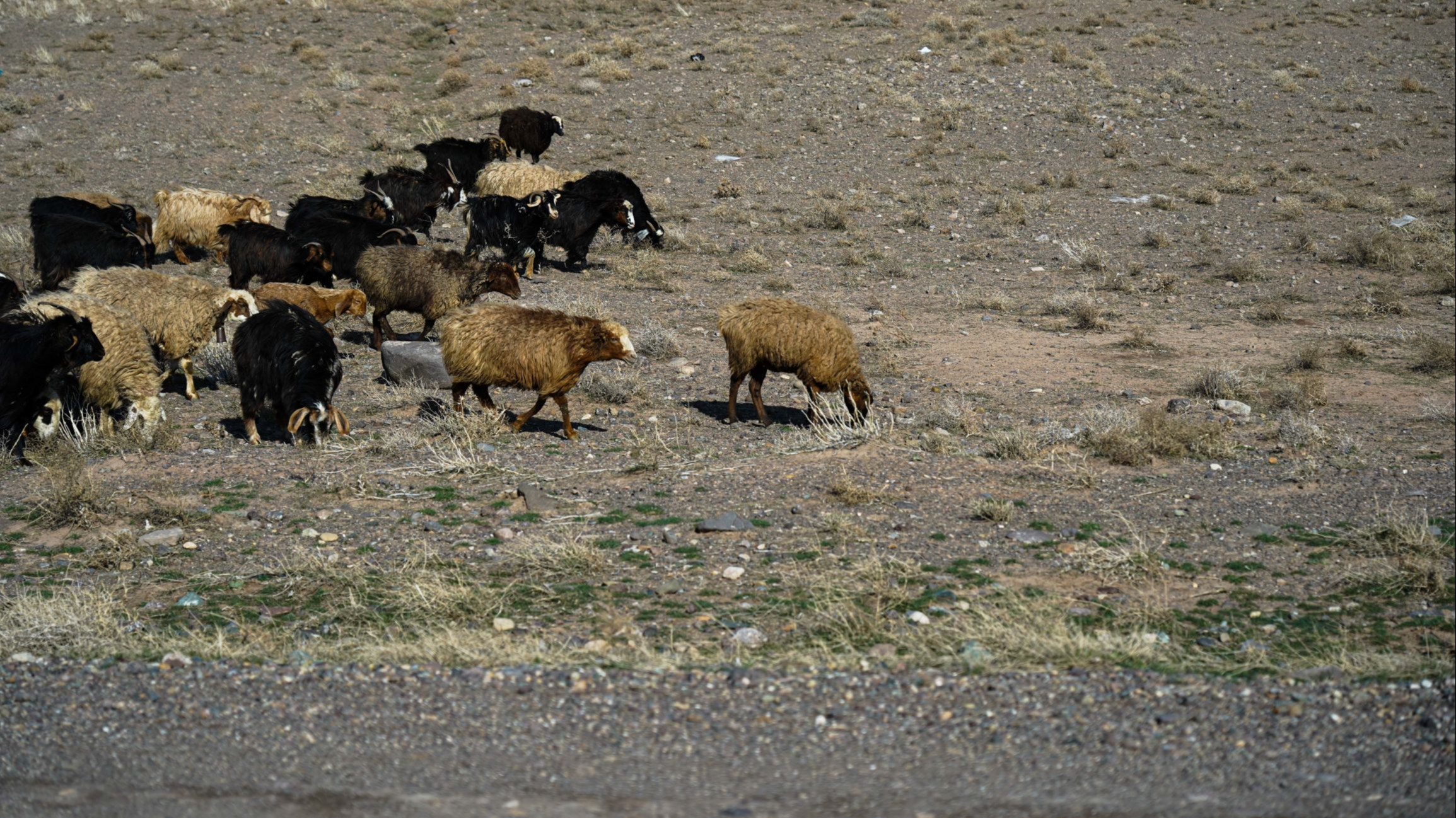
In Bamyan, once considered one of Afghanistan’s agricultural
heartlands, large areas of farmland have dried up after years of insufficient
rainfall.
Yasin, a farmer whose family has cultivated the land for
generations, told PBS News that successive droughts had destroyed several of
their fields over the past five years, leaving them with only one field.
He said his family had no harvest this year despite working
hard, adding that their livelihood depended entirely on agriculture. Some of
his neighbors have already left their villages for cities after losing the
ability to cultivate their land.
Farmers have attempted to dig irrigation canals to bring
water to their fields, but their efforts have failed. Yasin said communities needed
alternative water distribution systems but could not afford to build them
without government or humanitarian assistance.
The scale of displacement is also growing. According to
United Nations documentation cited in the report, half the residents of Yasin’s
district, Yakawlang, have left this year, while tens of thousands of people are
leaving central Bamyan.
Women Face Growing Economic Pressure
The drought is also affecting women who have traditionally
worked alongside men in agriculture.
Mah Gol, a farmer in Bamyan, told PBS News that although her
area still had some access to water, farmland in nearby communities was drying
up and crops were being damaged.
She said economic opportunities for both men and women had
declined, while restrictions under Taliban rule had further limited women's
ability to work and support their families.
Mah Gol also described growing financial pressure on
households, warning that poverty and unemployment were contributing to problems
and violence within families.
Meanwhile, a women's park and market in Bamyan that once
provided a place for women to gather and conduct business have also declined.
Benazir Ebrahimi, who founded the market, said women were
now more concerned about finding enough food for themselves and their children
than having places for recreation.
Clean Drinking Water Increasingly Unaffordable
The water crisis extends beyond agriculture, with many
families forced to spend a significant share of their income to obtain safe
drinking water.
More than half of Afghanistan’s provinces experienced severe
drought over the past year. Non-governmental organizations have warned that
groundwater reserves could be depleted by 2030 as aquifer levels continue to
fall.
Ebrahimi said a bottle of drinking water costs about $2,
putting it beyond the reach of many families. Those unable to afford bottled
water often rely on streams and other sources that may contain germs, dust and
waste.
She said she had been ill for two months because of poor
water quality and was struggling to afford bottled water for her newborn child.
The cost of medical treatment has added to the financial pressure on her
family.
In some communities, residents have little choice but to
drink from polluted rivers after nearby springs have dried up.
Fatima, a resident of Bamyan, told PBS News that she and her
daughters walk about an hour to reach their nearest water source. The family
uses the river for drinking, cooking and washing clothes, despite its poor
condition.
She said contaminated water had caused illnesses, including
diarrhea, vomiting and eye infections, while many families could not afford to
take sick children to a doctor.
Poverty Leaves Vulnerable Families Without Shelter or
Food
The combined effects of drought, unemployment and poverty
have been particularly severe for vulnerable families in Bamyan, a region
largely inhabited by ethnic Hazaras that has long faced discrimination and
economic neglect.
PBS News reported the case of Mohammed and his wife,
Gulchereh, an elderly couple who lost their livelihood after drought ended the
farm work that had provided them with both employment and accommodation.
For the past two years, they have lived in a small natural
cave in the mountains. The damp conditions and smoke from a basic heating stove
have worsened their health problems, including breathing difficulties.
Mohammed said he suffers from respiratory problems and high
blood pressure but cannot afford medical treatment. His wife described their
living conditions as increasingly unbearable, saying the dampness worsens his
illness and scorpions enter their shelter at night.
With no regular income, Mohammed sometimes walks for hours
to collect water and relies on food given by neighbors. Gulchereh said the
family sometimes has nothing to eat beyond tea and dried bread.
The couple said their children were unable to support them
because they were struggling to provide for their own families. Gulchereh
described feeling abandoned and fearing that if one of them died, the other
would be left alone.
Humanitarian Needs Outpace Available Funding
The United Nations estimates that 22 million people in
Afghanistan need humanitarian assistance. However, by mid-2026, only 14% of the
$1.7 billion required to support them during the year had been funded,
according to the PBS News report.
The report also said 3.7 million children across the country
were facing acute malnutrition because of poverty and water scarcity.
With drought continuing to undermine agriculture,
groundwater reserves declining and access to clean drinking water becoming
increasingly expensive, vulnerable communities face mounting pressure to meet
their most basic needs.