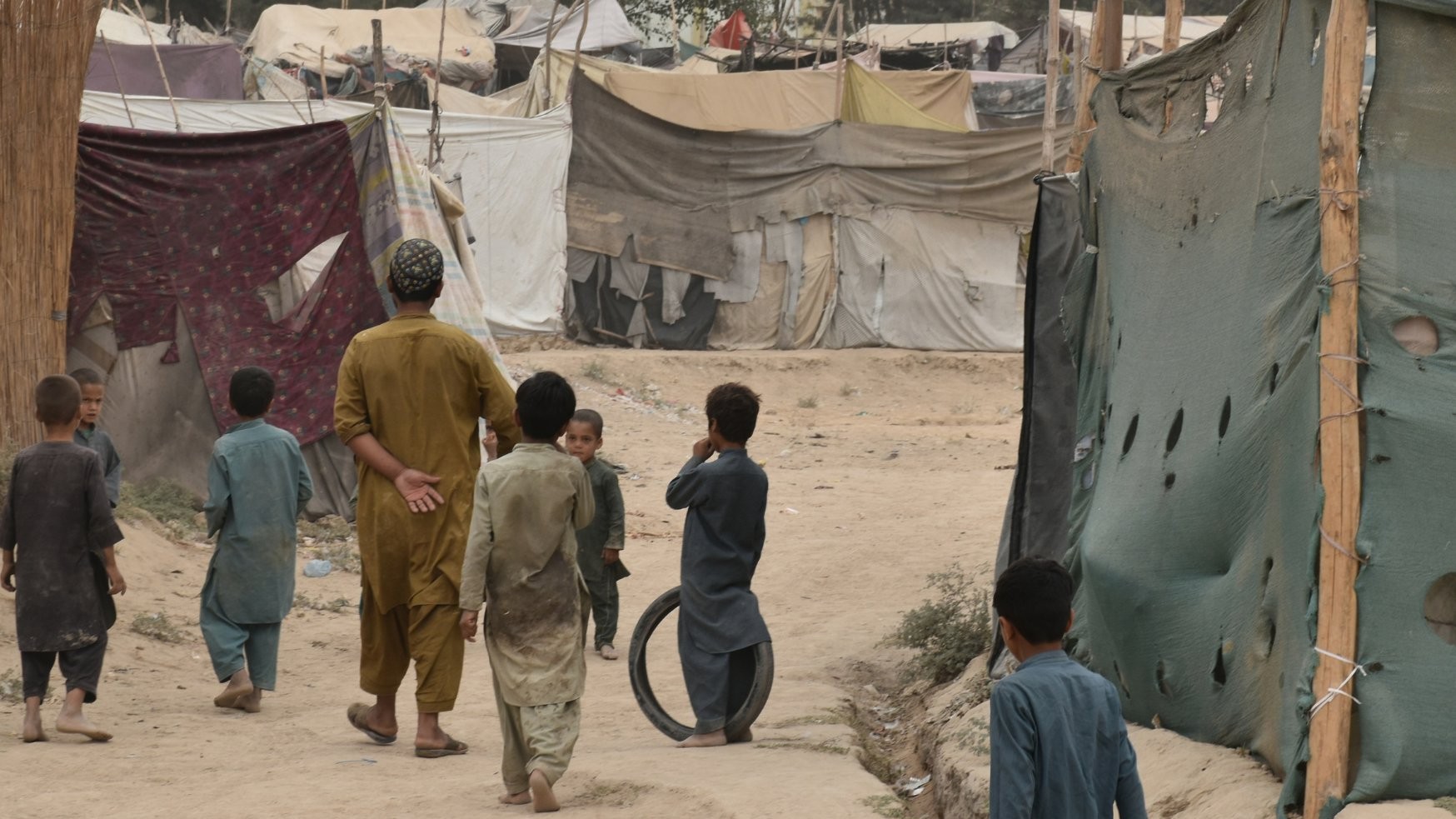
The Kabul Tribune (KT) — Thousands of vulnerable families in Afghanistan are facing harsh winter conditions, with temperatures in some areas falling to minus 25 degrees Celsius, the U.N. refugee agency warned, calling for urgent assistance to provide warm clothing, heating equipment and shelter.
Amaia Lezertua Martínez, a Spanish staff member of the United Nations High Commissioner for Refugees, described the difficulties facing families in a video released Friday from a UNHCR warehouse in Kabul. She said many people lack basic supplies to protect themselves from freezing temperatures.
“Winter here is extremely harsh. Thousands of families are facing difficult living conditions, and people are struggling every day to keep themselves warm in the extreme cold,” Martínez said.
UNHCR appealed to humanitarian organizations and donors to provide financial and material support to help vulnerable households meet their winter needs.
The warning comes as Afghanistan faces mounting humanitarian pressures, including large-scale returns from neighboring countries, widespread poverty and limited access to basic services.
The International Organization for Migration said more than 1.3 million Afghans returned from Iran and Pakistan during the first 10 months of 2026, adding pressure on communities already struggling with inadequate housing and scarce resources.
In a statement on Oct. 30, IOM warned that an $8.8 million funding shortfall in the joint winter response could leave more than 140,000 vulnerable people without essential assistance. The 2026-2027 plan aims to help nearly 200,000 people but had received only $4 million of the $12.8 million needed, the agency said.
Many returning families, internally displaced people and host communities lack safe shelter, heating fuel, blankets and warm clothing, IOM said. Heavy snowfall and deteriorating road conditions could also make it harder for aid organizations to reach remote communities.
UNHCR has estimated that 4.2 million people in Afghanistan will need shelter assistance in 2026. Nearly one-third of households assessed by the agency reported having insufficient winter clothing.
Funding shortages are also limiting support for shelter repairs, blankets, heaters and cash assistance for returning families, the agency has warned.
Children, displaced families and people returning with limited resources are particularly vulnerable as temperatures drop. U.N. agencies are urging donors to increase funding and deliver winter supplies before severe weather and snowfall further restrict access to communities in need.