The Kabul Tribune (KT) — The International Criminal Court on Monday unsealed four arrest warrants issued against senior Taliban officials over alleged crimes against humanity, including persecution of women and girls and people who do not conform to the Taliban’s policies on gender, gender identity and expression.
The ICC’s Pre-Trial Chamber II said the warrants were issued
in July and September 2025 against Taliban supreme leader Haibatullah
Akhundzada, Chief Justice Abdul Hakim Haqqani, Minister of Education Habibullah
Agha and Minister of Higher Education Neda Mohammad Nadim.
The existence of the warrants for Akhundzada and Haqqani was
made public in July 2025. The court said Monday that it had now unsealed all
four warrants.
The chamber said there were reasonable grounds to believe
the four suspects were criminally responsible for ordering, inducing or
soliciting the crime against humanity of persecution on gender grounds against
girls, women and others who did not conform to Taliban policies on gender,
gender identity or expression.
The suspects are also accused of persecution on political
grounds against people perceived as “allies of girls and women.”
According to the court, the alleged crimes were committed in
Afghanistan after the Taliban seized power on Aug. 15, 2021, and continued
through at least Jan. 20, 2025.
The judges said Taliban authorities implemented a government
policy that resulted in severe violations of fundamental rights and freedoms,
including in connection with alleged murder, imprisonment, torture, rape and
enforced disappearance.
The court said girls and women were specifically targeted
through Taliban decrees and edicts that deprived them of rights to education,
privacy and family life, as well as freedoms of movement, expression, thought,
conscience and religion.
The chamber also said other people were targeted because
their expressions of sexuality or gender identity were considered inconsistent
with Taliban policies.
In its assessment, the court said gender-based persecution
can include not only direct acts of violence but also systemic and
institutionalized forms of harm, including discriminatory societal norms.
The judges said people perceived as opposing the Taliban’s
policies, even passively or through omission, were also targeted. This included
people described by the Taliban as “allies of girls and women,” whom the court
said were viewed as political opponents.
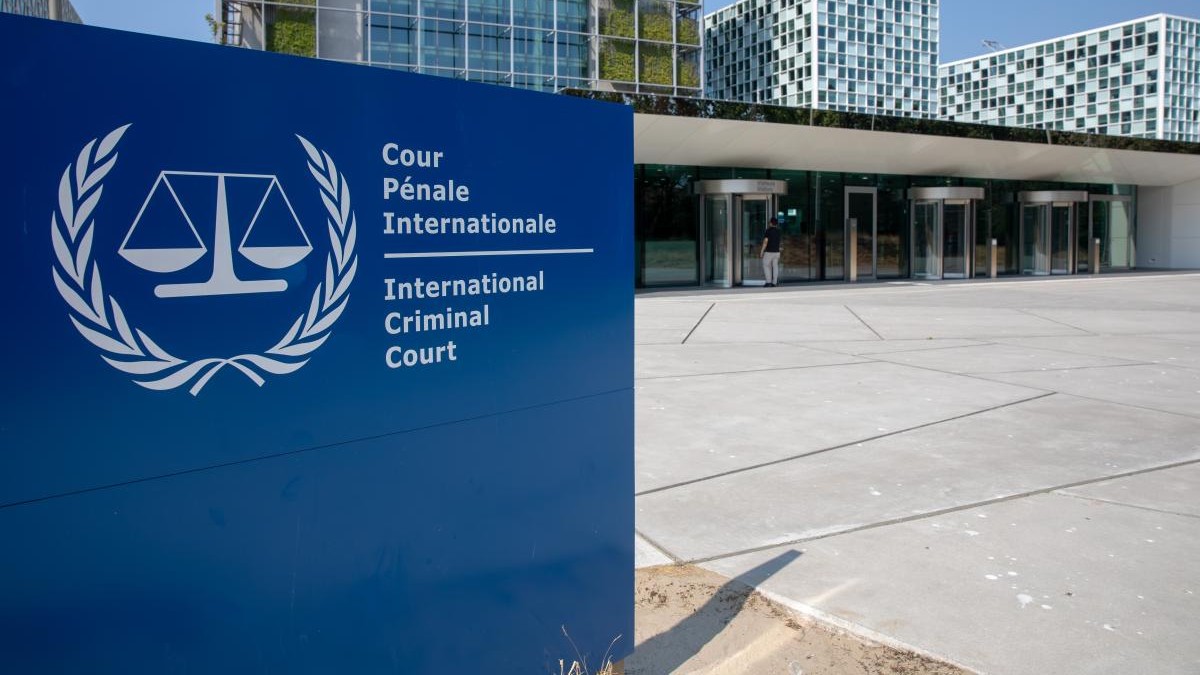
The ICC, based in The Hague, investigates and prosecutes
individuals accused of genocide, war crimes and crimes against humanity when
jurisdictional requirements are met. The court does not have its own police
force and relies on member states to make arrests.