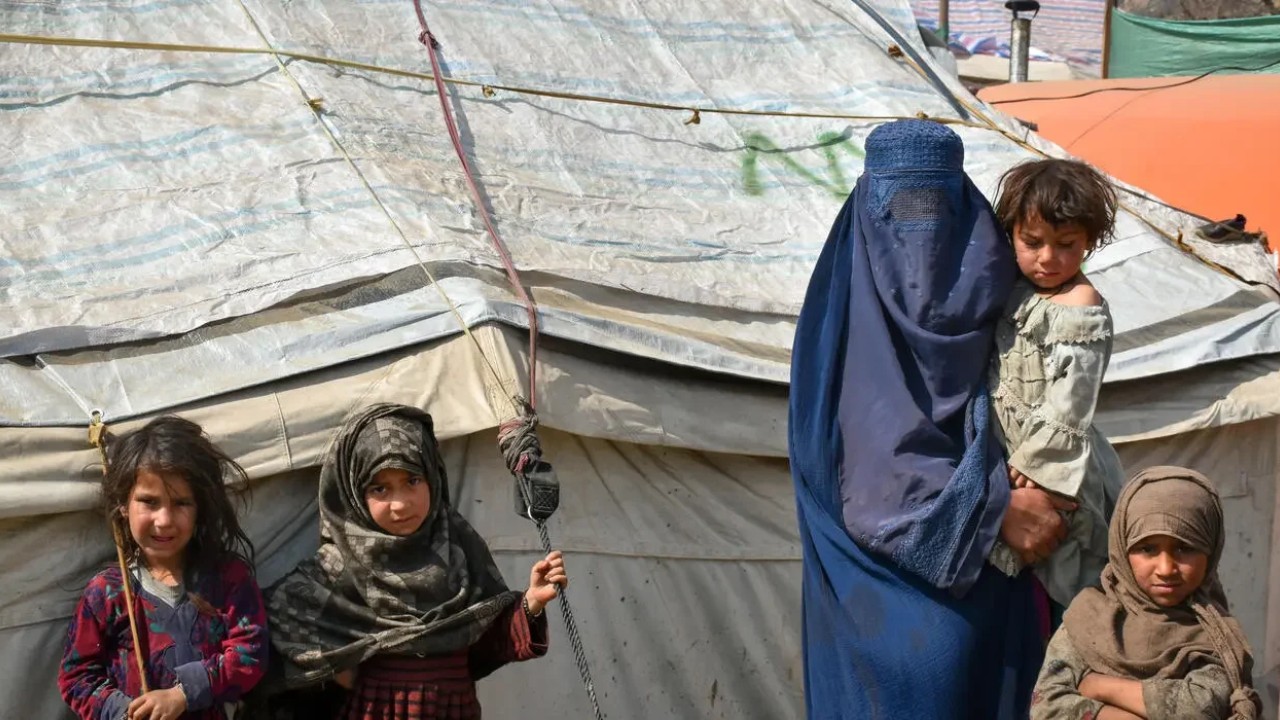
The Kabul Tribune (KT)— Humanitarian partners reached 8.3 million people in Afghanistan with at least one form of assistance from January through July 2026, but a large funding gap continues to constrain the humanitarian response, the United Nations Office for the Coordination of Humanitarian Affairs said.
Of those reached, 1.1 million people received assistance
from three or more sectors, according to OCHA.
Food assistance accounted for a large share of the response,
with 4.9 million people — 59% of those reached — receiving food aid during the
seven-month period.
OCHA said the figures reflect both the scale of acute food
insecurity in Afghanistan and the extent to which food assistance continues to
drive overall humanitarian response figures. At the same time, millions of
people require repeated and complementary assistance across multiple sectors
throughout the year, it said.
The humanitarian response received $448 million in new
funding reported through July, covering 26% of the total requirements. The
response was also supported by funds carried over from 2025.
However, $1.27 billion, or 74%, of the original $1.71
billion funding requirement remained unmet as of July, OCHA said.
The agency cautioned that funding figures may increase in
subsequent updates because some humanitarian organizations report their
contributions to the U.N. Financial Tracking Service later in the year.
Amid funding constraints, humanitarian partners plan to
focus on more integrated and cost-effective approaches, including stronger
coordination across sectors and twice-yearly analyses of funding gaps to guide
the allocation of resources.
Partners also plan to improve methods for measuring how many
people receive assistance across multiple sectors and increase transparency in
reporting. This includes breaking down food assistance by distribution rounds
to better identify people receiving repeated support and those whose needs
remain unmet, OCHA said.
OCHA said humanitarian needs remain high amid a complex
operating environment and that the ability of aid organizations to continue
delivering life-saving assistance depends on sufficient and flexible funding,
functioning financial systems, assurances for the safety of aid workers and
conditions that protect principled humanitarian action.
The agency also stressed the importance of ensuring
equitable access to assistance for women and girls and allowing Afghan women
humanitarian workers to participate safely, meaningfully and fully in the
humanitarian response.





