The Kabul Tribune (KT) — At least 161 people in Afghanistan died in cases linked to disruptions in health care following U.S. funding cuts, according to a new report by Refugees International that highlights the impact on women, children and health workers.
The report, released in August, is based on responses from
555 health workers across 30 of Afghanistan’s 34 provinces and records from
more than 320 health facilities and hospitals in six provinces. Researchers
identified 161 “high-confidence” preventable deaths, including 80 maternal
deaths, 30 newborn or fetal deaths, 14 deaths among children and 26 adult
deaths.
Refugees International stressed that the figure is not a
nationwide death toll. Researchers excluded cases that could not be verified or
might have been reported more than once, describing the 161 deaths as a
conservative minimum.
More than 40% of health workers surveyed said they
personally knew someone who had died after losing access to health care
disrupted by funding cuts. About 60% said they knew patients who had suffered
serious health consequences after clinics closed, health workers lost their
jobs or medicines became unavailable.
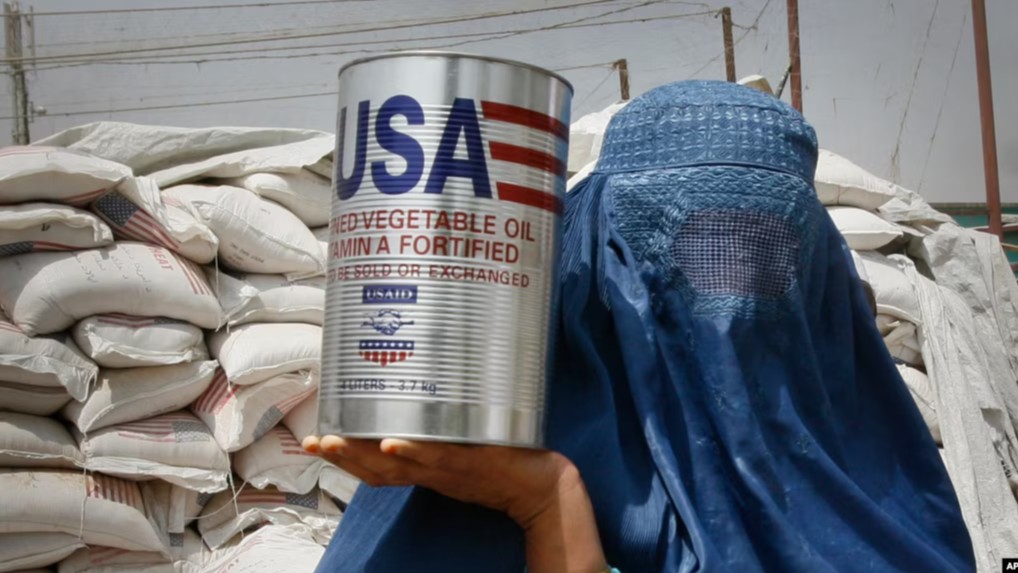
The report links the deterioration to the Trump
administration’s suspension of U.S. foreign assistance in 2025. It says more
than $1.7 billion in assistance connected to Afghanistan was terminated or
frozen, while about $736.6 million in annual U.S. humanitarian funding was
lost.
The cuts have also had a major effect on Afghanistan’s
health workforce. Of the 555 health workers surveyed, 383 were midwives, and
260 said they had lost their jobs because of the funding cuts. Among 172
respondents from other health professions, 130 reported losing their jobs.
Nearly 60% of those surveyed said their health facilities
had closed because of the funding cuts, while another 12% said their facilities
were close to shutting down.
Refugees International also reported increases in maternal
and newborn deaths at health facilities in several provinces, including
Nangarhar, Laghman, Kunar, Nuristan and Farah, despite varying changes in the
number of institutional deliveries.
Health workers interviewed for the report described women
dying from postpartum hemorrhage after blood transfusion services became
unavailable, pregnant women dying while traveling to hospitals after nearby
maternity centers closed, and newborns dying after oxygen services stopped
functioning.
The report also said restrictions imposed by the Taliban on
women and girls have already limited women’s access to health care, while the
loss of international funding has further weakened services and reduced
employment opportunities for female health workers.
Refugees International called on the United States to restore humanitarian and health funding, saying reopening closed facilities, rehiring health workers and restoring access to medicines, nutrition services, oxygen and emergency obstetric care could help prevent further deaths.