The Kabul Tribune (KT) — Afghanistan's health system faced
severe funding shortages, complex administrative approval processes and
restrictions on healthcare workers, particularly women, in 2025, the World
Health Organization said Thursday, warning that continued international support
remains critical to sustaining essential services.
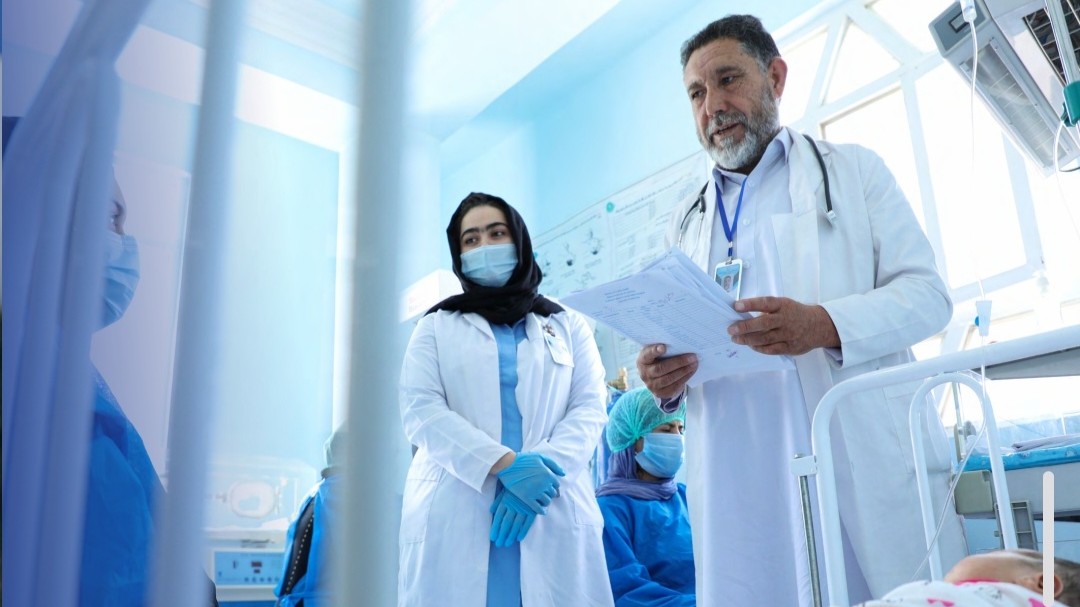
Despite the challenges, the U.N. health agency said in its
annual report that it continued providing life-saving healthcare across all 34
provinces while responding to earthquakes, an increase in returning migrants,
disease outbreaks and rising cases of malnutrition.
Maintaining primary healthcare remained the organization's
top priority, the report said. In coordination with the Taliban's Ministry of
Public Health, the WHO also began developing Afghanistan's National Health
Strategy for 2025–2030.
WHO-supported health facilities recorded more than 1.86
million outpatient visits during the year. The agency said 141 inpatient
therapeutic feeding centers treated 56,400 children suffering from severe acute
malnutrition with medical complications.
Mental health services also expanded, with the National
Mental Health Hospital and five new inpatient units in provincial hospitals
providing specialized care to more than 107,500 people, according to the
report.
At border crossings with Iran and Pakistan, more than
189,000 people, including returning migrants, received medical treatment and
emergency care.
To strengthen emergency preparedness, the WHO delivered
about 2,978 metric tons of medicines and medical supplies to 489 health
facilities across Afghanistan, providing coverage for an estimated 3.8 million
people.
The agency said its disease surveillance system detected
more than 1,800 outbreak alerts in 2025, with 98% investigated within 96 hours.
More than 10,000 diagnostic and treatment kits for diseases including acute
diarrhea, Crimean-Congo hemorrhagic fever and dengue fever were distributed,
while laboratories tested more than 8,000 samples.
The report said confirmed wild poliovirus cases fell from 25
in 2024 to 21 in 2025. More than 18 million children were vaccinated during two
nationwide and three regional polio campaigns. An additional 1.3 million
children in eastern Afghanistan received injectable polio vaccine, and 16.6
million children were immunized against measles, achieving coverage of more
than 90%.
The WHO also reported expanded screening for noncommunicable
diseases. More than 408,000 people were screened, leading to the identification
of more than 207,000 suspected cases of hypertension and nearly 39,000
suspected diabetes cases. More than 230,000 patients received a three-month
supply of medication.
In cancer care, the organization said it renovated the
National Cancer Hospital, trained 111 healthcare workers, procured more than
$500,000 worth of cancer medicines and launched cooperation with the
International Atomic Energy Agency to establish Afghanistan's first
radiotherapy services.
The WHO said Afghanistan's health system continues to depend
on sustained and predictable international funding, warning that without
continued financial support, maintaining essential healthcare services for
millions of Afghans will become increasingly difficult.