The Kabul Tribune (KT) — The Washington Times has reported that disruptions in the Strait of Hormuz have severely affected Afghanistan’s trade and humanitarian supply routes, worsening the country’s economic and aid situation.
According to the report, Afghanistan turned to Iran as an
alternative trade route after border clashes with Pakistan in late 2025 led to
the closure of key crossings and restricted access to Karachi port. Shipments
were rerouted through Iran’s Bandar Abbas port, but that route was later
disrupted due to conflict and restrictions in the Strait of Hormuz.
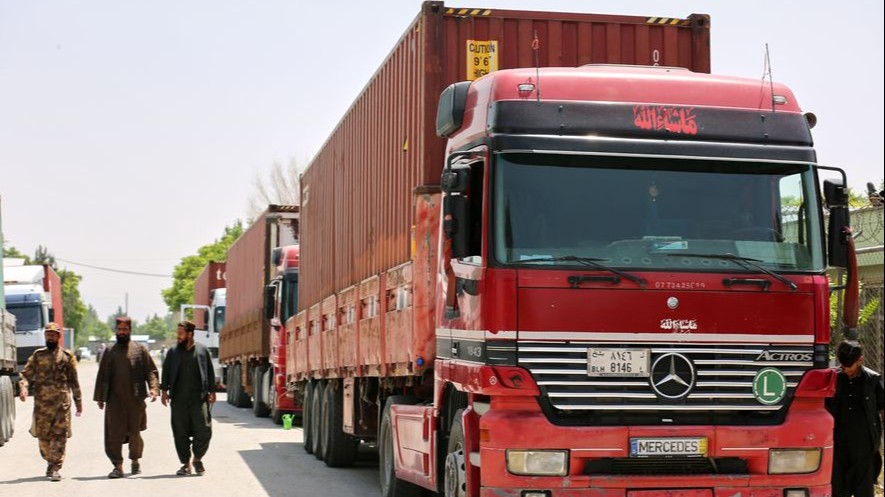
Hundreds of vessels have reportedly been stranded, while
thousands of containers destined for Afghanistan remain stuck in Pakistan,
cutting off two major supply routes.
The crisis has significantly impacted humanitarian
operations, particularly those of the World Food Programme. The agency, which
provides nutritional support to malnourished mothers and children, has faced
rising transportation costs and severe supply disruptions.
WFP said most of its supplies were previously sourced from
Pakistan. After the border closure in October 2025, shipments were rerouted
through Dubai and Iran, but that route is now effectively blocked. By mid-April
2026, critical nutritional supplies had been depleted.
“At a time when malnutrition is already at near-record
levels, weakened and desperate mothers and children are being turned away from
health clinics, as we have no food to give them,” said John Aylieff, WFP’s
country director in Afghanistan.
The agency has also faced funding shortages, receiving only
8% of its required funding this year, further compounding the crisis.
With maritime routes blocked, supplies are now being
transported overland through Central Asia, significantly increasing both costs
and delivery times. One shipment of fortified biscuits, initially routed
through the United Arab Emirates, has taken an extended route through Saudi
Arabia, Jordan, Syria, Turkey, Georgia, Azerbaijan, and across the Caspian Sea
into Turkmenistan, remaining in transit for three months.
Afghan traders say the situation has severely affected their
businesses. Lutfullah Akbari, a Kabul-based importer, said his goods from China
are stuck on ships unable to pass through the Strait of Hormuz, while
transportation costs have sharply increased.
“The Iran-U.S. war has had a huge impact on my business,” he
said, adding that he may abandon his cargo if the situation continues.
Logistics companies have also reported steep cost increases.
Gul Meer Amini, a freight company director, said container rental prices have
risen from about $3,000–$3,600 to more than $7,000, and in some cases exceeding
$11,000.
Similarly, Kabul-based electronics trader Mohammad Murtaza
Ishaqzai said delivery costs for goods from China via Iran have surged from
about $1,100–$1,500 to more than $15,000.
“We can’t export and we can’t import,” he said, urging the
Taliban to resolve tensions with Pakistan to allow border trade to resume.
Taliban officials, however, say overall inflation has
remained relatively low, at around 3%, due to continued trade through Central
Asia, Russia, and China. Abdul Salam Jawad, a Taliban Commerce Ministry
spokesperson, said the main challenge remains restrictions on goods transiting
through Iran.
Business leaders estimate that more than 60% of
Afghanistan’s trade is now conducted through Central Asia, helping to partially
offset the disruption caused by the Strait of Hormuz crisis.