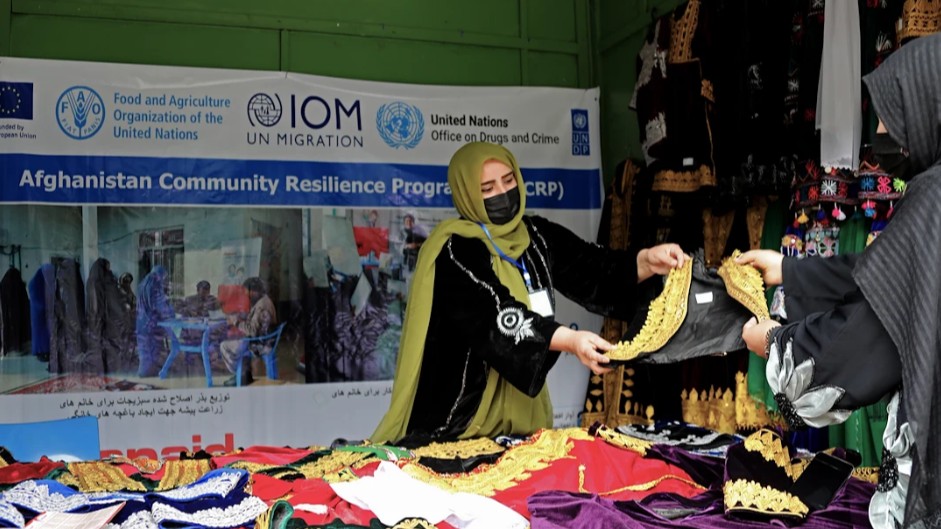
Experts warn weaponization of water treaties after Pahalgam attack threatens to unravel regional water diplomacy, drawing in Afghanistan and Iran into a widening hydropolitical crisis.
In a move with seismic implications for South Asian
stability, India’s decision to suspend the Indus Waters Treaty (IWT) following
the Pahalgam attack has done more than escalate tensions with Pakistan. It has
thrown a fragile ecosystem of transboundary water agreements into peril,
threatening to turn life-giving rivers into tools of conflict and setting a
dangerous precedent for non-traditional security responses across the region.
The 1960 IWT, long hailed as a rare diplomatic success
between the nuclear-armed rivals, is now in abeyance. While New Delhi frames
this as a necessary security response and a chance to renegotiate outdated
terms, the unilateral suspension sends a chilling message: water, the region's
most vital shared resource, is now a weapon on the bargaining table.
"This isn't just an India-Pakistan issue anymore,"
explained Dr. Anjali Verma, a senior fellow at the Institute for Water
Security. "By weaponizing the IWT, India has effectively declared that
hydrological control is a legitimate instrument of coercive diplomacy. This
logic is contagious in a basin as interconnected and stressed as South Asia's."
The contagion is already spreading. The crisis amplifies
long-simmering disputes across the region: the uncertainty around the expiring
Ganges Treaty with Bangladesh, the frozen Teesta River deal, China’s massive
dams on the Yarlung Zangbo (Brahmaputra), and Iran’s bitter disputes with
Afghanistan over the Helmand River waters. Together, they paint a picture of a
regional order crumbling under combined hydrological and political stress.
Afghanistan: The New Front in the Water Wars
Most alarmingly, India’s suspension of the IWT has
dovetailed with its strategic outreach to Afghanistan’s Taliban regime,
directly inserting a new upper-riparian player into the fray. Following
high-level talks, Kabul has announced, with vocal Indian support, plans for a
major hydroelectric dam on the Kunar River, a critical tributary that feeds
Pakistan’s Indus system.
Pakistan, which has no water-sharing agreement with
Afghanistan despite nine shared river basins, views this as an existential
threat. Defence Minister Khawaja Asif has warned the Taliban, stating Kabul
“cannot disregard Pakistan’s water rights,” and hinted at "pressure
tools." This new India-Afghanistan axis on water infrastructure has
effectively opened a second hydrological front against Pakistan, dramatically
raising the stakes.
A Region Parched and on Edge
The political maneuvering unfolds against a backdrop of
severe climate-induced distress. Afghanistan is gripped by one of its worst
droughts in decades, devastating farmlands and compounding a dire humanitarian
crisis. In Kabul, residents in districts like District 5 report wells running
dry and sporadic government water supply. Iran, downstream from Afghanistan, is
in a vehement dispute with the Taliban, accusing it of blocking water flow from
the Helmand River and pleading for releases to address critical shortages in
cities like Mashhad.
"This is the tragic irony," said climate security
analyst Mark Chen. "While governments jockey for strategic advantage using
water, their own populations are suffering acute scarcity. The politics of
control are completely divorced from the reality of climate change, which is
melting Himalayan glaciers and creating erratic monsoons that will make
cooperation more essential than ever."
A Fractured Future
The unilateral suspension of the IWT now threatens to become
a blueprint. If treaties can be set aside for security grievances, what stops
China from acting unilaterally on the Brahmaputra, or Iran taking stronger
action against Afghanistan? The precedent undermines the very foundation of
water diplomacy—the painstaking building of trust through institutional
mechanisms and dialogue, as seen in the Lancang-Mekong cooperation.
The weakening of water diplomacy in South Asia, analysts
conclude, is no longer just a regional threat. In a world facing a climate
crisis, the collapse of cooperative water management in one of the planet's
most populous and vulnerable regions endangers global climate security. The
future of South Asia’s rivers now hangs not on engineering alone, but on a rapidly
diminishing political imagination—the ability to see water as a shared lifeline
rather than the next casus belli.
Jill Andrious is an experienced analyst and commentator on
South Asia and the Middle East. The views expressed in this article are solely
those of the author and do not necessarily reflect the editorial stance of The
Kabul Tribune.
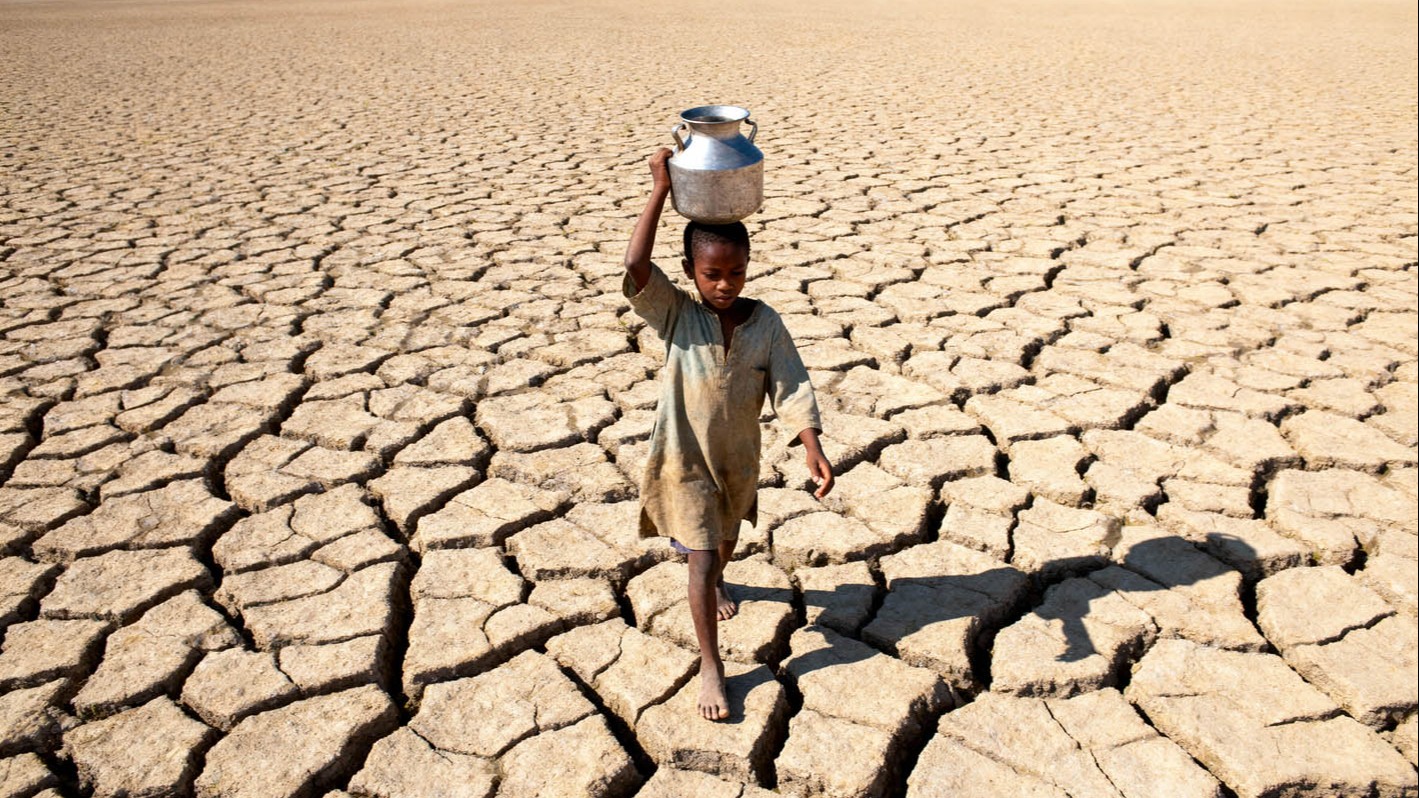
Experts warn weaponization of water treaties after Pahalgam attack threatens to unravel regional water diplomacy, drawing in Afghanistan and Iran into a widening hydropolitical crisis.
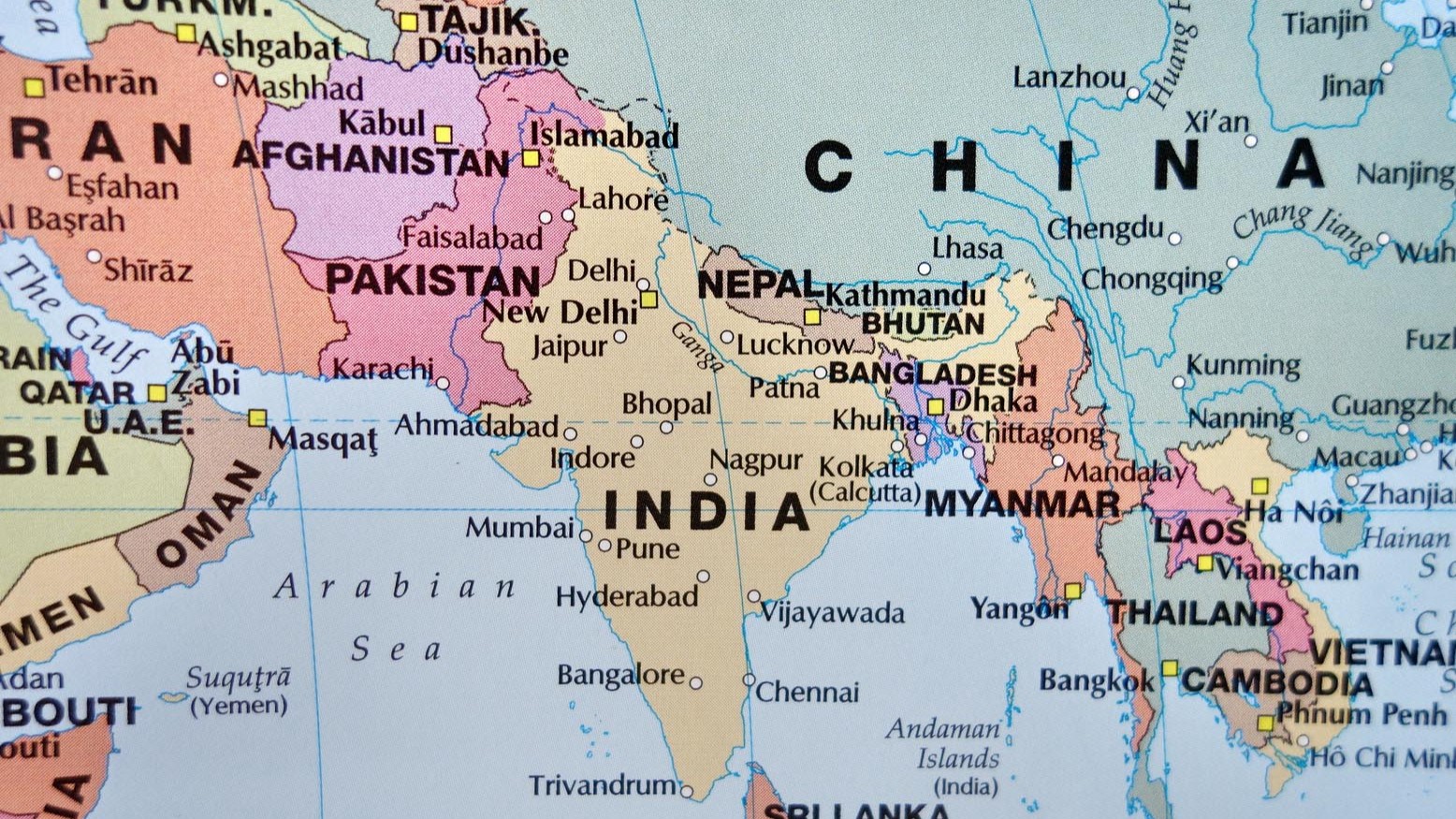
In a move with seismic implications for South Asian stability, India’s decision to suspend the Indus Waters Treaty (IWT) following the Pahalgam attack has done more than escalate tensions with Pakistan.
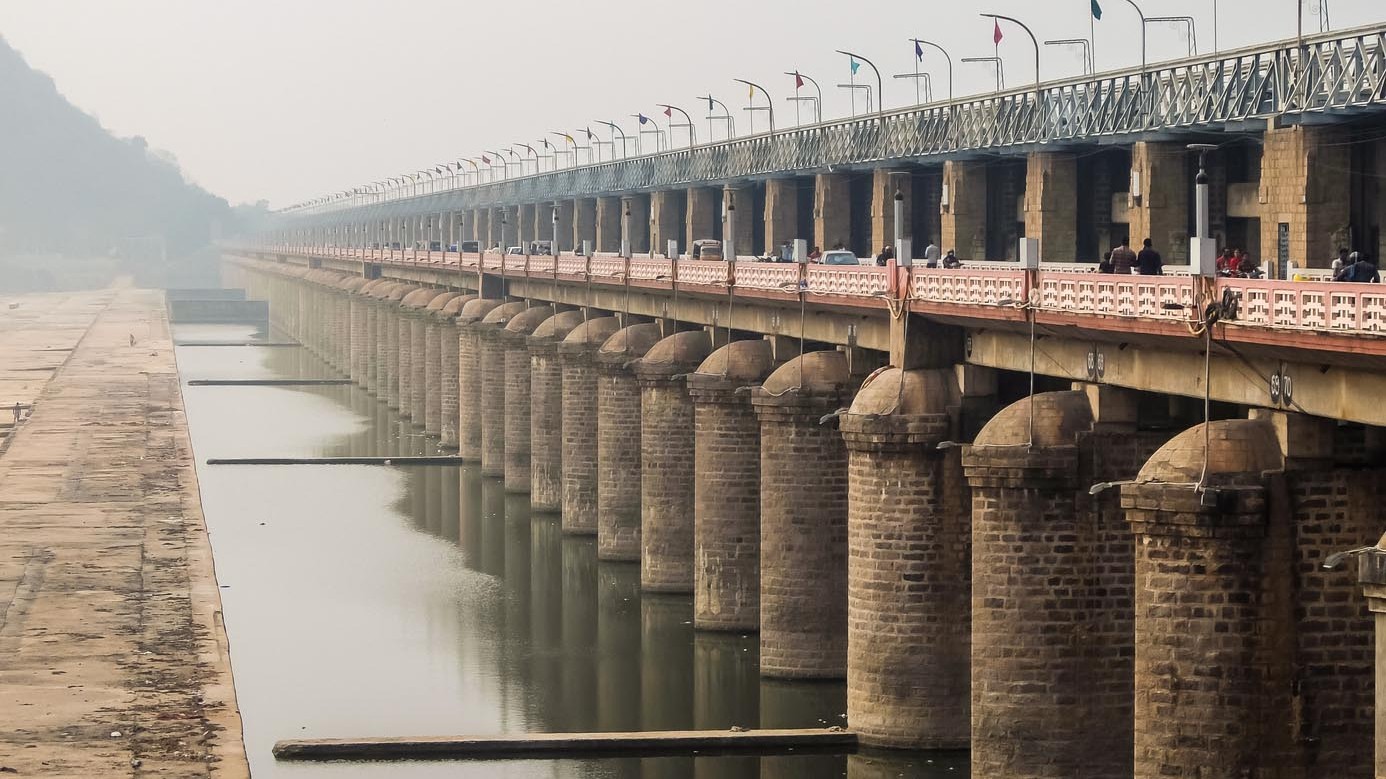
he weakening of water diplomacy in South Asia, analysts conclude, is no longer just a regional threat. In a world facing a climate crisis, the collapse of cooperative water management in one of the planet's most populous and vulnerable regions endangers global climate security.