The Kabul Tribune (KT) — Flash floods triggered by heavy rainfall in eastern Afghanistan have killed at least 23 people, injured 15 others and caused widespread destruction across Nuristan, Nangarhar and Laghman provinces, with search-and-rescue operations still underway, according to the U.N. Office for the Coordination of Humanitarian Affairs (OCHA)
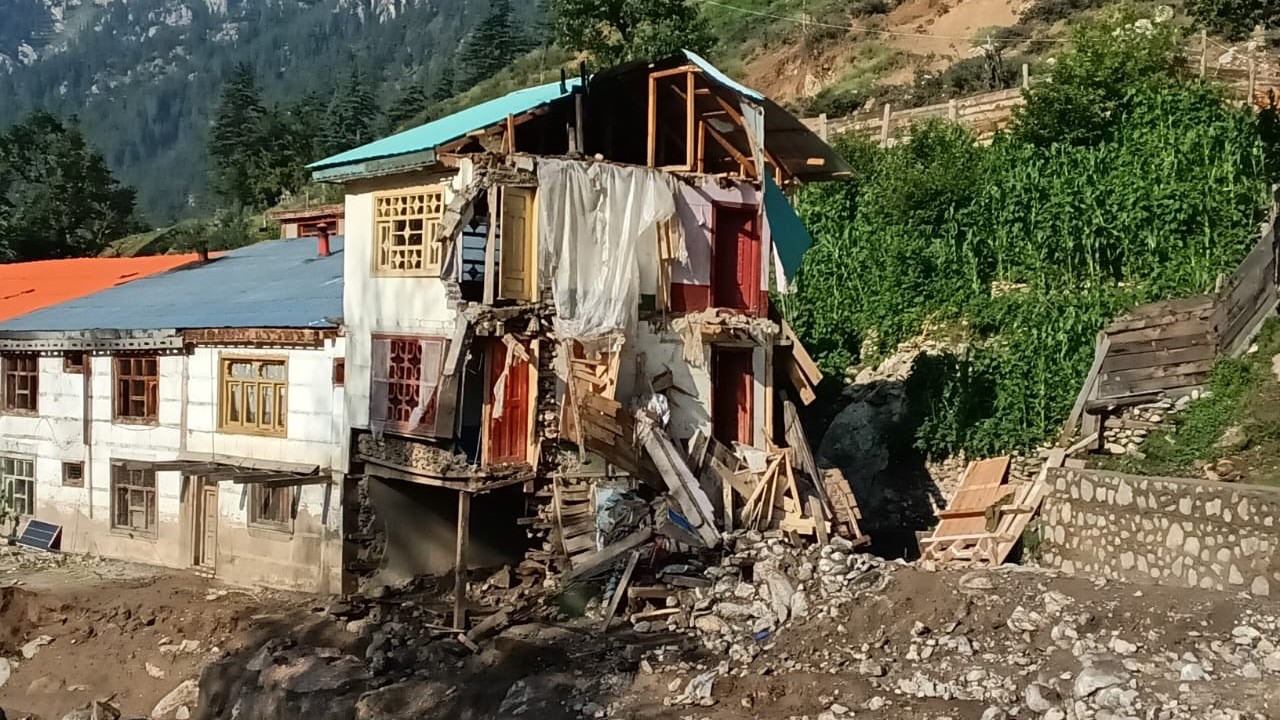
According to OCHA, the heaviest damage occurred in Parun,
the capital of Nuristan province, after a sudden flash flood struck at around 3
p.m. on July 20. Authorities said additional people remain missing, and the
casualty toll could change as rescue operations continue.
Preliminary assessments indicate that at least 22 homes were
destroyed and about 45 others were severely damaged. The flooding also damaged five
markets, around 70 local shops, four bridges, six road sections, 400 meters of
flood protection walls, and 450 meters of irrigation canals. Approximately 10
hectares (50 jeribs) of agricultural land were affected.
OCHA said damage to the local water supply network has left
approximately 1,000 families without reliable access to safe drinking water.
The floods also damaged or destroyed 25 vehicles, two carpentry workshops, one
mosque and one private health clinic.
In Torkham, Nangarhar province, flash floods reportedly
killed three Afghan refugees and injured nine others at a returnee transit camp
on the Pakistani side of the border. The flooding also temporarily disrupted
traffic through the Torkham border crossing and damaged shops and livelihood
facilities at Zero Point.
In Alingar district of Laghman province, flooding damaged
agricultural land and irrigation systems, although no residential houses had
been reported damaged as of the latest assessment.
OCHA said humanitarian organizations, U.N. agencies and
Taliban authorities are providing emergency assistance, including mobile health
services, food, medical supplies and nutrition support. Immediate priorities
include emergency shelter, food assistance, safe drinking water, health
services, non-food items, mental health and psychosocial support, as well as
comprehensive multi-sector needs assessments.
The agency said response efforts continue to face
significant challenges because of difficult terrain, damaged roads and limited
access to remote communities, particularly in Nuristan. Additional assessments
are underway to determine the full extent of the disaster and identify the most
urgent humanitarian needs.
OCHA added that inter-agency assessment teams have been
deployed to the affected areas while humanitarian partners continue
coordinating with disaster management authorities, local officials and affected
communities to expand relief efforts and monitor the risk of further flooding.