The Kabul Tribune (KT) — Reuters has reported that Iran expanded its attacks on U.S. military facilities across Gulf states and warned of further incidents in the Strait of Hormuz, as U.S. and Iranian forces exchanged heavy missile and drone strikes in the latest escalation of the conflict.
According to Reuters, Iran's Islamic Revolutionary Guard
Corps (IRGC) said on Monday that it targeted U.S. military facilities in
Bahrain and Kuwait, destroyed radar systems in Oman, and struck fuel tanks and
ammunition depots at Jordan's Prince Hassan Air Base in response to another
wave of U.S. strikes.
The attacks marked an escalation in both pace and geographic
range as Iran sought to assert greater control over shipping through the Strait
of Hormuz, Reuters reported.
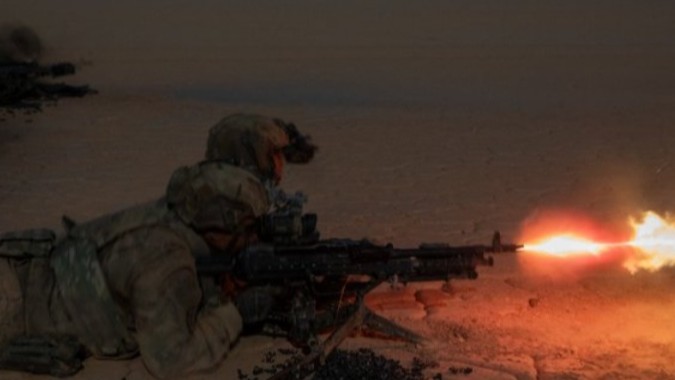
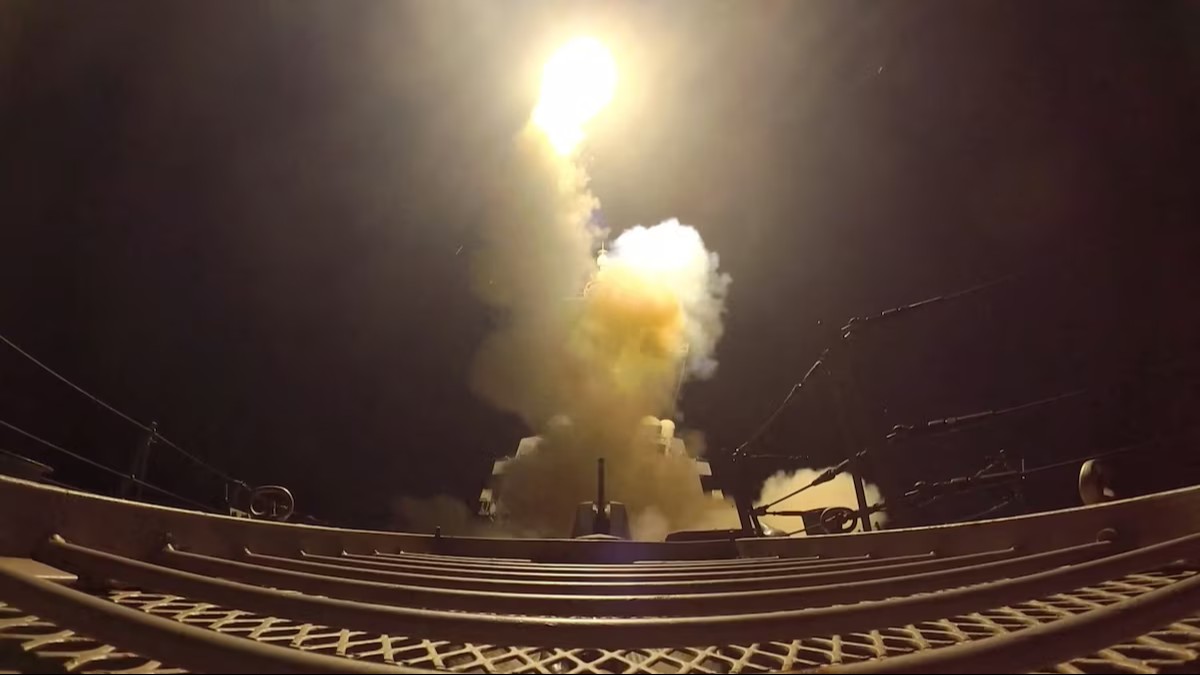
The U.S. military said it had struck Iranian air-defense
systems, coastal radar sites, missile and drone capabilities, and small boats
during operations carried out on Sunday using aircraft, naval vessels, and
drones.
Reuters reported that the renewed violence has further
undermined an interim agreement reached between Washington and Tehran last
month, which had aimed to reopen the Strait of Hormuz and end the war after an
additional 60 days of negotiations.
In a brief telephone interview with Reuters on Sunday, U.S.
President Donald Trump referred to the weekend strikes on Iran and said,
"We're beating them up."
Trump has said in recent days that he considers the
ceasefire effectively over, while also leaving open the possibility of further
negotiations.
Iran's top negotiator, Mohammad Baqer Qalibaf, wrote on X on
Sunday: "The era of one-sided deals is OVER. We told you: keep your word
or pay the price. Reality is knocking."
Reuters reported that the conflict, which began after the
United States and Israel launched military operations against Iran on February
28, has destabilized the Gulf region. Iran has since targeted U.S. bases in
several neighboring countries, while its effective blockade of the Strait of
Hormuz has pushed energy prices higher and contributed to global inflation
concerns.
The IRGC said the only way to restore normal shipping
traffic through the strait was to end U.S. military interventions in the
waterway. It warned that continued interference could lead to "greater
incidents in the global oil and gas sector."
Brent crude oil rose 4.3 percent on Monday to $79.31 per
barrel, although prices remained below earlier peaks reached during the
conflict, Reuters reported.
U.S. officials said approximately 20 vessels had been
escorted through the Strait of Hormuz during the previous 24 hours, though
ship-tracking data showed limited commercial traffic moving through the
waterway.
Reuters also reported that Iran has sought to establish a
permanent system for collecting fees from vessels transiting the strait, which
before the war carried about one-fifth of the world's oil and liquefied natural
gas shipments. Tehran has warned ships not to sail without its authorization.
Iran said late Saturday that it had closed the waterway
after firing a warning shot that struck a vessel traveling on what it described
as an unauthorized route. On Sunday, it said it had disabled a second vessel.