The Kabul Tribune (KT) — About 3.7 million children under
the age of 5 in Afghanistan face an increased risk of malnutrition as worsening
food and nutrition insecurity threatens to deepen the country's child health
crisis ahead of the annual peak wasting season, UNICEF said Sunday.
In a report titled Too Little, Too Late: The Diet Crisis
Facing Young Children in Afghanistan, the U.N. children's agency said
deteriorating access to nutritious food is one of the main drivers of
undernutrition and called for urgent action to prevent conditions from
worsening.
For the first time, UNICEF measured child malnutrition
alongside the lived experience of food and nutrition insecurity among the same
group of children across all 34 Afghan provinces. The assessment found warning
signs including reduced dietary diversity, skipped meals, children eating less
than they need and episodes of hunger.
The report comes as Afghanistan enters its peak wasting
season between July and September. According to Nutrition Cluster data cited by
UNICEF, wasting has worsened in 26 of the country's 34 provinces compared with
2025, indicating an earlier and more severe crisis than previously expected.
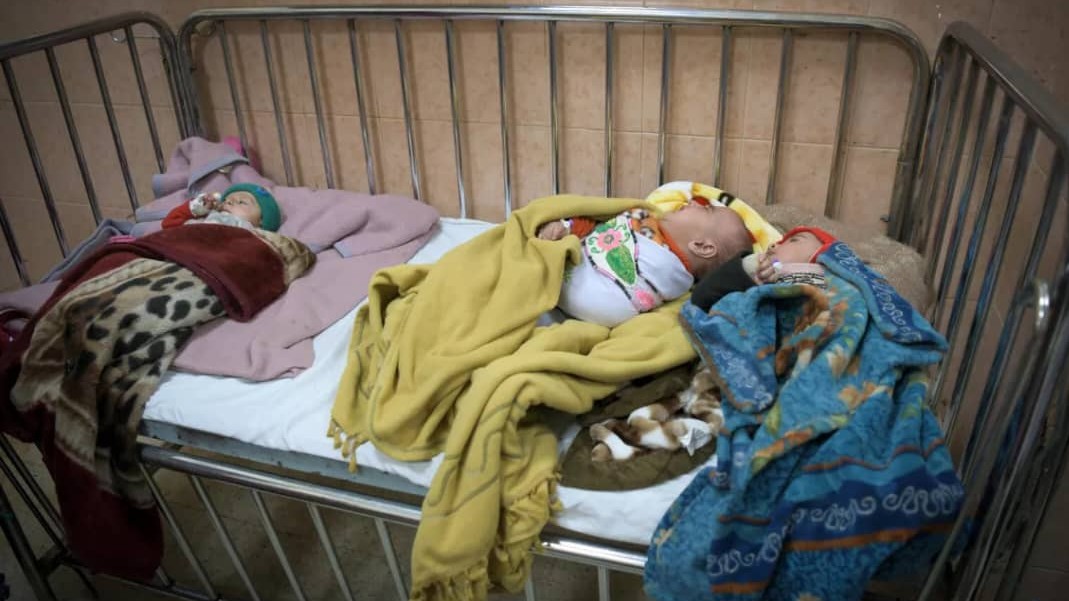
Children younger than 2 account for the vast majority of
severe cases, making up 83% of severe acute malnutrition cases and 77% of
moderate acute malnutrition cases, the report said.
"Young children in Afghanistan are being pushed closer
to malnutrition before the peak season has even begun," UNICEF
Representative in Afghanistan Dr. Tajudeen Oyewale said.
UNICEF said the worsening crisis is being driven by poor
diets, increasing food insecurity, disease outbreaks, low immunization
coverage, inadequate water, sanitation and hygiene services, and growing
funding and supply shortages.
Children living in severely food-insecure households are up
to six times more likely to suffer from wasting during peak malnutrition
periods, the agency said. Wasting is a severe form of malnutrition in which
children become dangerously thin for their height because of inadequate food
intake, illness or both.
UNICEF called for urgent investment to expand preventive
nutrition programs, including its First Foods Initiative for children ages 6 to
23 months, while strengthening health, nutrition, water and sanitation,
education and social protection services.
The agency said the opportunity to prevent more children
from becoming severely malnourished is rapidly narrowing and appealed for
flexible funding to reach vulnerable families before food insecurity escalates
into a life-threatening emergency.