The U.N. agency warned that large-scale returns of Afghans,
border closures with Pakistan and the spillover effects of the conflict in the
Middle East are placing unprecedented strain on the country’s fragile economy
and food system.
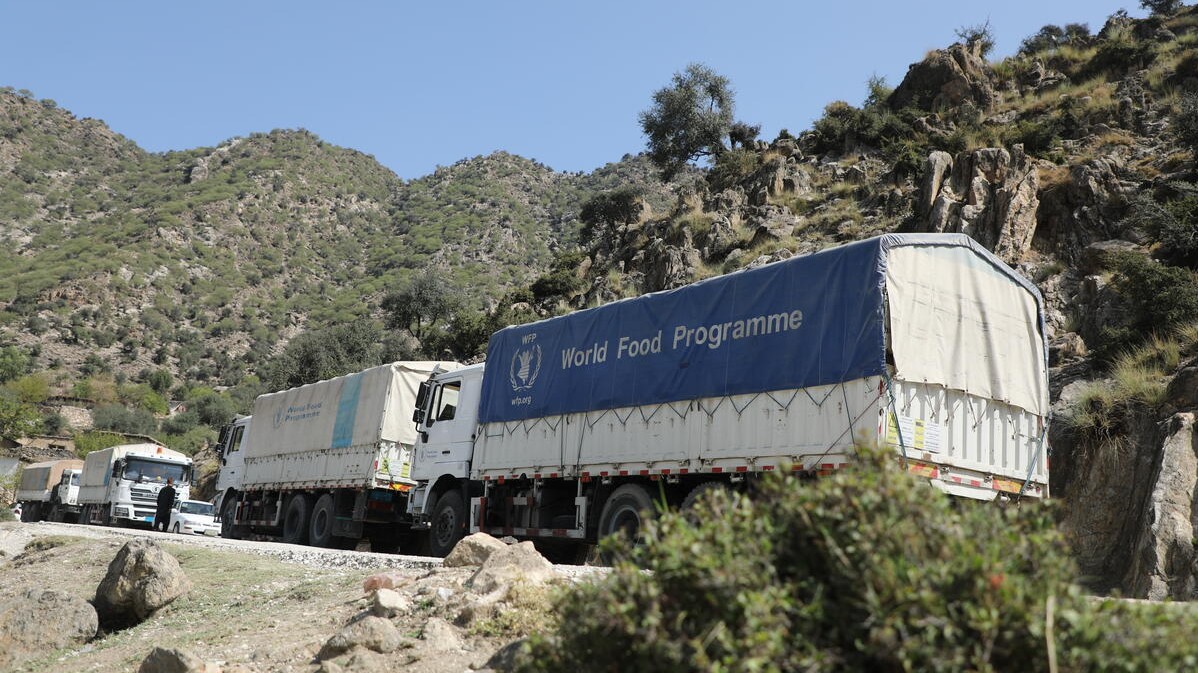
Although traders have shifted supply routes, with about 60%
of trade volume now passing through Iran, transportation and import costs have
increased, contributing to higher prices for food, fuel and fertilizer,
according to the WFP.
Between October 2025 and April 2026, the cost of a basic
food basket increased by 10%, while the share of households with acceptable
food consumption dropped from 28% to 20%, the agency said.
Livelihoods are deteriorating rapidly, with 72% of
households reporting declining incomes and 57% resorting to crisis-level coping
strategies, such as reducing meals, selling productive assets or taking on
debt.
The WFP said the combination of trade disruptions, shrinking
incomes and limited humanitarian funding is driving what it described as the
highest surge in acute malnutrition ever recorded in Afghanistan.
An estimated 3.7 million children are expected to suffer
from wasting — the deadliest form of acute malnutrition — in 2026, according to
the agency.
The WFP warned that conditions could worsen significantly if
the Pakistan border remains closed and the crisis in the Middle East escalates
further. Under that scenario, an additional 2.3 million people could become
food insecure within six months, on top of the current estimate of 13.8 million
people already facing hunger.
The agency called for sustained humanitarian support to help
prevent further deterioration in food security and nutrition across
Afghanistan.